FREE Dispatch Fee on Any Drain Call




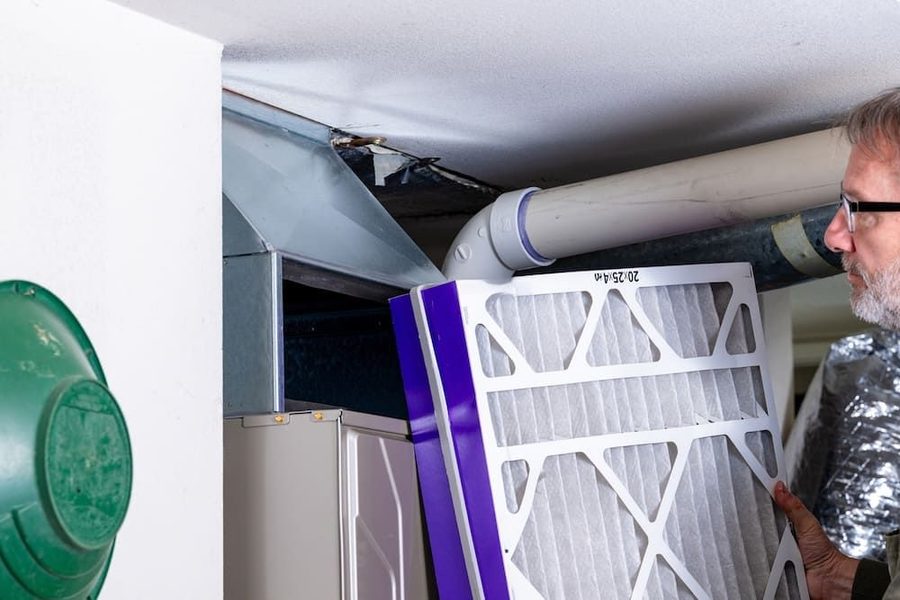
As temperatures drop across Denver, furnaces begin working more regularly after spending much of the warmer season on standby. Before you rely on your heating system every day, one of the simplest things you can check is also one of the easiest to overlook: the furnace filter.
A dirty or overly restrictive HVAC filter can reduce airflow and potentially affect heating performance, comfort, and furnace operation. Checking your filter in the fall and continuing to monitor it throughout heating season can help your HVAC system move air properly when you need heat the most.
Why Does Your Furnace Filter Matter During Heating Season?
Your furnace filter captures airborne particles before they travel through the HVAC system. When the filter becomes excessively dirty, it can restrict airflow, potentially making it harder for your furnace to distribute heated air and contributing to performance problems.
Even if you have not used your furnace for months, your filter may not be clean. In many central HVAC systems, the heating and cooling equipment share the same ductwork, blower, and filter. That means a filter can collect debris throughout Denver’s cooling season before the furnace ever turns on.
Check Your Filter Before You Turn Up the Heat
Fall is a convenient time to inspect your HVAC filter.
If your air conditioner ran throughout the summer, the filter may already contain dust and other particles. Do not assume it is ready for another season simply because you are switching from cooling to heating.
When inspecting an accessible filter, look for significant debris accumulation, damage, moisture, or material packed between the pleats. If replacement is appropriate, use a filter compatible with your HVAC equipment.
Checking the filter early can also help establish a routine for monitoring it as furnace use increases.
What Does a Dirty Furnace Filter Look Like?
Filter appearance varies based on the type of filter and conditions inside the home. In general, warning signs can include:
-
Heavy visible dust or debris
-
Material packed between filter pleats
-
A filter that appears substantially loaded compared with a new one
-
Physical damage
-
A filter that is damp or deformed
Color alone is not always a reliable indicator because filter materials differ.
If a filter is wet, investigate why rather than simply installing another filter and ignoring the moisture.
How Can a Dirty Filter Affect Your Furnace?
Your furnace needs adequate airflow to operate properly and distribute heated air throughout the house.
When a filter becomes excessively clogged, airflow restriction can potentially contribute to:
-
Weak airflow from supply vents
-
Longer heating cycles
-
Difficulty maintaining the thermostat setting
-
Reduced comfort
-
Increased strain on system components
-
Overheating and safety-limit shutdowns in some furnaces
A dirty filter is not the only possible cause of these symptoms. Blower problems, duct restrictions, equipment issues, blocked returns, and other conditions can produce similar problems.
If replacing a heavily loaded filter does not improve performance, the heating system may need professional diagnosis.
Can a Dirty Furnace Filter Increase Heating Costs?
Excessive airflow restriction can interfere with normal HVAC operation. If your heating system runs longer or less effectively as a result, energy consumption may be affected.
However, replacing a dirty filter does not guarantee a specific reduction in your heating bill.
Energy use in a Denver home depends on many factors, including:
-
Outdoor temperatures
-
Thermostat settings
-
Furnace efficiency
-
Home insulation and air sealing
-
Ductwork
-
Equipment condition
-
Household habits
-
Local energy rates
Think of filter replacement as an important part of maintaining proper HVAC operation rather than a guaranteed way to achieve a specific amount of energy savings.
How Often Should Denver Homeowners Change Furnace Filters?
There is no universal filter replacement schedule that works for every Denver home.
How quickly a filter becomes loaded depends on factors such as:
-
Filter type and thickness
-
HVAC runtime
-
Manufacturer recommendations
-
Household activity
-
Pets
-
Remodeling or construction
-
Indoor air conditions
Instead of relying exclusively on a generic 30-, 60-, or 90-day rule, inspect the filter regularly and follow the recommendations for your equipment and filter.
During periods when your furnace operates frequently, checking the filter more often can help you identify excessive buildup before airflow becomes significantly restricted.
Does Denver’s Climate Affect Furnace Filter Maintenance?
Denver’s changing seasons can influence how much your HVAC system operates and what enters the home.
During colder stretches, increased furnace runtime means more air passes through the HVAC filter. Dust, household activity, outdoor air conditions, and occasional smoke or other airborne particles can also affect how quickly a filter loads.
That does not mean every Denver homeowner needs to replace a filter on the same schedule. Your filter’s actual condition and your HVAC equipment requirements are more useful guides.
Does a Higher MERV Rating Mean a Better Furnace Filter?
Not necessarily.
MERV, or Minimum Efficiency Reporting Value, describes a filter’s ability to capture particles within certain size ranges. Higher-rated filters can capture smaller particles, but choosing the highest MERV rating available is not automatically the best decision for every furnace.
Filters also create resistance to airflow. Your HVAC system must be able to accommodate the filter you select.
Using a filter that is too restrictive for the equipment can potentially contribute to airflow problems. Check your furnace or HVAC manufacturer’s guidance, and ask an HVAC professional if you are unsure which filter is appropriate.
Make Sure Your New Filter Is Installed Correctly
Choosing the right filter is only half the job.
Before installing a replacement:
-
Confirm the correct dimensions
-
Check the airflow-direction arrow
-
Install the filter in the correct orientation
-
Make sure it fits properly without forcing it
-
Do not stack multiple filters unless the system is specifically designed for that configuration
An incorrectly sized or installed filter may not perform as intended.
Can Changing the Filter Fix Weak Airflow?
If a severely clogged filter is restricting airflow, replacing it may improve the situation.
If airflow remains weak with a clean, properly installed filter, another problem may be responsible.
Possible causes can include blower issues, duct restrictions, duct leakage, blocked return grilles, closed supply vents, or other HVAC problems.
Keep furniture, rugs, and household objects away from supply vents and return grilles. Avoid closing multiple vents in an attempt to redirect heat unless your HVAC system is specifically designed for that type of zoning.
What if Your Furnace Keeps Shutting Off?
Checking the filter is a reasonable first step when a furnace repeatedly shuts down.
In some furnaces, severe airflow restriction can contribute to excessive internal temperatures. Safety controls may then shut down heating operation.
Repeated shutdowns should not simply be ignored or addressed by repeatedly resetting equipment. If the furnace continues cycling abnormally after basic filter and airflow checks, schedule professional service.
What Else Should You Check Before Denver’s Heating Season?
Your furnace filter is only one part of fall HVAC preparation.
Before colder weather settles in:
-
Test your furnace before the first very cold day
-
Confirm the thermostat responds correctly
-
Keep supply vents and returns unobstructed
-
Listen for unusual noises
-
Pay attention to persistent burning or electrical odors
-
Check carbon monoxide alarms according to manufacturer instructions
A brief dusty smell when a furnace first operates after months of inactivity can sometimes occur. Persistent burning, electrical, or unusual odors deserve attention.
Furnace Filter Replacement Does Not Replace Furnace Maintenance
Changing an HVAC filter is a basic homeowner maintenance task, but it is not the same as professional furnace maintenance.
An HVAC technician can evaluate system operation and applicable electrical, safety, airflow, and combustion-related components that homeowners should not attempt to service themselves.
If your furnace struggles to heat the home, repeatedly shuts down, produces unusual noises or odors, or continues having weak airflow with a clean filter, professional service can help identify the cause.
Get Ready for Heating Season With Heart
Checking your furnace filter is a simple way to prepare for Denver’s colder months. The right filter, installed correctly and replaced when appropriate, can help support proper airflow and reliable HVAC operation.
Heart Heating, Cooling, Plumbing & Electric can help Denver-area homeowners prepare their heating systems for fall and winter. Contact Heart for professional furnace maintenance or heating repair before colder weather arrives.
Get In Touch With Heart Heating, Cooling, Plumbing, Electric
Full Service Home Comfort
Heating, cooling, plumbing, and electrical services come together to support comfort, safety, and reliability throughout your home. From routine care to repairs and system upgrades, each service is handled with attention to detail and a focus on long term performance. Trusted solutions help keep everything running smoothly through every season.