FREE Dispatch Fee on Any Drain Call


Electrical Switch & Outlet Installation in Metro Denver


Heart Heating, Cooling, Plumbing & Electric provides electrical outlet repair, outlet replacement, switch repair, and new device installation throughout Metro Denver. As part of our complete residential electrical services, our licensed electricians troubleshoot the circuit, inspect the connections, and determine whether the issue is limited to the device or involves the wiring that supplies it.
From replacing a damaged receptacle to adding outlets during a renovation, we complete switch and outlet work with the home’s wiring, circuit capacity, and intended use in mind.
Electrical Outlet Repair in Metro Denver
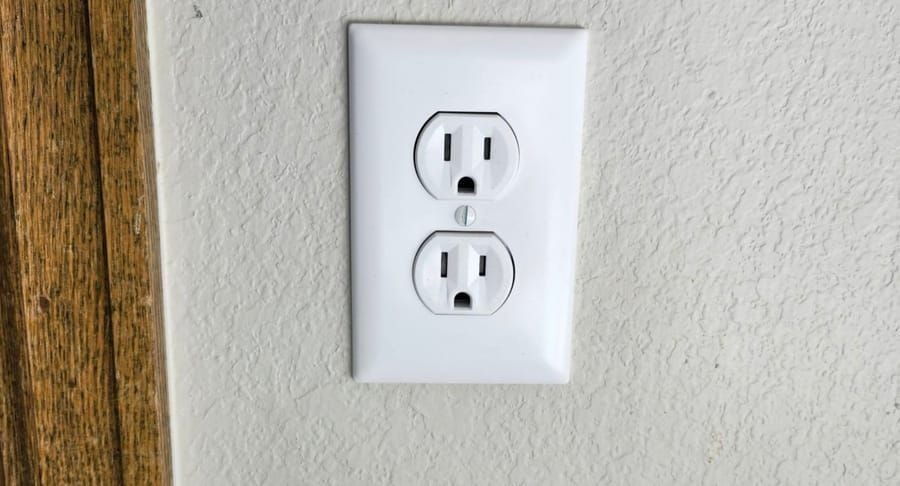
An outlet that stops working does not always have a failed receptacle. The cause could be an upstream GFCI outlet, a tripped breaker, a loose connection, damaged wiring, or another device on the same circuit.
We troubleshoot outlet problems such as:
-
Receptacles that no longer provide power
-
Plugs that fall out or fit loosely
-
Intermittent power
-
Outlets that feel warm
-
Buzzing or crackling sounds
-
Sparks during normal use
-
Discoloration or melting
-
Broken or cracked faceplates
-
Outlets pushed back into the wall
-
GFCI outlets that will not reset
-
Receptacles with reversed polarity
-
Ungrounded three-prong outlets
-
Multiple outlets failing on one circuit
-
Breakers that trip when an outlet is used
If an outlet is hot, visibly damaged, smoking, or producing a burning odor, stop using it and disconnect power to the circuit if that can be done safely. Repeated tripping may require circuit breaker repair or replacement in addition to correcting the outlet, connected load, or branch-circuit wiring that is causing the breaker to open.
Light Switch Repair and Replacement
A worn light switch can cause flickering, delayed operation, buzzing, inconsistent control, or complete loss of power to a fixture. In some cases, the switch is functioning correctly and the problem is located at the light fixture, in a junction box, or elsewhere on the circuit.
Our switch services address:
-
Switches that no longer control the light
-
Loose or unstable toggle mechanisms
-
Flickering when the switch is moved
-
Buzzing or warmth at the wall plate
-
Broken dimmers
-
Three-way switches that work inconsistently
-
Switches controlling the wrong fixture
-
Devices that were wired incorrectly during a remodel
-
Older switches with worn internal contacts
-
Smart switches that lose power or connectivity
We identify what the switch controls and test the circuit before replacing the device. When the fixture, junction box, or lighting layout is responsible for the problem, the repair may need to be coordinated with a broader lighting installation or replacement.
Switches and Outlets in Older Denver Homes
Many older Denver homes were built for fewer electrical devices and smaller household loads. The wiring may have been altered repeatedly as kitchens were updated, basements were finished, and new appliances or electronics were added.
Conditions we commonly evaluate include:
-
Two-prong receptacles without equipment grounding
-
Three-prong outlets installed on ungrounded wiring
-
Older electrical boxes with limited space
-
Brittle or shortened conductors
-
Devices connected with unreliable back-wired connections
-
Mixed wiring materials
-
Overfilled electrical boxes
-
Layers of previous repairs
-
Too few receptacles for the way a room is now used
-
Circuits shared between several remodeled areas
Replacing a two-prong receptacle with a three-prong device does not create a grounding path. The circuit must be evaluated so the replacement method is appropriate for the existing wiring. Depending on the home, the solution may involve grounding corrections, GFCI protection, new wiring, or a new circuit.
When questionable devices, inconsistent grounding, and previous alterations extend through several rooms, a whole-home electrical safety inspection can determine whether the concerns are isolated or part of a broader wiring condition.
GFCI Outlet Installation and Repair
Ground-fault circuit interrupter protection is designed to disconnect power when current follows an unintended path. It is commonly used where electricity may be exposed to water or moisture.
GFCI protection may be appropriate in areas such as:
-
Kitchens
-
Bathrooms
-
Garages
-
Basements
-
Laundry areas
-
Crawlspaces
-
Outdoor receptacle locations
-
Utility and mechanical areas
-
Areas near sinks and plumbing fixtures
One GFCI device can sometimes protect other outlets farther along the circuit. This means a receptacle may lose power because a different GFCI has tripped elsewhere in the home.
If a GFCI outlet will not reset, the problem may involve loss of incoming power, reversed line and load connections, moisture, a downstream fault, damaged wiring, or a failed device. Replacing the receptacle without testing the circuit may not resolve the cause.
Outdoor Outlet Installation for Denver Weather
Outdoor electrical devices must tolerate moisture, snow, temperature swings, intense sunlight, and exposure to landscape irrigation. An ordinary indoor receptacle and cover are not designed for these conditions.
Outdoor outlet installation may involve:
-
Weather-resistant receptacles
-
GFCI protection
-
Exterior-rated electrical boxes
-
Appropriate weatherproof covers
-
Proper sealing around penetrations
-
Secure mounting to the structure
-
Circuit evaluation for the intended load
-
Placement away from drainage and snow accumulation
Exterior outlets are frequently used for seasonal lighting, yard equipment, power tools, electric cooking equipment, and entertainment spaces. The circuit must be appropriate for the actual load rather than simply convenient to the desired location. Patio and landscape projects may combine exterior receptacles with new outdoor lighting installation so wiring routes, switching, and circuit demand can be planned together.
Denver’s freeze-and-thaw cycles can expose damaged covers, loose boxes, and failed seals. Moisture entering an exterior device can cause corrosion, nuisance tripping, or loss of power to other outlets on the same circuit.
Outlets for Finished Basements and Home Offices
Finished basements and converted rooms often need more receptacles than the original electrical layout provides. Extension cords and power strips may hide the shortage, but they do not increase circuit capacity.
New outlet installation can support:
-
Basement living spaces
-
Home offices
-
Entertainment areas
-
Guest rooms
-
Workshops
-
Exercise equipment
-
Laundry areas
-
Bars and food-preparation spaces
-
Built-in cabinetry
-
Wall-mounted televisions
Before adding devices, we determine which circuit serves the area and what else is already connected. A new receptacle should not be added to a circuit that cannot reliably support the intended equipment.
Finishing a basement may require additional circuits, AFCI or GFCI protection, and new breakers. If the existing equipment lacks sufficient capacity or usable circuit spaces, the project may also involve electrical panel upgrades rather than extending already burdened circuits.
Kitchen and Appliance Outlets
Modern kitchens place significant demand on the electrical system. Countertop appliances, refrigerators, dishwashers, disposals, microwaves, ranges, and beverage equipment may all have different power and circuit requirements.
Kitchen outlet work may include:
-
Replacing worn countertop receptacles
-
Adding receptacles for a revised layout
-
Installing GFCI-protected devices
-
Correcting outlets concealed behind fixed appliances
-
Adding receptacles for islands or peninsulas
-
Installing dedicated outlets for qualifying equipment
-
Relocating devices during cabinet replacement
-
Correcting loose or heat-damaged connections
A receptacle should be selected and installed for the equipment it will serve. Large appliances and high-demand countertop devices should not be treated like lamps or phone chargers. When an appliance requires a dedicated circuit, we evaluate the breaker, conductor size, receptacle configuration, and available panel capacity together.
Dimmer Switch Installation
A dimmer must be compatible with the lighting load, bulb type, fixture, wiring configuration, and number of control locations. An incompatible dimmer can cause flickering, buzzing, limited adjustment, premature lamp failure, or unreliable shutoff.
Before installing a dimmer, we consider:
-
LED, incandescent, or other lighting technology
-
The total connected lighting load
-
Single-pole or multi-location control
-
Whether a neutral conductor is available
-
Fixture and lamp dimming compatibility
-
Heat dissipation within the electrical box
-
Smart-home integration requirements
Replacing the dimmer alone may not correct poor performance when the bulbs, fixture driver, or wiring are incompatible. New recessed lights, pendants, exterior fixtures, and other residential lighting installations should be paired with controls that are rated for the fixtures and intended lighting load.
Smart Switch and USB Outlet Installation
Smart switches, connected dimmers, and USB-equipped outlets can improve convenience, but the device must work with the existing electrical system.
Some smart controls require a neutral conductor, adequate box space, compatible lighting, a dependable wireless connection, or a specific wiring arrangement. Older Denver homes may not have the necessary conductor in every switch box.
USB and USB-C outlets must also be selected for the intended charging needs. These devices contain internal electronics and should be installed in electrical boxes with sufficient space and sound wiring connections.
Smart controls, televisions, computers, chargers, and other sensitive electronics can be exposed to voltage transients originating inside or outside the home. Whole-home surge protection adds protection at the electrical panel rather than relying exclusively on plug-in devices at individual outlets.
Switches for Ceiling Fans
Ceiling fans may use separate switches for fan speed and lighting, combination wall controls, remote receivers, or smart controls. The correct switch depends on the fan, motor, light kit, wiring, and number of conductors running between the wall box and ceiling box.
A standard lighting dimmer should not be assumed compatible with a fan motor. Incorrect control selection can cause noise, limited speed control, unreliable operation, or damage to the equipment.
A complete ceiling fan installation may require a fan-rated ceiling box, proper support, new wiring, and compatible wall controls rather than a switch replacement alone.
When a Device Problem Points to a Larger Electrical Issue
Repeated outlet or switch failures can indicate a condition beyond the device itself. Broader evaluation may be appropriate when:
-
Several outlets lose power at once
-
Lights dim when an appliance starts
-
Breakers trip repeatedly
-
Multiple devices feel warm
-
Wiring insulation appears damaged
-
There is evidence of arcing or overheating
-
A circuit contains widespread grounding problems
-
Renovated areas have inconsistent wiring
-
The electrical panel is full or contains incompatible components
-
New household loads exceed the original system’s design
A device replacement should not be used to conceal a circuit or panel problem. When faults affect several circuits or originate at the distribution equipment, electrical panel repair or replacement may be necessary to address the underlying condition.
Adding New Outlets
New outlet installation requires more than cutting an opening and extending the nearest cable. The new device must be supplied by an appropriate circuit, installed in a suitable box, and protected for its location and intended use.
Our planning process considers:
-
The equipment that will use the outlet
-
Existing circuit load
-
Wire size and breaker rating
-
Grounding and circuit protection
-
Available wiring routes
-
Wall, ceiling, and floor construction
-
Furniture and cabinet placement
-
Potential exposure to moisture
-
Whether a dedicated circuit is needed
-
Future accessibility
High-demand equipment should not be connected through an ordinary outlet extension. For example, electric vehicle charger installation requires equipment-specific load calculations, circuit sizing, overcurrent protection, and evaluation of the home’s available electrical capacity.
Our Switch and Outlet Service Process
A professional repair begins by determining why the device is not operating correctly.
1. Confirm the Reported Problem
We test the outlet or switch and identify the circuit, connected load, and conditions under which the problem occurs.
2. Inspect the Device and Wiring
After safely disconnecting power, we examine the device, conductors, electrical box, grounding, and connections for wear, damage, overheating, or improper installation.
3. Determine the Correct Repair
We explain whether the issue can be resolved through a wiring correction, device replacement, box repair, circuit repair, or broader electrical upgrade.
4. Install the Appropriate Device
The new switch or outlet is matched to the circuit, location, wiring, and intended use. Connections are secured, and the device is mounted firmly within the electrical box.
5. Test Operation and Protection
We restore power and verify voltage, polarity, grounding, switching, GFCI operation, and any interconnected controls that apply to the installation.
Professional Solutions That Put You First
We provide reliable, people-first service designed to meet your unique needs with care and professionalism. Our team is committed to delivering consistent results, clear communication, and dependable support you can trust. From start to finish, we focus on quality, responsiveness, and building lasting relationships through service delivered with heart.Electrical Outlet and Switch Services From Denver Electricians
Switch and outlet problems should be evaluated in the context of the circuit behind them. Device age, wiring condition, grounding, electrical-box capacity, circuit protection, and household demand all influence the correct solution.
Schedule switch or outlet service with our electricians if a device is loose, damaged, warm, unreliable, outdated, or no longer suitable for how the space is used.

Special Offer
$49
Whole-Home Electrical Safety InspectionPanel, outlet, breaker, and grounding evaluation.
Offer cannot be combined with any other promotions, discounts, or special offers. Terms and conditions may apply.
Expires: November 30, 2026
Expires: November 30, 2026
Send Us A Message
Frequently Asked Questions
Reliable, High-Quality Service You Deserve
what people are saying
Quality Service Backed by Real Reviews
Nariman Movaffagh
3 days ago

James was amazing and answered all my questions.
Hank Prichard
4 days ago
Very knowledgeable very professional. All my questions were answered Michael and David went above and beyond for me. Will definitely recommend them and Heart
Dino Rojas
5 days ago
Getting the pipe problem fixed
shahla hashemi
6 days ago
I’ll be regular costumer now on. Excellent experience with heart heating, ac, and electric.
Merlynn Bender
1 week ago
5 stars for Jeremiah Stephens on my sewer cleaning. Right guy for that job.
Eddie Huynh
1 week ago
Eli was great. He was fair and honest and made me feel comfortable. He explained everything really well and treated me with respect. Great employee and really honest
Susie Hranicka
1 week ago
Chris did a great job and was so kind, knowledgeable and professional! We have used Heart for hot water heater replacement, kitchen faucet replacement and other plumbing needs! It is a great company to do business with…we are always satisfied!!
Merlynn Bender
1 week ago
Jeremiah did great. On time, the right guy for this job. Thank you.
Dianne Montoya
1 week ago
We purchased our furnace from Heart a couple of years ago. I had regular maintenance done and they went above and beyond. Highly recommend.
Zachary Blackburn
1 week ago
We love being members of Heart. Today, Morgan came out for a fix on our leaky sink and also helped with a cloggy tub. He was extremely knowledgeable and efficient, and I'd have Morgan back out to our house any time!
E Beuler
1 week ago
Larry was as excellent as all their other technicians. He explained what he was connecting electrically. All personnel are terrific! Won’t ever think about using anyone else in the future. I feel very valued as a customer too!
Trenton Barrance serviced my furnace this year and I was equally impressed with his work and communication with me !
Trenton Barrance serviced my furnace this year and I was equally impressed with his work and communication with me !
Bernadette Dixon
1 week ago
Eli and Jeremiah,were AMAZING did such a great job I will definitely share my experience with them to all that are looking for plumbing issues.
Gordon Reichal
2 weeks ago
Professional service. A pleasure to deal with their focus on integrity and quality service.
Maury Kroopnick
2 weeks ago
Knowledgeable, educational, helpful,
quentin Lewis
2 weeks ago
Nick was methodical. Didn't rush into a diagnosis that probably would've cost more. He was awesome!!
Laura Bernstein
2 weeks ago
The team was great! I reached out when my furnace wouldn’t start and heard back right away. They got Joel out to my house within an hour. He took apart the furnace and confirmed that unfortunately it was toast, but got me set up with a quote for what I really wanted, which was a whole new Heat pump system. Victor and Joel got the old furnace out and Nick and the install team got the new one in place with the heat pump. It was a long, late day for the team, but I finally am heating my house again.
Carla Beckman
2 weeks ago
Thanks for sending Joel Ramirez to get my furnace running. Joel is professional, competent, pleasant, efficient.
James Rush
2 weeks ago
Eli did a wonderful job that was one thing after another. He was professional and courteous and did his job well.
Get In Touch With Heart Heating, Cooling, Plumbing, Electric
Full Service Home Comfort
Heating, cooling, plumbing, and electrical services come together to support comfort, safety, and reliability throughout your home. From routine care to repairs and system upgrades, each service is handled with attention to detail and a focus on long term performance. Trusted solutions help keep everything running smoothly through every season.