FREE Dispatch Fee on Any Drain Call




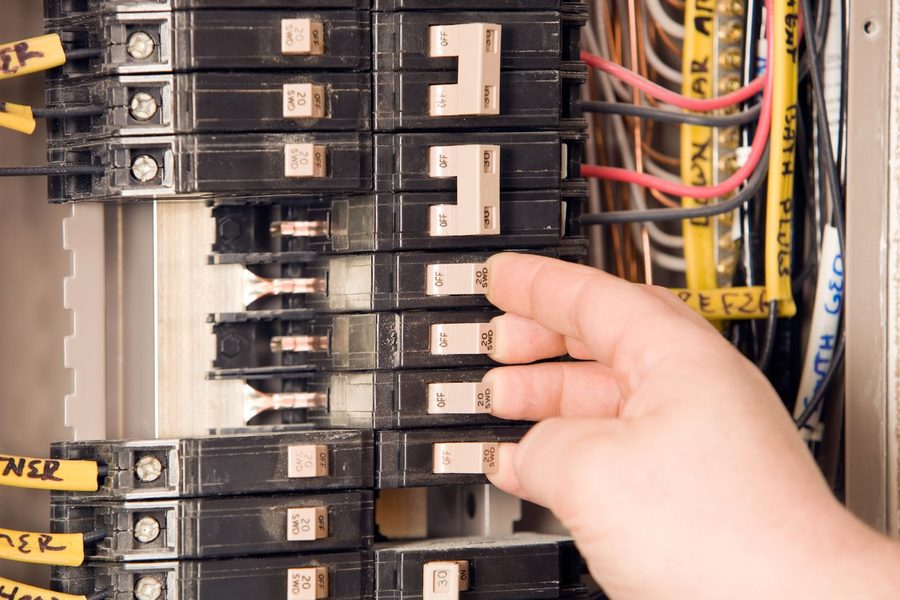
Your electrical panel is at the center of your home’s electrical system, distributing power to circuits throughout the house. As electrical needs change, the panel that once adequately served a home may no longer be the best fit. This can be particularly relevant when adding an EV charger, heat pump, electric appliance, hot tub, home addition, or other equipment that increases electrical demand.
For Denver Metro homeowners, however, having an older electrical panel does not automatically mean it needs to be replaced. Panel condition, available circuit space, electrical capacity, planned improvements, and the home’s overall electrical load all matter. Understanding the signs that an electrical panel upgrade may be needed can help you know when it is time to have your system professionally evaluated.
What Is an Electrical Panel Upgrade?
An electrical panel upgrade generally involves replacing or modifying the main electrical distribution equipment that supplies the circuits throughout your home.
Depending on the property, the project could involve the panel, circuit breakers, grounding and bonding components, service equipment, or other electrical components.
It is also important to distinguish between replacing an electrical panel and increasing the home’s electrical service capacity. Installing a new panel does not automatically increase how much electricity is available to the house. If greater service capacity is required, additional equipment and utility coordination may be necessary.
A professional electrical evaluation can determine what the home actually needs.
How Do You Know If Your Electrical Panel Needs an Upgrade?
An electrical panel may need to be evaluated for an upgrade if you experience frequent breaker trips, have outdated or damaged equipment, lack room for needed circuits, or plan to add significant new electrical loads.
Common reasons to schedule an electrical panel inspection include:
-
Frequently tripping breakers
-
A full electrical panel
-
An older or obsolete panel
-
A fuse box
-
Adding an EV charger
-
Installing high-demand electrical equipment
-
Remodeling or expanding your home
-
Visible corrosion or panel damage
-
Burning odors or unusual noises
-
Plans for greater home electrification
Not every one of these situations requires a new panel. An electrician can identify whether the issue involves the panel, an individual circuit, wiring, an appliance, or the home’s overall electrical capacity.
1. Your Circuit Breakers Trip Frequently
Circuit breakers are safety devices designed to interrupt electrical current under certain conditions. A breaker occasionally tripping because a circuit has been overloaded is different from breakers repeatedly tripping during normal household use.
Frequent trips may be caused by an overloaded circuit, faulty equipment, wiring problems, breaker issues, or another electrical condition.
Does a Tripping Breaker Mean You Need a New Panel?
Not necessarily. A single problematic circuit may need repair without requiring electrical panel replacement.
If a breaker repeatedly trips, will not reset, or trips immediately after resetting, avoid repeatedly turning it back on without determining the cause. Have a qualified electrician diagnose the problem instead.
2. Your Denver Metro Home Has an Older Electrical Panel
Older homes can have electrical systems designed for very different household demands than we have today.
Modern homes may power central air conditioning, computers, multiple televisions, kitchen appliances, EV chargers, home offices, and other electrical equipment that was uncommon when an older electrical system was designed.
However, there is no universal age at which every electrical panel must be replaced.
An electrician should consider the panel’s condition, capacity, manufacturer, design, available components, previous modifications, and the home’s electrical needs.
Certain obsolete electrical panels may also have limited replacement parts or other concerns that make upgrading worth considering.
3. You Are Running Out of Breaker Space
A full electrical panel can become an issue when you want to add circuits for appliances, renovations, or new electrical equipment.
However, physical space and electrical capacity are not the same thing.
Having an open breaker position does not necessarily mean your electrical service has enough capacity for another major load. Likewise, having no open breaker positions does not automatically mean the entire electrical service needs to be enlarged.
A professional load calculation can help determine how much electrical demand the home has and whether additional equipment can be accommodated safely.
4. You Are Adding an EV Charger
Installing an electric vehicle charger is one of the most common reasons homeowners begin thinking about electrical panel capacity.
Depending on the charging equipment, an EV charger can add a substantial new electrical load and may require a dedicated circuit.
Does an EV Charger Require an Electrical Panel Upgrade?
Not always.
Whether you need an electrical panel or service upgrade depends on your existing electrical capacity, current household loads, charger requirements, available panel space, and electrical system configuration.
In some situations, load-management technology may provide another option. Rather than assuming an expensive service upgrade is necessary, have an electrician perform the appropriate calculations and evaluate the complete installation.
5. You Are Installing New High-Demand Electrical Equipment
EV chargers are not the only additions that can change a home’s electrical needs.
You may want to have your panel evaluated before installing equipment such as:
-
An electric range or cooktop
-
An electric clothes dryer
-
A heat pump
-
Central air conditioning
-
An electric water heater
-
A hot tub or spa
-
Workshop equipment
-
Additional kitchen appliances
One new appliance does not automatically mean you need an electrical panel upgrade. The electrician should consider the home’s existing electrical load together with the requirements of the new equipment.
6. You Are Remodeling or Adding Onto Your Home
Major renovations are an ideal time to evaluate the electrical system because remodels frequently add new circuits, outlets, lighting, appliances, and other electrical loads.
This may apply to projects such as:
-
Kitchen remodels
-
Finished basements
-
Home additions
-
Garage conversions
-
New home offices
-
Additional bedrooms
-
Workshops
Planning electrical requirements early can help determine whether the existing panel and service can support the finished project before construction progresses.
Permitting, inspection, and electrical code requirements can vary depending on the scope of work and jurisdiction within the Denver Metro area, so electrical planning should be incorporated into the project from the beginning.
7. Your Home Still Has a Fuse Box
Traditional fuse boxes use replaceable fuses instead of resettable circuit breakers. Having a fuse box does not automatically mean the electrical system is unsafe simply because it uses fuses.
However, a fuse-based electrical system may be worth evaluating if you are experiencing capacity limitations, planning renovations, or adding modern electrical equipment.
An electrician can also inspect the system for improper modifications, equipment deterioration, and other conditions that may have developed over the years.
If your Denver Metro home still relies on a fuse box and you are planning significant electrical improvements, it is a good opportunity to discuss whether modernization makes sense.
8. You Notice Damage or Warning Signs Around the Panel
Some electrical panel symptoms require more immediate attention than simply running out of breaker space.
Contact an electrician promptly if you notice:
-
Burning odors
-
Buzzing, sizzling, or crackling sounds
-
Scorching or discoloration
-
Unusual heat around the panel
-
Corrosion
-
Signs of moisture
-
Damaged electrical components
-
Sparking
Do not remove the panel cover or attempt to inspect internal components yourself. Parts of electrical service equipment can remain energized even when the main breaker is switched off.
Smoke, fire, or active sparking can indicate an immediate hazard. If there is a fire or immediate danger, leave the area and contact emergency services. Never touch electrical equipment that is wet, damaged, or actively sparking.
What Size Electrical Panel Does a Denver Metro Home Need?
There is no single electrical panel size that is appropriate for every Denver Metro home.
Electrical capacity should be based on the home’s calculated demand rather than square footage alone. Factors can include:
-
Home size
-
Heating and cooling equipment
-
Major appliances
-
EV charging
-
Electric water heating
-
Hot tubs
-
Workshops
-
Future remodeling
-
Planned home electrification
A professional electrical load calculation can determine whether the existing service has adequate capacity for current and planned electrical loads.
This can also prevent unnecessary upgrades. Having a lower-capacity service does not automatically mean it needs to be increased if the home’s calculated electrical demand can be safely accommodated.
Does an Electrical Panel Upgrade Increase Your Home’s Electrical Capacity?
Not necessarily. Electrical panel replacement and an electrical service upgrade are not always the same project.
A new panel can provide updated equipment or additional circuit positions while the home’s overall service capacity remains unchanged.
Increasing the amount of electrical power available to a home may require additional changes, potentially involving service conductors, meter equipment, grounding and bonding, utility equipment, or other components.
An electrician can determine whether you need panel replacement, a service upgrade, or another solution.
Should You Upgrade Your Electrical Panel Before Electrifying Your Home?
If you plan to add several electric appliances or systems, evaluating your electrical capacity early can help you develop a smarter long-term plan.
Future electrical loads might include:
-
An EV or second EV
-
Heat pump heating and cooling
-
Electric or heat pump water heating
-
Induction cooking
-
Workshop equipment
-
A home addition
You should not automatically assume all of these improvements require a larger electrical service.
Electrical load calculations, energy-efficient appliances, and certain load-management technologies may allow some homeowners to add equipment without increasing service size. The best approach is to evaluate the entire electrification plan rather than making upgrades one appliance at a time.
Can You Upgrade an Electrical Panel Yourself?
Electrical panel upgrades should be completed by appropriately qualified electrical professionals and according to applicable permitting and inspection requirements.
Panel and service work can expose a person to severe shock, arc flash, fire, and other hazards. Some components may remain energized even when the home’s main breaker is turned off.
Homeowners should not remove the panel cover or attempt to replace breakers, service equipment, or internal panel components without appropriate qualifications.
When Should You Have Your Electrical Panel Inspected?
Consider scheduling an electrical panel evaluation when:
-
Breakers trip repeatedly
-
Your panel is full
-
You have an older or unfamiliar panel
-
You are installing an EV charger
-
You are adding major electrical equipment
-
You are remodeling your home
-
You notice heat, odors, corrosion, or unusual sounds
-
You are planning broader home electrification
-
You are unsure whether your current service can handle future electrical needs
An inspection does not automatically mean you will need a replacement. The goal should be determining what the electrical system actually requires.
Does My Denver Metro Home Need an Electrical Panel Upgrade?
Your Denver Metro home may need an electrical panel upgrade if the existing equipment is damaged, obsolete, lacks necessary circuit space, or cannot appropriately support your current or planned electrical needs.
Older equipment alone is not enough to determine whether replacement is necessary. Likewise, frequent breaker trips should be diagnosed rather than automatically blamed on an undersized panel.
A professional inspection and electrical load calculation can help determine whether you need a repair, additional circuits, panel replacement, greater service capacity, or another solution.
Schedule an Electrical Panel Evaluation With Heart Heating, Cooling, Plumbing & Electric
Whether you are dealing with frequent breaker trips or planning an EV charger, remodel, heat pump, or other electrical upgrade, understanding your home’s available electrical capacity is an important first step.
Heart Heating, Cooling, Plumbing & Electric can evaluate electrical panels and service capacity for homeowners throughout the Denver Metro area. The goal is to identify what your home actually needs, whether that means addressing an electrical problem, replacing outdated equipment, preparing for additional loads, or upgrading the electrical service.
Contact Heart Heating, Cooling, Plumbing & Electric today to schedule an electrical panel evaluation and make sure your home’s electrical system is prepared for the way you use electricity now and in the future.
Get In Touch With Heart Heating, Cooling, Plumbing, Electric
Full Service Home Comfort
Heating, cooling, plumbing, and electrical services come together to support comfort, safety, and reliability throughout your home. From routine care to repairs and system upgrades, each service is handled with attention to detail and a focus on long term performance. Trusted solutions help keep everything running smoothly through every season.