FREE Dispatch Fee on Any Drain Call


Trenchless Pipe Lining Services in Metro Denver


A damaged drain or sewer pipe does not always need to be excavated and replaced. When the existing pipe retains enough structural integrity, we may be able to install a new lining inside it while reducing the need to disturb yards, concrete, driveways, and landscaping.
At Heart Heating, Cooling, Plumbing & Electric, we provide professional pipe lining services throughout Metro Denver, Aurora, Colorado Springs, and surrounding Front Range communities. We inspect the existing pipe, determine whether it is suitable for lining, and prepare the line for a dependable trenchless repair.
Pipe lining is one of several solutions available through our complete drain and sewer services. We recommend it when the pipe material, type of damage, accessibility, and overall condition make lining a suitable alternative to excavation.
Our Trenchless Pipe Lining Services
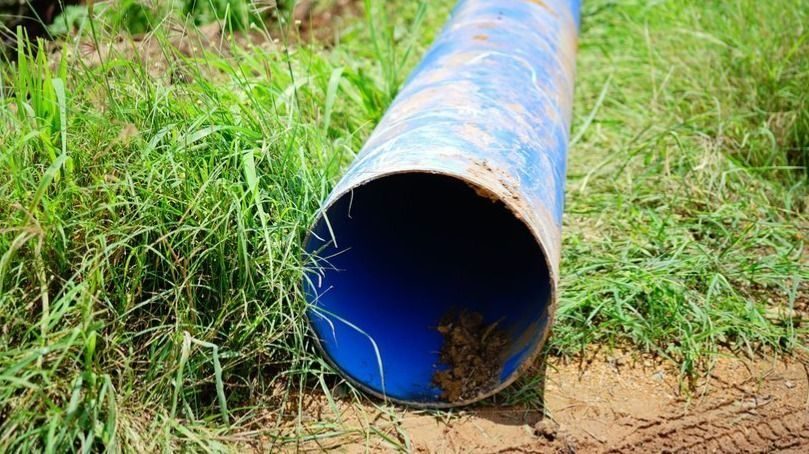
Trenchless pipe lining rehabilitates a damaged drain or sewer line from the inside. We insert a resin-saturated liner into the prepared host pipe and position it against the interior walls. Once cured, the liner forms a new pipe within the existing line.
This process is also known as cured-in-place pipe lining, CIPP lining, sewer pipe lining, or trenchless pipe rehabilitation. It can seal cracks, cover deteriorated joints, bridge minor gaps, and create a smoother interior surface for wastewater flow.
We provide pipe lining for eligible residential drain and sewer lines affected by:
-
Cracks and small fractures
-
Corroded interior pipe surfaces
-
Leaking pipe joints
-
Minor gaps between pipe sections
-
Root entry through joints or cracks
-
Deteriorated cast iron piping
-
Aging clay sewer lines
-
Multiple weakened areas within a stable pipe
-
Damage beneath landscaped or hardscaped areas
-
Difficult-to-access drain and sewer piping
Not every damaged pipe can be lined. If the line has collapsed, shifted significantly, lost its original shape, or developed severe structural failure, we may recommend another repair or replacement method.
Camera Inspection Before Pipe Lining
We inspect the inside of the pipe before recommending a liner. Our drain and sewer camera inspections allow us to evaluate the pipe material, diameter, layout, connections, and extent of the damage.
During the inspection, we look for:
-
Cracks and fractures
-
Corrosion and scale
-
Root intrusion
-
Separated or offset joints
-
Collapsed sections
-
Changes in pipe shape
-
Existing repairs
-
Branches and connections
-
Conditions that could interfere with liner placement
The camera inspection tells us whether the host pipe can support a liner and how much of the line requires rehabilitation. It also helps us avoid recommending pipe lining when the damage calls for a different solution.
How We Complete Pipe Lining
Successful pipe lining depends on careful diagnosis, thorough preparation, accurate liner placement, and final verification. We complete each step according to the condition and layout of the existing line.
Inspecting the Pipe
We begin with a camera inspection to document the pipe’s condition and locate the damaged sections. This confirms whether lining is appropriate and identifies any blockages or defects that must be addressed first.
Cleaning and Preparing the Line
The liner needs a properly prepared surface. We remove roots, scale, grease, corrosion, and other buildup that could prevent the liner from fitting correctly against the host pipe.
Depending on what we find, drain cleaning or additional mechanical cleaning may be required before lining begins.
Installing the Liner
We prepare the liner for the diameter and length of the damaged pipe. The liner is inserted through an available access point and positioned within the section being rehabilitated.
Curing the New Interior Pipe
We hold the liner against the existing pipe while the resin cures. Once hardened, the liner creates a continuous new surface inside the host pipe without requiring us to remove its full length.
Confirming the Completed Work
After the liner cures, we inspect the line again with a camera. We verify its placement, confirm that necessary connections remain open, and make sure the rehabilitated pipe is ready to carry wastewater.
Benefits of Pipe Lining
Traditional sewer replacement may require excavation along the route of the damaged pipe. Pipe lining allows us to rehabilitate eligible lines through limited access points.
Depending on the property and pipe condition, lining may provide:
-
Less excavation than traditional replacement
-
Reduced disruption to lawns and landscaping
-
Less impact on driveways, patios, and walkways
-
Access to pipes beneath difficult surface areas
-
Sealing of cracks, joints, and minor gaps
-
A smoother interior surface for wastewater flow
-
Fewer joints within the rehabilitated section
-
A durable alternative to repeated spot repairs
-
A more focused repair for long sections of deterioration
Pipe lining does not eliminate all digging in every situation. Access points, cleanout locations, pipe layout, and existing damage determine how we complete the work.
Pipe Lining for Cast Iron and Clay Pipes
Many established Front Range homes have cast iron or clay drain and sewer lines. These materials can remain functional for decades, but their condition may decline as the plumbing system ages.
Cast iron piping can corrode, develop rough interior surfaces, and accumulate scale that restricts flow. Clay pipes can crack, separate at the joints, and allow tree roots to enter.
When these pipes remain structurally stable, we may be able to line them and create a continuous interior surface without removing the entire host line. We consider the severity of the deterioration, shape of the pipe, joint condition, accessibility, and previous repairs before recommending lining.
Pipe Lining Versus Sewer Line Replacement
Pipe lining rehabilitates the pipe that is already in place. Sewer line replacement installs a new pipe when the existing line cannot be restored reliably. We offer both solutions and recommend the one that matches the actual condition of the system.
Pipe lining may be appropriate when:
-
The existing pipe retains its basic shape
-
Cracks, corrosion, or leaking joints can be covered
-
The line can be thoroughly cleaned
-
The required access points are available
-
The host pipe remains stable enough to support a liner
-
Reducing surface disruption is an important consideration
Replacement may be required when:
-
The pipe has collapsed
-
Large sections are missing
-
Joints have shifted substantially
-
The pipe has lost its shape
-
The existing slope prevents proper drainage
-
The pipe size or route must be changed
-
The remaining pipe cannot support a liner
When lining is not appropriate, we provide complete sewer line repair and replacement. We explain why the line needs a different repair method and what the work will involve before moving forward.
When We Recommend a Pipe Lining Evaluation
Recurring drainage trouble does not automatically mean the pipe should be lined. Some lines only need cleaning, while collapsed or improperly sloped pipes may require replacement.
We may recommend evaluating the line for trenchless pipe lining when:
-
Tree roots repeatedly enter through cracks or joints
-
Backups return after the line has been cleaned
-
A camera inspection reveals cracks or corrosion
-
Scale has developed inside cast iron piping
-
Clay pipe joints are leaking or deteriorating
-
The damaged line runs beneath a driveway or patio
-
Several weakened sections affect the same pipe
-
Previous spot repairs have not resolved the larger problem
We use the inspection findings to determine whether cleaning, a focused repair, pipe lining, or replacement provides the most dependable solution.
Pipe Lining for Front Range Homes
Older homes throughout Denver, Aurora, Colorado Springs, and nearby communities may have underground cast iron or clay piping. Mature trees, shifting soil, corrosion, aging joints, and years of wastewater flow can contribute to pipe deterioration.
Pipe lining gives us a way to rehabilitate eligible lines while limiting disruption to established yards and hardscaped areas. We assess every line individually because pipe material, access, soil conditions, layout, and previous repairs all affect whether trenchless lining is possible.
Why Choose Heart for Pipe Lining?
Pipe lining is only effective when the host pipe is inspected, cleaned, prepared, lined, and verified correctly. We approach the work as part of the complete drain and sewer system rather than recommending lining for every damaged pipe.
When you work with Heart, you can expect:
-
A sewer camera inspection before lining
-
Clear confirmation that the pipe is suitable for rehabilitation
-
Thorough cleaning and preparation
-
A liner sized for the existing pipe
-
Final camera verification
-
Access to trenchless and traditional sewer solutions
-
Clear explanations before work begins
-
Service throughout Metro Denver and the Colorado Front Range
We recommend pipe lining when the existing line can support it. If the damage requires another solution, we will explain the available repair or replacement options.
Professional Solutions That Put You First
We provide reliable, people-first service designed to meet your unique needs with care and professionalism. Our team is committed to delivering consistent results, clear communication, and dependable support you can trust. From start to finish, we focus on quality, responsiveness, and building lasting relationships through service delivered with heart.Schedule a Pipe Lining Evaluation
Recurring backups, root intrusion, cracks, and corrosion can continue causing trouble when the physical damage inside the pipe is not corrected. We provide camera inspections and trenchless pipe lining across Denver, Aurora, Colorado Springs, and surrounding Front Range communities.
Schedule a pipe lining evaluation with Heart Heating, Cooling, Plumbing & Electric to find out whether we can rehabilitate your drain or sewer line without full excavation.

Special Offer
GET A NEW HEAT PUMP
& Receive up to $9,000 in rebatesRestrictions apply. Details may vary.
Expires: October 31, 2026
Expires: October 31, 2026
Special Offer
$69
Water Heater Flush($242 Value)
Valid for Tanked Water Heaters Only.
Offer cannot be combined with any other promotions, discounts, or special offers. Terms and conditions may apply.
Expires: October 31, 2026
Expires: October 31, 2026
Send Us A Message
Frequently Asked Questions
Reliable, High-Quality Service You Deserve
what people are saying
Quality Service Backed by Real Reviews
Laura Bernstein
16 hours ago

The team was great! I reached out when my furnace wouldn’t start and heard back right away. They got Joel out to my house within an hour. He took apart the furnace and confirmed that unfortunately it was toast, but got me set up with a quote for what I really wanted, which was a whole new Heat pump system. Victor and Joel got the old furnace out and Nick and the install team got the new one in place with the heat pump. It was a long, late day for the team, but I finally am heating my house again.
Carla Beckman
17 hours ago
Thanks for sending Joel Ramirez to get my furnace running. Joel is professional, competent, pleasant, efficient.
James Rush
18 hours ago
Eli did a wonderful job that was one thing after another. He was professional and courteous and did his job well.
Avery Oaks
20 hours ago
Just did our plumbing in COS, nothing but professional and amazing workers. Would recommend this company to anyone!
J C
24 hours ago
Nick did a fantastic job diagnosing our furnace problem and providing an effective solution.
D. Askew
1 day ago
We just had our furnace serviced, getting ready for winter. The young man that performed our maintenance serviceing, Trenton Barrance, was professional, very personable and very thorough. He made the whole experience a positive one.
Richard Quinlan
2 days ago
I am totally impressed by your tech as he is a true professional who knows his trade and does great work. My evap cooler is now protected for the winter and more importantly my furnace witl keep me warm this winter
Angel Renee
2 days ago
Excellent service! The company was incredibly prompt and came out the very next day. Joel was very nice and took the extra time to explain everything to me. I learned so much more about my HVAC system thanks to him—highly recommend!
Kathy Harmon
2 days ago
David did a great job! He explained everything along the way and the result is phenomenal.
Kevin Simard
2 days ago
Justin A, Justin C, Ryan S, Richard S, thanks for the professional install of our hot water heater! Also Richard B for the Hvac maintenance. Top notch team!
Update:
We had a code flashing on our furnace at 11pm last night. Called Heart at 7:30am the following morning, Trenton Barrance was here before 9:30am. He inspected the furnace and stayed for a while making sure the code didn't pop up again. Thanks again Trenton & Heart.
Update:
We had a code flashing on our furnace at 11pm last night. Called Heart at 7:30am the following morning, Trenton Barrance was here before 9:30am. He inspected the furnace and stayed for a while making sure the code didn't pop up again. Thanks again Trenton & Heart.
Kenneth Sheehan
3 days ago
Daniel (plumbing) and Joel (HVAC) did an excellent job as usual.
I have been a member of Heart's maintenance program for many years and it is very much worth it.
I have been a member of Heart's maintenance program for many years and it is very much worth it.
Erin Hoffman
3 days ago
Omer is such a pleasure to work with, only want to use him!:)
Denny Koschel
3 days ago
Daniel was absolutely fantastic
Susan Maes
4 days ago
James was very informative.. Answered all our questions and explained everything
Randall Mann
5 days ago
Trenton Barrance did a yearly inspection on my furnace.
He performed a very through inspection and found all was running great.
Trenton was very polite and we had good conversations together.
I'm very pleased with his personality and his work.
I'm very pleased wth Hearth Heating .used them for years
Good company and good people.
Randy Mann
He performed a very through inspection and found all was running great.
Trenton was very polite and we had good conversations together.
I'm very pleased with his personality and his work.
I'm very pleased wth Hearth Heating .used them for years
Good company and good people.
Randy Mann
Steven Benoy
6 days ago
Some hero’s don’t wear capes. James flew into our last minute needs with kindness and skillz!
Simple from start to finish! If afraid of getting burned (or simply staying hot)…call Heart now!
Simple from start to finish! If afraid of getting burned (or simply staying hot)…call Heart now!
Reece Cantrell
6 days ago
Great people that know there products.
Daniel Gay
1 week ago
I called them for a potential water leak because my water bill was unusually high. Justin came to do an assessment and was very honest. Nothing was wrong other than extra daily usage based on the meter etc. I've had bad experiences in the past where auditors try to find something to fix and charge me for unnecessary work. This was not the case with Justin. We discussed some plumbing issues I've had in the past and sold me on getting the cheap subscription which sounds like a great deal. I'll call and set that up next spring when I'm predicting some work to be done on my furnace. I wasn't charged for the inspection. He never acted like it was a waste of his time and was friendly during the entire interaction.
Get In Touch With Heart Heating, Cooling, Plumbing, Electric
Full Service Home Comfort
Heating, cooling, plumbing, and electrical services come together to support comfort, safety, and reliability throughout your home. From routine care to repairs and system upgrades, each service is handled with attention to detail and a focus on long term performance. Trusted solutions help keep everything running smoothly through every season.