FREE Dispatch Fee on Any Drain Call


Orangeburg vs. Clay Sewer Pipes: What Colorado Front Range Homeowners Should Know


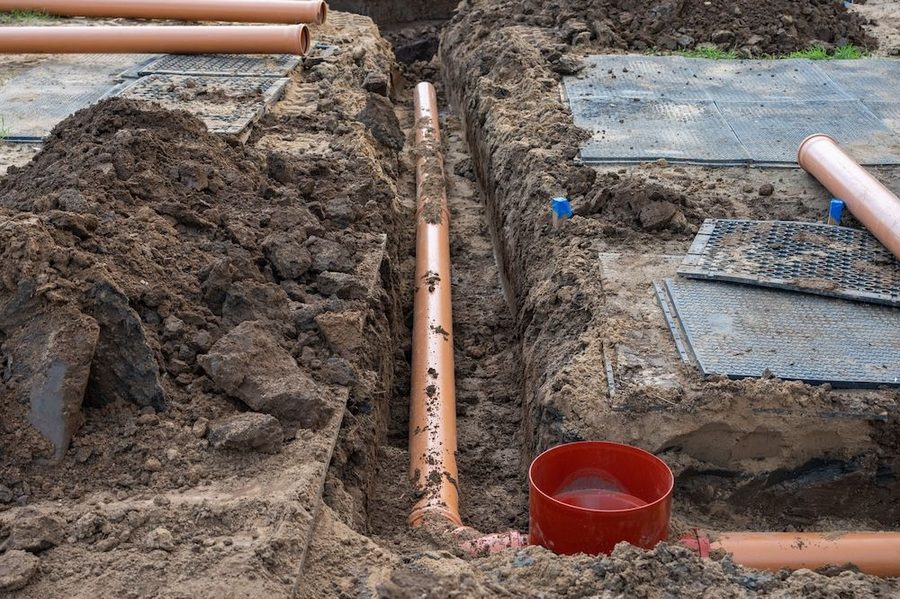
Older homes throughout the Colorado Front Range often come with character, established neighborhoods, and mature landscaping. They may also have aging sewer lines made from materials that are uncommon in newer residential construction. Two materials homeowners may encounter are Orangeburg and vitrified clay sewer pipes.
Orangeburg and clay pipes can both develop problems over time, but they are made differently and tend to fail in different ways. If you own an older Front Range home or are dealing with recurring sewer problems, understanding these materials can help you know when a professional sewer inspection may be worthwhile.
What Is the Difference Between Orangeburg and Clay Sewer Pipes?
Orangeburg is a fiber-based sewer pipe made from compressed layers of wood pulp or similar fibers bonded with a bituminous material. A clay sewer pipe is a rigid ceramic pipe made from fired clay.
The primary difference for homeowners is how the materials tend to develop problems. Orangeburg can gradually deform, flatten, delaminate, or lose structural integrity. Clay generally retains its rigid shape, but individual sections can crack, break, shift, or separate at their joints.
Neither material automatically needs replacement simply because it is old. The current condition of the sewer line is what matters most.
What Is Orangeburg Sewer Pipe?
Orangeburg is commonly used as the name for bituminous fiber pipe. It became a popular sewer and drainage material during the mid-20th century, when its lightweight construction made it easier to transport, cut, and install than many heavier alternatives.
Instead of being made from metal, clay, or modern plastic, Orangeburg was manufactured from layers of fiber combined with a water-resistant bituminous compound.
What Happens to Orangeburg Pipe as It Ages?
One of the primary concerns with Orangeburg is its ability to maintain its shape and structural integrity as it deteriorates.
Potential Orangeburg sewer pipe problems include:
-
Flattening or becoming oval
-
Interior delamination
-
Deformation
-
Restricted wastewater flow
-
Root intrusion through compromised areas
-
Partial or complete collapse
Not every Orangeburg line deteriorates at the same rate. Installation quality, soil conditions, surrounding loads, and the condition of the individual pipe can all affect how it performs.
What Is a Clay Sewer Pipe?
Vitrified clay sewer pipe is a rigid ceramic material that has been used for sewer systems for generations. Clay is resistant to many forms of chemical deterioration, which is one reason some older clay sewer lines can remain functional for decades.
However, clay sewer laterals are generally assembled from multiple individual sections. That creates numerous joints along the sewer line, and those connections can become vulnerable as conditions change over time.
Common Problems With Clay Sewer Lines
Problems found in older clay pipes can include:
-
Cracks and fractures
-
Broken pipe sections
-
Offset joints
-
Separated connections
-
Root intrusion
-
Alignment problems
-
Areas of standing wastewater
A clay sewer line does not necessarily need replacement just because it is old. A properly functioning line with intact sections and joints may continue serving the home.
How Do Orangeburg and Clay Sewer Pipes Compare?
Although both materials may be found beneath older Colorado Front Range properties, their common failure patterns are noticeably different.
Orangeburg Is More Likely to Deform
Orangeburg is not a rigid ceramic material. As deterioration progresses, the pipe can lose its original round shape. Flattening, ovaling, interior deterioration, or significant deformation can restrict wastewater flow and eventually contribute to structural failure.
Clay Is Rigid but Can Crack or Shift
Clay generally retains its shape unless it cracks or breaks. The numerous joints between clay pipe sections can also become trouble spots. If sections shift, joints separate, or cracks develop, openings may allow surrounding soil or tree roots to enter the line.
Both Can Cause Recurring Sewer Problems
Despite these differences, damaged Orangeburg and clay pipes can produce similar symptoms inside the home. Both can contribute to recurring clogs, sewage backups, slow drainage, or other sewer problems.
That is why symptoms alone usually cannot tell you which material is underground.
Why Are Older Sewer Pipes a Concern Along the Colorado Front Range?
Established communities throughout the Colorado Front Range include homes built during periods when clay and Orangeburg sewer laterals were in use.
The construction date of a house can provide a clue about what may be underground, but it is not proof. Sewer lines can also be repaired or partially replaced over the years, leaving a property with more than one pipe material.
Soil Movement Can Affect Buried Pipes
Parts of Colorado have expansive soils that change volume as moisture conditions change. Ground movement and settlement can place stress on buried infrastructure, including sewer lines.
This does not mean Colorado soil automatically damages every Orangeburg or clay sewer pipe. Local soil conditions, installation, drainage, burial depth, and the pipe’s existing condition all influence how a sewer lateral performs.
Mature Tree Roots Can Find Existing Openings
Many older Front Range neighborhoods also have mature trees and landscaping. Roots seeking moisture can enter sewer lines through cracks, separated joints, and other defects.
Clay sewer lines may experience root intrusion around compromised joints, while deteriorated Orangeburg can also develop openings that provide pathways for roots.
How Do You Know What Type of Sewer Pipe You Have?
You usually cannot determine sewer pipe material simply by looking at the house.
Useful information may come from:
-
Previous sewer repair records
-
Plumbing or property documentation
-
Accessible portions of the sewer line
-
A professional sewer camera inspection
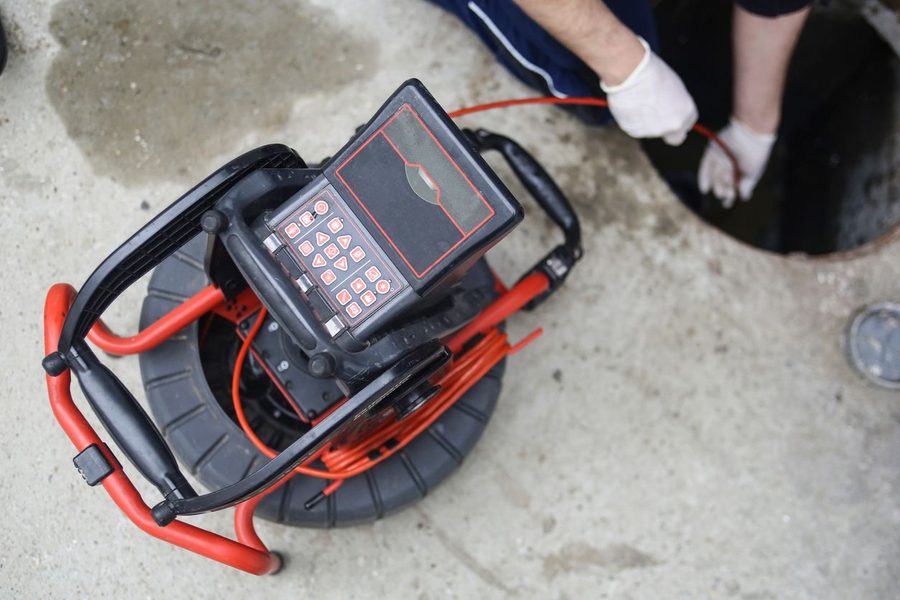
During a sewer camera inspection, a waterproof camera travels through accessible portions of the sewer lateral so a plumber can evaluate its interior.
What Can a Sewer Camera Inspection Reveal?
Depending on access and visibility, a sewer camera may reveal:
-
Characteristics that help identify pipe material
-
Cracks or broken sections
-
Root intrusion
-
Offset or separated joints
-
Orangeburg deformation
-
Standing water
-
Blockages or accumulated debris
-
Visible deterioration or collapse
A camera cannot show every condition surrounding the outside of the pipe, so additional diagnostic methods may sometimes be necessary.
What Are the Signs of an Aging Sewer Line?
Orangeburg and clay sewer problems can create many of the same warning signs.
Colorado Front Range homeowners should pay attention to:
-
Recurring drain clogs
-
Multiple drains slowing simultaneously
-
Sewage backups
-
Gurgling drains or toilets
-
Persistent sewer odors
-
Clogs that repeatedly return after cleaning
-
Unexplained wet or unusually lush areas outside
These symptoms can also have other causes. A recurring clog, for example, does not automatically mean an Orangeburg pipe is collapsing or a clay sewer line is broken.
Proper diagnosis can help distinguish a temporary blockage from a structural sewer problem.
Does Orangeburg Pipe Always Need to Be Replaced?
No. Discovering Orangeburg does not automatically mean the entire sewer line needs immediate replacement. Its actual condition should first be evaluated.
However, replacement may become appropriate when Orangeburg has significantly deformed, deteriorated, or collapsed. Recurring blockages caused by structural deterioration can also indicate that repeatedly cleaning the line is no longer addressing the underlying problem.
The extent and location of the damage should guide the recommendation.
Does Old Clay Sewer Pipe Need to Be Replaced?
Old clay sewer pipe does not automatically need replacement either.
A clay line that remains structurally sound, properly aligned, and functional may continue to serve the property. Repair or replacement becomes more relevant when an inspection finds significant cracking, broken sections, severe joint offsets, recurring root intrusion associated with defects, or collapse.
Age is one factor, but condition is more important.
Can Orangeburg and Clay Sewer Pipes Be Repaired?
Repair options depend on the pipe’s condition, location, configuration, and extent of damage.
Traditional Sewer Repair
Traditional excavation provides direct access to damaged sections. It may be appropriate for localized repairs or larger sewer line replacement projects.
Trenchless Sewer Repair
Certain sewer lines may qualify for trenchless rehabilitation or replacement methods that reduce the amount of excavation required.
However, trenchless sewer repair is not appropriate for every situation. Severe deformation or collapse can limit some options, particularly when the existing pipe no longer provides a suitable pathway for a specific rehabilitation method.
A professional sewer evaluation can determine which solutions are technically appropriate for the property.
Should You Get a Sewer Inspection Before Buying an Older Front Range Home?
A sewer camera inspection can provide valuable additional information when purchasing an older home, particularly when the sewer lateral’s material, condition, and repair history are unknown.
A sewer scope may reveal roots, cracks, joint problems, deformation, or other visible conditions that could affect future maintenance and repair decisions. However, it represents the visible condition of the line at the time of inspection and cannot guarantee future performance.
Get Answers About Your Sewer Line With Heart
Orangeburg and clay sewer pipes have different characteristics, but either material can develop problems as conditions change over time. Orangeburg is more susceptible to deformation and deterioration, while clay sewer pipes can crack, shift, or develop vulnerable joints.
If your Colorado Front Range home has recurring clogs, sewer backups, slow drains, or other signs of a sewer line problem, identifying the pipe material is only part of the diagnosis. Understanding its current condition is what helps determine whether cleaning, repair, or replacement is appropriate.
Heart Heating, Cooling, Plumbing & Electric helps Colorado Front Range homeowners diagnose sewer line problems and evaluate repair and replacement options. Contact Heart today to schedule plumbing or sewer service and get a clearer picture of what is happening inside your home’s sewer line.

Get In Touch With Heart Heating, Cooling, Plumbing, Electric
Full Service Home Comfort
Heating, cooling, plumbing, and electrical services come together to support comfort, safety, and reliability throughout your home. From routine care to repairs and system upgrades, each service is handled with attention to detail and a focus on long term performance. Trusted solutions help keep everything running smoothly through every season.