FREE Dispatch Fee on Any Drain Call




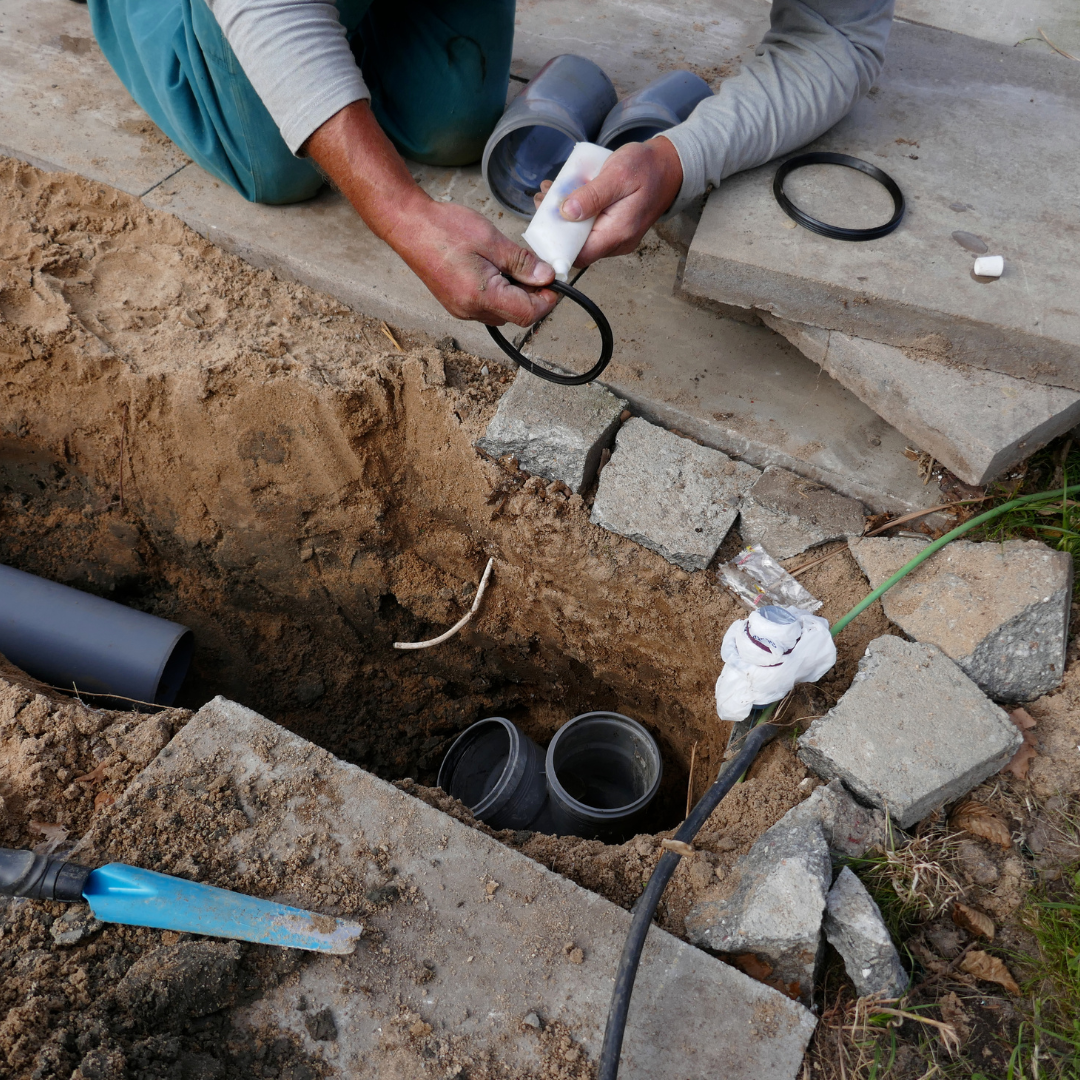
Denver is a city defined by its vibrant history and its rapid modernization. From the classic brick bungalows in Wash Park to the sprawling mid-century estates in Cherry Creek and the new developments in Green Valley Ranch, our homes sit on a diverse geological and historical foundation. However, regardless of the age of your home, there is one critical system that remains out of sight and often out of mind until it fails: your sewer line.
At Heart Heating, Cooling, Plumbing & Electric, we understand that sewer line integrity is the literal backbone of your home’s health. In Denver, we face a unique trifecta of challenges: shifting mountain soils, invasive tree roots from our lush urban canopy, and aging municipal infrastructure. As we navigate the 2026 home maintenance season, understanding the state of your sewer line is more important than ever. This guide is designed to empower Denver homeowners with the knowledge to identify, maintain, and repair their sewer systems with the “Heart” and expertise our community deserves.
The Denver Landscape: Why Sewer Lines Struggle in the Mile High City
Every city has its plumbing quirks, but Denver’s are particularly stubborn. To understand sewer line integrity, you first have to understand what is happening beneath your lawn.
1. The Bentonite Factor (Expanding Soils)
Much of the Front Range sits on soil rich in bentonite clay. This “expansive soil” acts like a sponge; it swells significantly when wet and shrinks when dry. This constant movement puts immense mechanical stress on underground pipes. For older Denver homes with rigid clay or cast iron pipes, this shifting can cause joints to pull apart or sections of the pipe to “belly,” leading to standing water and recurring clogs.
2. The Urban Canopy
We love our street trees, but the silver maples, honey locusts, and cottonwoods that shade our neighborhoods are opportunistic hunters. Their roots seek out moisture, and a tiny crack in an old sewer line acts like a neon sign. Once a root enters a pipe, it expands, creating a dense mat that catches debris and eventually causes a total backup.
3. Aging Materials
If your home was built before 1980, your sewer line is likely reaching the end of its intended lifespan. Clay tile pipes are susceptible to cracking, while cast iron pipes eventually suffer from internal corrosion and “scaling,” which narrows the pipe and catches solid waste.
The Warning Signs: How Your Home Signals a Failure
A sewer line rarely fails without warning. At Heart, we believe in proactive diagnostics. If you notice any of the following signs, your sewer line integrity is likely compromised:
- The Gurgle: If your toilet gurgles when the shower drains, or your kitchen sink bubbles when the washing machine cycles, air is being trapped in the line by a significant obstruction.
- The “Slow Motion” Drain: If every drain in your house is moving slowly despite your best efforts with a plunger, the problem is not in your sinks; it is in the main line.
- Unusual Yard Activity: Look for patches of grass that are suddenly much greener and lusher than the rest of the lawn. This is often a sign of a “fertilizer leak” from a cracked sewer pipe. Conversely, a new “sinkhole” or indentation in your yard indicates that soil is being washed away by a leaking pipe.
- Persistent Odors: The smell of sewer gas in your basement or near floor drains indicates a breach in the line or a failed P-trap seal.
High-Tech Diagnostics: The Heart Camera Inspection
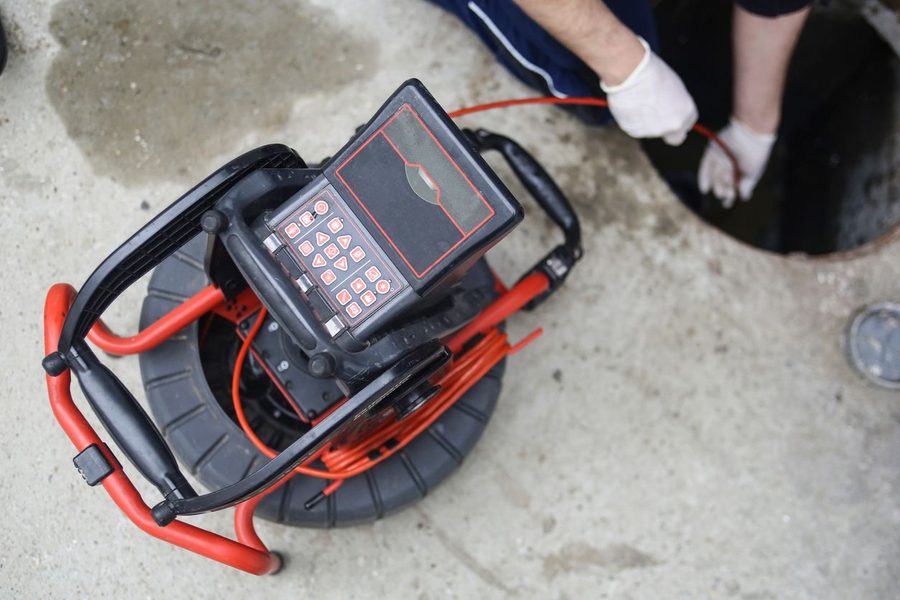
In the past, plumbers had to dig up the yard just to find a problem. In 2026, we utilize high-definition fiber optic cameras to take the guesswork out of the equation. A sewer camera inspection is the only way to truly verify the integrity of your line.
We run a flexible, waterproof camera through your main cleanout, allowing you to see the interior of your pipes in real time. We look for:
- Root Intrusion: Identifying exactly where and how deep the roots have penetrated.
- Pipe Offsets: Seeing where the ground has shifted and pulled the joints apart.
- Corrosion Levels: Checking for “channeling” in cast iron or cracks in clay.
Pro Tip: If you are buying a home in Denver, a sewer scope is the best $200 you will ever spend. It can save you from a $15,000 surprise after you close.
Maintenance: Protecting Your Pipe’s Lifespan
Integrity starts with prevention. You can significantly extend the life of your sewer line with a few intentional habits:
- Mind the Disposal: Avoid putting grease, fats, oils, or fibrous vegetables like celery and onion skins down the drain. These materials act like “glue” for clogs.
- Bio-Active Treatments: We recommend monthly treatments with bio-active enzymes. These “friendly” bacteria eat through organic buildup without the pipe-corroding side effects of harsh chemical cleaners.
- The Root Check: If you have large trees near your sewer line, an annual professional “root cleaning” can prevent a minor intrusion from becoming a total collapse.
Modern Solutions: Trenchless Technology
If our camera reveals a major issue, the “Heart” approach is to minimize disruption. Gone are the days when a sewer repair meant destroying your driveway and your meticulously landscaped front yard. We specialize in trenchless sewer repair.
Pipe Lining (CIPP)
We can often pull a flexible, epoxy-saturated liner through your existing pipe. Once in place, the liner is inflated and “cured” into a hard, seamless “pipe within a pipe.” This material is resistant to roots and can last for over 50 years.
Pipe Bursting
If the old pipe is too damaged for a liner, we can use a hydraulic “bursting head” to shatter the old pipe while simultaneously pulling a new, high-density polyethylene (HDPE) pipe into its place. This only requires two small access pits rather than a full-length trench.
Protect the “Vitals” of Your Home
Your sewer line is the silent protector of your home’s sanitation and structural stability. In a city like Denver, where the environment is constantly testing our infrastructure, vigilance is your best tool. By identifying the early signs of failure and investing in high-tech diagnostics, you can ensure that your home remains safe, dry, and functional for decades to come.
Don’t wait for a backup to think about your pipes. Contact Heart Heating, Cooling, Plumbing & Electric today to schedule your professional sewer camera inspection and experience the “Heart” difference in Denver home care!
Get In Touch With Heart Heating, Cooling, Plumbing, Electric
Full Service Home Comfort
Heating, cooling, plumbing, and electrical services come together to support comfort, safety, and reliability throughout your home. From routine care to repairs and system upgrades, each service is handled with attention to detail and a focus on long term performance. Trusted solutions help keep everything running smoothly through every season.