FREE Dispatch Fee on Any Drain Call


Furnace Repair, Replacement & Maintenance in Metro Denver


A furnace serving a Metro Denver home must be prepared for sharp temperature drops, long overnight heating cycles, dry winter air, and sudden changes from mild afternoons to freezing conditions. Reliable performance depends on more than the furnace itself. Equipment capacity, combustion setup, airflow, ductwork, thermostat controls, and the condition of the home all affect how well the system heats.
Heart Heating, Cooling, Plumbing & Electric provides complete furnace service throughout the Denver metro area. As part of our residential HVAC services, we repair, replace, install, and maintain gas and electric furnaces. Whether your home has lost heat, your current system is becoming unreliable, or you are comparing options for a new furnace, we provide recommendations based on the equipment and the home it serves.
Schedule an appointment with our Denver-area furnace repair experts when your heating system needs professional attention.
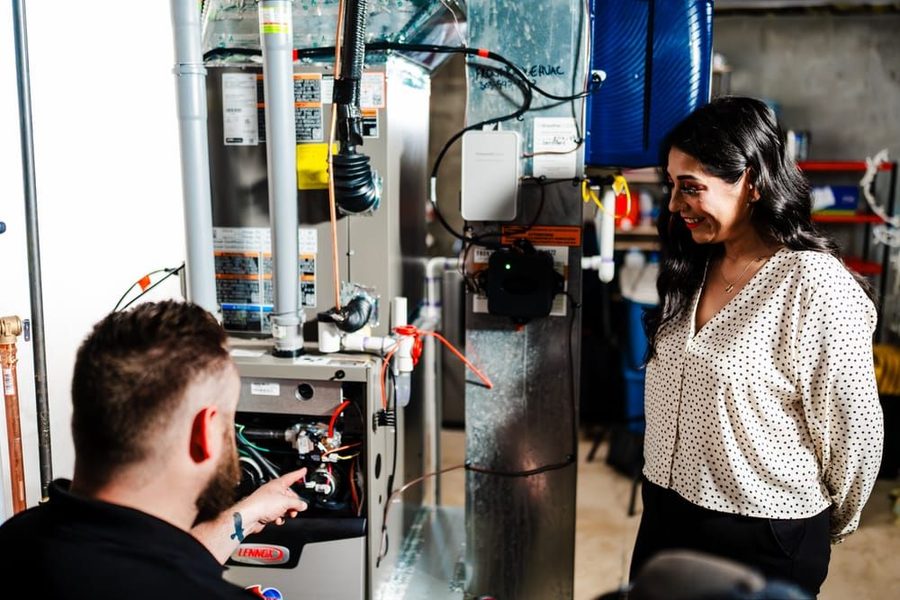
Complete Furnace Services for Denver-Area Homes
Furnaces require different types of care throughout their service lives. A newer system may only need a furnace tune-up and airflow correction, while older equipment may require component repairs or a complete replacement.
Our furnace services include:
- Furnace repair and troubleshooting
- Gas furnace repair
- Electric furnace services
- Furnace replacement
- New furnace installation
- Electric furnace installation
- Seasonal furnace maintenance
- Furnace tune-ups and safety inspections
- Thermostat and control service
- Airflow and ductwork evaluation
Our technicians evaluate the complete heating system rather than focusing only on the first visible symptom. That includes checking the furnace, thermostat, filtration, electrical components, fuel delivery, venting, and airflow through the home.
Furnace Repair in Metro Denver
A furnace does not have to stop completely before it needs repair. Delayed ignition, weak airflow, repeated cycling, unusual noises, and rooms that never become comfortable can all point to a developing problem. Addressing these warning signs early may prevent a no-heat call during colder weather.
Schedule furnace repair if you notice:
- The furnace does not start or produce heat
- The system turns on and off too frequently
- Airflow from the vents is weak
- Some rooms remain colder than others
- The blower runs without delivering warm air
- The furnace makes banging, scraping, rattling, or buzzing noises
- The thermostat setting and indoor temperature do not match
- A breaker trips or the system repeatedly loses power
- Heating costs rise without a clear explanation
- The furnace produces unusual odors
These symptoms can result from a dirty flame sensor, failed igniter, worn blower components, electrical problems, airflow restrictions, thermostat issues, limit-switch faults, or other equipment problems. If control problems are contributing to inconsistent temperatures or improper cycling, we can also determine whether smart thermostat installation is appropriate for the system.
If a gas furnace shows signs of unsafe combustion, venting problems, or a possible carbon monoxide concern, turn the system off, leave the home if necessary, and seek immediate assistance. Heating problems involving fuel-burning equipment should never be treated as routine DIY repairs.
Gas Furnace Repair and Combustion Performance
Gas furnaces remain common throughout Metro Denver, but local elevation makes correct combustion setup especially important. Furnaces must be installed and adjusted according to manufacturer requirements for high-altitude operation. Improper gas input, venting, or combustion can affect heating capacity, efficiency, reliability, and safety.
During gas furnace repair, we may inspect:
- Ignition and burner operation
- Flame sensor condition
- Gas pressure and furnace input
- Heat exchanger condition
- Venting and combustion air
- Safety switches and system controls
- Blower operation and temperature rise
- Carbon monoxide and combustion performance
A furnace that lights and runs is not necessarily operating correctly. Short cycling, burner shutdowns, excessive temperature rise, or uneven flame patterns can indicate a problem that requires further testing. Because filtration and ventilation can also influence household comfort, we may recommend related indoor air quality services when the concern extends beyond furnace operation.
Electric Furnace Services
Electric furnaces do not use burners, gas valves, or combustion venting, but they still contain components that can fail under heavy heating demand. Heating elements, sequencers, relays, limit switches, blower motors, wiring, and breakers all influence system performance.
Our electric furnace services include diagnostics, component repair, maintenance, replacement, and electric furnace installation. If an electric furnace is running without producing enough heat, only heating intermittently, or tripping a breaker, we can determine whether the problem is within the furnace, thermostat, airflow system, or electrical supply.
Electric furnaces can place a substantial load on a home’s electrical system. Replacement and installation should include verification of circuit capacity, wiring, disconnects, and panel compatibility. When the existing service cannot safely support the new equipment, our team can complete the necessary electrical panel upgrade as part of the project.
Furnace Replacement and New Furnace Installation
Furnace replacement may be appropriate when an older system becomes unreliable, requires frequent repairs, or can no longer heat the home evenly. A new furnace should be selected based on the home’s heating requirements rather than simply matching the capacity of the old unit.
Oversized equipment can heat the area near the thermostat quickly and shut off before warmth reaches more distant rooms. Undersized equipment may run excessively during Denver’s colder conditions. Both situations can increase wear and leave the home uncomfortable.
When planning a furnace installation, we consider:
- The home’s size, insulation, air leakage, and window exposure
- Existing ductwork and return-air capacity
- Furnace output at Denver’s elevation
- Gas, electrical, and venting requirements
- Single-stage, two-stage, or variable-speed operation
- Thermostat and zoning compatibility
- Filtration and indoor air quality needs
- Whether an attached air conditioner or heat pump must be matched to the system
Older Denver bungalows, mid-century homes, finished basements, additions, and multi-level houses can each present different airflow challenges. We evaluate how heat currently moves through the home so a new furnace does not inherit unresolved problems from the previous system.
What to Expect During Furnace Installation
Professional furnace installation includes removing the old equipment, preparing the mechanical space, and connecting the new system to the home’s ductwork, fuel or electrical supply, venting, condensate drainage, and thermostat controls.
When a furnace shares an indoor coil and blower with a central air conditioning system, the heating and cooling components must be evaluated together. Equipment compatibility, blower capacity, coil sizing, and control settings can all affect performance in both seasons.
Once the new furnace is installed, our technicians test system startup, safety controls, airflow, temperature rise, blower operation, and thermostat communication. Gas furnace installations also require verification of combustion and venting. Electric furnace installations require confirmation that the equipment and electrical supply are properly matched.
We finish by reviewing system operation, filter requirements, thermostat settings, and recommended maintenance. Homeowners comparing a furnace with an electrified heating option can also ask about heat pump systems, including dual-fuel configurations that pair a heat pump with a gas furnace.
When to Repair or Replace a Furnace
A repair can be the right choice when the furnace is otherwise dependable and the failed component can be replaced safely and economically. Replacement becomes more reasonable when repair costs are increasing, major components are deteriorating, or the system no longer meets the home’s heating needs.
Factors we consider include:
- Furnace age and overall condition
- Type and cost of the needed repair
- Repair history
- Heat exchanger condition
- Availability of replacement parts
- Heating performance and energy use
- Airflow and comfort throughout the home
- Plans for other HVAC upgrades
We explain the condition of the system and provide clear options. The goal is to help you make a practical decision, not to recommend furnace replacement when a sound repair can restore reliable operation.
Furnace Tune-Ups and Preventive Maintenance
Furnace maintenance helps prepare the system for sustained winter operation. A tune-up also gives our technicians an opportunity to identify worn components, airflow restrictions, ignition problems, and safety concerns before they cause a breakdown.
A professional furnace tune-up may include:
- Testing startup and heating cycles
- Inspecting burners or electric heating elements
- Checking ignition and flame-sensing components
- Inspecting the heat exchanger
- Testing electrical connections and safety controls
- Checking blower operation
- Measuring airflow and temperature rise
- Inspecting venting and combustion performance
- Checking the filter and return-air path
- Confirming thermostat operation
Denver’s dry, dusty conditions can contribute to filter loading and buildup within the system. Restricted airflow forces the blower to work harder and can cause excessive furnace temperatures, limit-switch trips, reduced comfort, and premature component wear. When winter dryness is also affecting comfort, woodwork, or static levels inside the home, a properly installed whole-home humidifier can work with the furnace’s duct system to add controlled moisture.
Annual furnace maintenance is best completed before extended cold weather places the system under its heaviest demand. Homeowners who want recurring inspections and tune-ups can include their heating equipment in the Heart Care Plan.
Furnace Airflow and Comfort Problems
When one room stays cold, replacing the furnace is not always the answer. The cause may be undersized returns, closed or restricted ducts, duct leakage, poor balancing, an incorrectly selected blower speed, or changes made during a remodel.
Our technicians evaluate how the furnace and duct system work together. We also assess thermostat placement and controls when the system shuts off before other parts of the home become comfortable. Correcting the underlying airflow problem can improve comfort while reducing unnecessary strain on the furnace.
Professional Solutions That Put You First
We provide reliable, people-first service designed to meet your unique needs with care and professionalism. Our team is committed to delivering consistent results, clear communication, and dependable support you can trust. From start to finish, we focus on quality, responsiveness, and building lasting relationships through service delivered with heart.Furnace Service From Local Heating Professionals
Our team understands how Denver’s elevation, weather shifts, dry conditions, housing stock, and long winter heating cycles affect furnace performance. We bring that local experience to every repair, tune-up, replacement, and installation.
Heart Heating, Cooling, Plumbing & Electric provides gas and electric furnace service throughout Metro Denver. If your furnace is underperforming, has stopped heating, or is due for maintenance, schedule service with our team today.

Special Offer
$39
HVAC Precision Tune-UpFull system inspection, safety check, and efficiency review.
Offer cannot be combined with any other promotions, discounts, or special offers. Terms and conditions may apply.
Expires: October 31, 2026
Expires: October 31, 2026
Send Us A Message
Frequently Asked Questions
Reliable, High-Quality Service You Deserve
what people are saying
Quality Service Backed by Real Reviews
Dianne Montoya
2 days ago

We purchased our furnace from Heart a couple of years ago. I had regular maintenance done and they went above and beyond. Highly recommend.
Zachary Blackburn
2 days ago
We love being members of Heart. Today, Morgan came out for a fix on our leaky sink and also helped with a cloggy tub. He was extremely knowledgeable and efficient, and I'd have Morgan back out to our house any time!
E Beuler
2 days ago
Larry was as excellent as all their other technicians. He explained what he was connecting electrically. All personnel are terrific! Won’t ever think about using anyone else in the future. I feel very valued as a customer too!
Trenton Barrance serviced my furnace this year and I was equally impressed with his work and communication with me !
Trenton Barrance serviced my furnace this year and I was equally impressed with his work and communication with me !
Bernadette Dixon
3 days ago
Eli and Jeremiah,were AMAZING did such a great job I will definitely share my experience with them to all that are looking for plumbing issues.
Gordon Reichal
4 days ago
Professional service. A pleasure to deal with their focus on integrity and quality service.
Maury Kroopnick
6 days ago
Knowledgeable, educational, helpful,
quentin Lewis
6 days ago
Nick was methodical. Didn't rush into a diagnosis that probably would've cost more. He was awesome!!
Laura Bernstein
6 days ago
The team was great! I reached out when my furnace wouldn’t start and heard back right away. They got Joel out to my house within an hour. He took apart the furnace and confirmed that unfortunately it was toast, but got me set up with a quote for what I really wanted, which was a whole new Heat pump system. Victor and Joel got the old furnace out and Nick and the install team got the new one in place with the heat pump. It was a long, late day for the team, but I finally am heating my house again.
Carla Beckman
7 days ago
Thanks for sending Joel Ramirez to get my furnace running. Joel is professional, competent, pleasant, efficient.
James Rush
7 days ago
Eli did a wonderful job that was one thing after another. He was professional and courteous and did his job well.
Avery Oaks
7 days ago
Just did our plumbing in COS, nothing but professional and amazing workers. Would recommend this company to anyone!
J C
7 days ago
Nick did a fantastic job diagnosing our furnace problem and providing an effective solution.
D. Askew
7 days ago
We just had our furnace serviced, getting ready for winter. The young man that performed our maintenance serviceing, Trenton Barrance, was professional, very personable and very thorough. He made the whole experience a positive one.
Richard Quinlan
1 week ago
I am totally impressed by your tech as he is a true professional who knows his trade and does great work. My evap cooler is now protected for the winter and more importantly my furnace witl keep me warm this winter
Angel Renee
1 week ago
Excellent service! The company was incredibly prompt and came out the very next day. Joel was very nice and took the extra time to explain everything to me. I learned so much more about my HVAC system thanks to him—highly recommend!
Kathy Harmon
1 week ago
David did a great job! He explained everything along the way and the result is phenomenal.
Kevin Simard
1 week ago
Justin A, Justin C, Ryan S, Richard S, thanks for the professional install of our hot water heater! Also Richard B for the Hvac maintenance. Top notch team!
Update:
We had a code flashing on our furnace at 11pm last night. Called Heart at 7:30am the following morning, Trenton Barrance was here before 9:30am. He inspected the furnace and stayed for a while making sure the code didn't pop up again. Thanks again Trenton & Heart.
Update:
We had a code flashing on our furnace at 11pm last night. Called Heart at 7:30am the following morning, Trenton Barrance was here before 9:30am. He inspected the furnace and stayed for a while making sure the code didn't pop up again. Thanks again Trenton & Heart.
Kenneth Sheehan
1 week ago
Daniel (plumbing) and Joel (HVAC) did an excellent job as usual.
I have been a member of Heart's maintenance program for many years and it is very much worth it.
I have been a member of Heart's maintenance program for many years and it is very much worth it.
Get In Touch With Heart Heating, Cooling, Plumbing, Electric
Full Service Home Comfort
Heating, cooling, plumbing, and electrical services come together to support comfort, safety, and reliability throughout your home. From routine care to repairs and system upgrades, each service is handled with attention to detail and a focus on long term performance. Trusted solutions help keep everything running smoothly through every season.