FREE Dispatch Fee on Any Drain Call



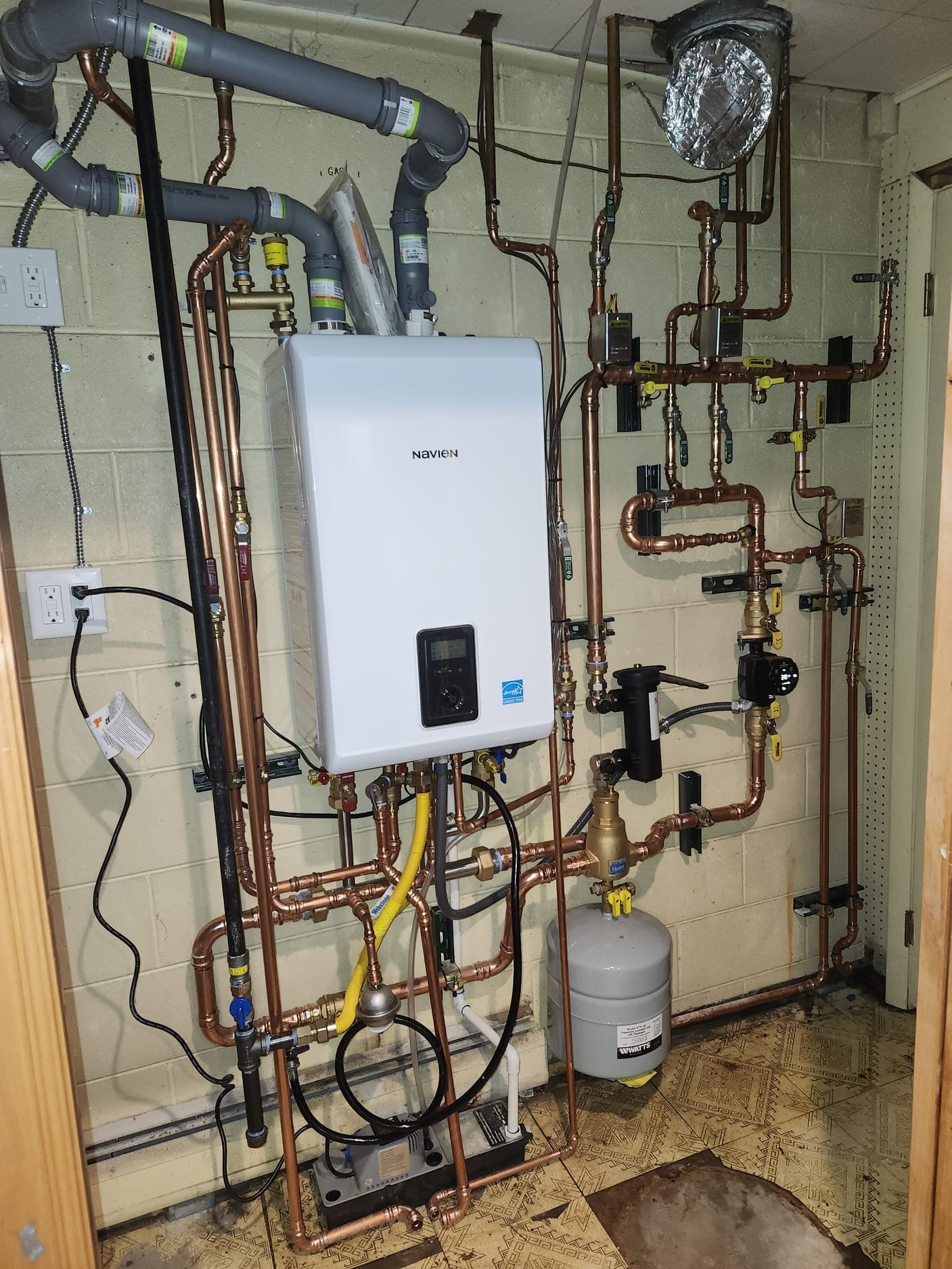
Boilers provide steady, even heat that works especially well in Denver-area homes with radiators, baseboards, radiant floors, or other hydronic heating systems. When properly designed and maintained, a boiler can deliver dependable comfort without moving heated air through ductwork. However, local elevation, freezing winter temperatures, older piping, and the condition of the home all affect how well the system performs.
Heart Heating, Cooling, Plumbing & Electric provides complete boiler service throughout Metro Denver. We repair existing systems, replace aging equipment, perform preventive boiler maintenance, and install new boilers for central heating applications. Our technicians work with traditional and high-efficiency boilers connected to radiators, baseboards, radiant floors, and zoned hydronic systems.
Whether your boiler has stopped heating, is losing pressure, or is no longer reliable enough for another winter, we can evaluate the complete system and explain your repair and replacement options.
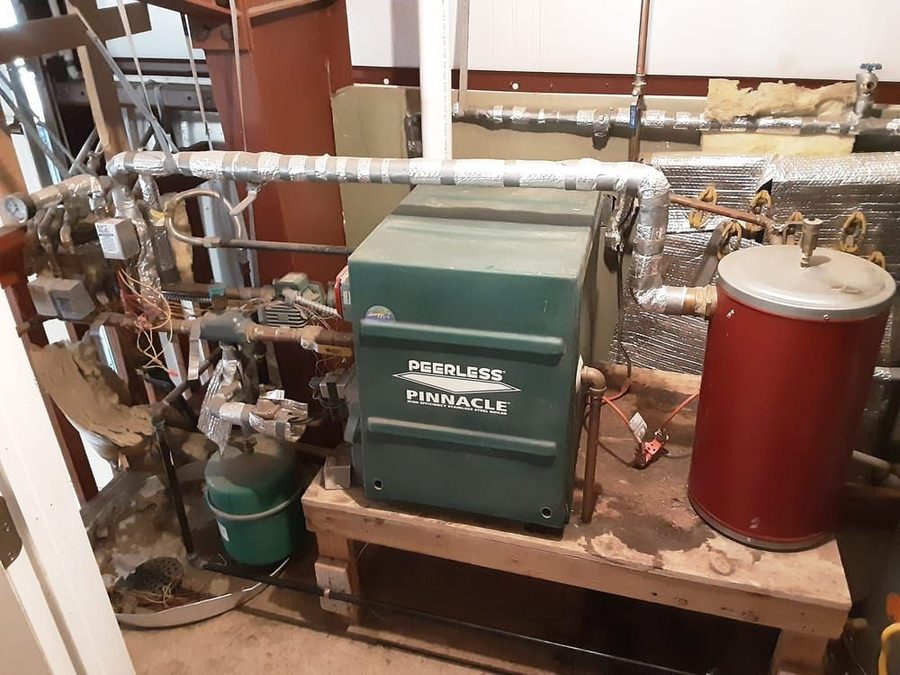
Boiler Services for Denver-Area Homes
A boiler is only one part of a hydronic heating system. Reliable performance also depends on the circulator pumps, expansion tank, valves, controls, piping, venting, and heat emitters that distribute warmth through the home.
Our boiler services include:
-
Boiler repair and system diagnostics
-
New boiler installation
-
Boiler replacement
-
Preventive boiler maintenance
-
Boiler tune-ups and safety checks
-
Gas and high-efficiency boiler service
-
Circulator pump and zone-valve repair
-
Expansion tank and pressure-control service
-
Radiator, baseboard, and radiant-system evaluations
-
Thermostat and boiler-control troubleshooting
As part of our complete HVAC services, we evaluate how the boiler and distribution system operate together. This helps us identify whether the problem begins at the boiler or elsewhere within the central heating system.
Boiler Repair in Metro Denver
Boiler problems do not always begin with a complete loss of heat. A system may continue running while certain rooms remain cold, pressure fluctuates, or operating noises become more noticeable. These changes can indicate a developing problem with circulation, controls, combustion, or system pressure.
Schedule boiler repair if you notice:
-
The boiler does not start or produce heat
-
Radiators or baseboards remain cold
-
Some heating zones work while others do not
-
Boiler pressure repeatedly drops or rises
-
Water collects near the boiler or connected piping
-
Pipes, radiators, or the boiler make banging or gurgling noises
-
The system turns on and off too frequently
-
A circulator pump becomes noisy or stops operating
-
The pilot or burner will not remain lit
-
The boiler displays a recurring fault code
-
Heating costs rise without a clear explanation
These symptoms can result from failed circulator pumps, leaking valves, trapped air, faulty zone controls, ignition problems, low system pressure, expansion-tank failure, or scale and sediment within the system. Our technicians test the relevant components before recommending a repair.
Water near the boiler should not be ignored. Even a small leak can lead to pressure loss, corrosion, equipment damage, or problems within the surrounding mechanical space. When the source is not immediately visible, our broader leak detection services can help identify concealed water loss beyond the boiler cabinet.
Diagnosing Hydronic Heating Problems
Boiler diagnostics require an understanding of how heat moves through the entire hydronic system. A boiler may fire normally while a failed circulator, closed valve, air-bound loop, or control problem prevents heated water from reaching part of the home.
Depending on the symptoms, our evaluation may include checking:
-
Boiler pressure and temperature
-
Ignition and burner operation
-
Circulator pumps
-
Expansion tank condition
-
Zone valves and control boards
-
Aquastats and safety controls
-
Supply and return water temperatures
-
System piping and visible connections
-
Radiator, baseboard, or radiant-loop performance
-
Venting and combustion air
-
Condensate drainage on high-efficiency boilers
-
Thermostat communication
This process helps distinguish a boiler failure from a circulation, zoning, piping, or control issue. We explain what we find and recommend repairs based on the system’s condition, age, and expected remaining service life.
Boiler Installation for Metro Denver Homes
Boiler installation requires more than selecting equipment with a similar capacity to the existing unit. The new boiler must be matched to the home’s heating load, hydronic piping, radiation capacity, fuel supply, venting, and control strategy.
When planning a central heating installation, we consider:
-
The home’s size, insulation, windows, and heat loss
-
Denver’s winter design conditions and local elevation
-
Existing radiators, baseboards, or radiant-floor loops
-
The number and layout of heating zones
-
Boiler water temperatures required by the system
-
Gas-line capacity and electrical requirements
-
Venting and combustion-air options
-
Circulator and expansion-tank sizing
-
Condensate disposal for high-efficiency equipment
-
Thermostat and outdoor-reset controls
Older Denver homes may have cast-iron radiators or baseboard systems designed around higher water temperatures. Other properties have remodeled spaces, additions, or partially updated piping that create uneven flow between zones. These conditions must be understood before installing new equipment.
Homeowners planning to install a central heating system in a property without an existing boiler also need a complete distribution design. The project may require new piping, radiators, baseboards, or radiant loops in addition to the boiler itself. We evaluate the complete scope before recommending equipment.
High-Altitude Boiler Installation
Metro Denver’s elevation affects the combustion and heating output of gas-fired equipment. Boiler installation must follow manufacturer requirements for high-altitude operation, including any required adjustments to gas input, combustion settings, venting, or equipment configuration.
Our installation process includes testing combustion, verifying gas pressure, confirming venting performance, and checking that the boiler operates within the manufacturer’s specified range. If a new boiler requires changes to the home’s fuel supply, our gas line services can address the necessary piping and capacity.
Correct high-altitude setup supports safe combustion, reliable ignition, and expected heating performance. Simply connecting a new boiler without commissioning it for local conditions can lead to recurring faults, reduced output, or premature equipment wear.
Boiler Replacement
Boiler replacement may become more practical when an older system requires frequent repairs, has significant corrosion, or can no longer heat the home reliably. Replacement can also address outdated controls, inefficient operation, or difficulty obtaining parts.
We may recommend comparing repair and replacement when:
-
Major components are failing
-
The boiler has developed recurring leaks
-
Repair costs are becoming difficult to justify
-
Replacement parts are obsolete or unavailable
-
The system requires frequent pressure adjustments
-
Heating has become uneven despite repeated repairs
-
Fuel use has increased significantly
-
The boiler is improperly sized for the home
-
Renovations have changed the building’s heating load
A new boiler does not necessarily require replacing every radiator or section of hydronic piping. We inspect the existing distribution system to determine which components remain serviceable and which should be updated during the replacement.
Choosing the Right Boiler System
The right boiler depends on the home and the type of heat distribution already in place. Equipment efficiency is important, but it must be considered alongside operating temperatures, piping design, venting, and control compatibility.
Gas Boilers
Gas boilers heat water that circulates through the home’s hydronic system. Correct fuel input and combustion setup are particularly important at Denver’s elevation. We service and install traditional and high-efficiency gas-fired equipment.
High-Efficiency Condensing Boilers
Condensing boilers recover additional heat from combustion gases and can provide efficient operation when the system is properly designed. Their performance depends partly on return-water temperatures, making system compatibility important when connecting one to older radiators or baseboards.
Zoned Hydronic Systems
Zoned systems allow different areas of the home to call for heat independently. Zone valves, circulators, control boards, and thermostats must be configured so each zone receives adequate flow without causing boiler short cycling.
Homeowners comparing hydronic heat with other options can also review our furnace services and heat pump services. Each system heats the home differently, and the best choice depends on existing infrastructure, fuel availability, comfort preferences, and project scope.
What to Expect During Boiler Installation
A professional boiler installation includes removing the old equipment when necessary, preparing the mechanical space, and connecting the new boiler to the home’s piping, fuel supply, electrical service, venting, condensate drainage, and controls.
Our installation process may include:
-
Evaluating the existing boiler and distribution system
-
Calculating the home’s heating requirements
-
Selecting the appropriate boiler and controls
-
Inspecting piping, pumps, valves, and the expansion tank
-
Removing old equipment
-
Installing and connecting the new boiler
-
Filling, purging, and pressurizing the system
-
Testing each heating zone
-
Verifying combustion and venting
-
Confirming temperature and pressure operation
-
Explaining controls and maintenance requirements
Before completing the work, we verify that heated water circulates correctly through the system and that each zone responds to its thermostat. When updated controls are part of the project, we also confirm whether the boiler is compatible with a smart thermostat or requires specialized hydronic controls.
Boiler Maintenance and Tune-Ups
Boiler maintenance helps prepare the system for sustained winter operation and identify developing problems before they cause a loss of heat. A boiler tune-up should evaluate both the heating appliance and the components responsible for moving water through the home.
Professional boiler maintenance may include:
-
Inspecting ignition and burner operation
-
Checking combustion and venting
-
Testing boiler pressure and temperature
-
Inspecting pumps, valves, and controls
-
Checking the expansion tank
-
Looking for leaks and corrosion
-
Inspecting condensate drainage
-
Testing safety controls
-
Purging trapped air when needed
-
Confirming thermostat and zone operation
-
Evaluating overall heating performance
Routine boiler service is especially valuable before colder weather arrives. Denver’s rapid temperature changes can place a system under heavy demand with little warning, and problems that were not noticeable during mild weather may become obvious once the boiler begins running longer cycles.
Homeowners who want recurring boiler maintenance can ask whether their equipment can be included in the Heart Care Plan.
Professional Solutions That Put You First
We provide reliable, people-first service designed to meet your unique needs with care and professionalism. Our team is committed to delivering consistent results, clear communication, and dependable support you can trust. From start to finish, we focus on quality, responsiveness, and building lasting relationships through service delivered with heart.Call for Local Boiler Service
Boiler systems are less forgiving of guesswork than many forced-air systems. A repair that restores burner operation may not correct poor circulation, improper pressure, or a control problem elsewhere in the system. A replacement boiler may also underperform if it is connected without accounting for existing radiation, water temperatures, zoning, and Denver’s elevation.
Heart Heating, Cooling, Plumbing & Electric provides boiler repair, replacement, installation, and maintenance throughout Metro Denver. We evaluate the full central heating system, explain what is affecting performance, and recommend work that supports reliable heat through Colorado’s colder months.
Schedule boiler service if your system has stopped heating, is becoming unreliable, or needs maintenance before winter.

Special Offer
$39
HVAC Precision Tune-UpFull system inspection, safety check, and efficiency review.
Offer cannot be combined with any other promotions, discounts, or special offers. Terms and conditions may apply.
Expires: September 30, 2026
Expires: September 30, 2026
Send Us A Message
Frequently Asked Questions
Reliable, High-Quality Service You Deserve
what people are saying
Quality Service Backed by Real Reviews
James Vansandt
4 days ago

He fixed our sink and snaked the pipes. A professional and friendly person - we would welcome him for any future projects.
Bryan Penny
4 days ago
Great service from Richard. Good information and efficient
ShaKayla Howard
4 days ago
Ben was very helpful and knowledgeable!
Debbie Owens
4 days ago
Fairly priced with quick service. Extremely knowledgeable about boilers. Couldn’t be happier💕
Bob Davenport
5 days ago
Very professional and helpful clearing my GFCI and completing my electrical inspection.
Joanna Massara
7 days ago
Joel R went above and beyond to adjust and explain things to me, a technology inept baby boomer. He is truly a competent and patient man that i would highly recommend.
Alexander Broxton
7 days ago
Justin Covington with plumbing was great! Super friendly and informative. Ended up letting us know some things we could fix on our own so our bill wasn't so high. I've always appreciated the Heart Professionals telling me the truth instead of trying to charge for unnecessary services. Thank you Justin for your honestly and education! I highly recommend Heart for plumbing, hvac and electric!
Paula Thompson
7 days ago
We scheduled our annual furnace inspection with Heart heating and cooling. Our technician Joel was awesome. He sent a text letting us know he was on his way that included a tracker so we could see exactly when he would arrive. He explained every thing he was going to do in great detail and discussed his findings with us. We highly recommend this company!
Maureen Murphy
1 week ago
Very helpful information about how I can save money on my electric bill.
joey crihfield
1 week ago
Justin, Victor, Josh and Victor G were incredible they came out and nicked the installation of my new system out in a day. They were extremely polite and answered all my questions. 100/10 would recommend Heart and this crew to anyone who needs ac work!
Morris Elkins
1 week ago
The technician was professional, knowledgeable and courteous
Chris Cooley
1 week ago
Trenton was on time for our appointment and did a great job servicing our furnace and AC
Deborah Stewart
1 week ago
Technician was stellar! Truly he took his time and explained it all to me. He made sure I was comfortable with the services we needed as well as what we may need in future! Very good experience using Heart!
Jim Berry
1 week ago
Professional and friendly service.
Dustin Clark
1 week ago
Joel, Victor, Jon, Justin, and Will were professional and polite through the whole process of our new AC/Furnace installation.
Tom Pavlik
1 week ago
Joseph and the service was great. Very knowledgeable and explained everything to me. Highly recommend him
janet Crowder
1 week ago
Daniel C was amazing. So knowledgeable and friendly. Everyone at Heart is great to work with.
Steve Thomas
1 week ago
Very professional…. Thorough, respectful and clean, the follow-up inspections and service were included in our original installation. Highly recommended
Get In Touch With Heart Heating, Cooling, Plumbing, Electric
Full Service Home Comfort
Heating, cooling, plumbing, and electrical services come together to support comfort, safety, and reliability throughout your home. From routine care to repairs and system upgrades, each service is handled with attention to detail and a focus on long term performance. Trusted solutions help keep everything running smoothly through every season.