


Heart Heating, Cooling, Plumbing & Electric provides residential electrical repair, installation, maintenance, and system upgrades throughout Metro Denver. Our licensed electricians troubleshoot active problems, install new electrical equipment, replace aging components, and evaluate systems that no longer meet the needs of the home.
Denver-area properties include older houses with generations of electrical alterations, mid-century homes built for smaller loads, finished basements added after original construction, and newer homes supporting extensive electronics and high-demand equipment. We approach each project according to the home’s actual wiring, electrical capacity, and intended use.
Complete Residential Electrical Services
Our electricians work throughout the residential electrical system, from individual devices to the equipment that distributes power across the home.
Our electrical services include:
-
Electrical troubleshooting and repair
-
New electrical installation
-
Electrical system upgrades
-
Preventive electrical maintenance
-
Circuit and wiring corrections
-
Dedicated circuit installation
-
Panel and breaker work
-
Grounding and bonding corrections
-
Interior and exterior electrical projects
-
Electrical safety evaluations
-
Support for remodeling and equipment upgrades
-
Replacement of damaged or outdated components
Electrical work should address the source of a problem, not simply replace the first component that stops working. We evaluate the affected circuit and related equipment before recommending a repair or installation.
Electrical Repair in Metro Denver
Electrical problems can appear as intermittent power, flickering lights, repeated breaker trips, warm devices, unusual sounds, or equipment that no longer operates correctly. Some failures are isolated. Others point to a loose connection, overloaded circuit, damaged conductor, grounding problem, or aging distribution equipment.
We provide electrical repair for symptoms such as:
-
Partial or complete loss of power
-
Lights that flicker or dim unexpectedly
-
Breakers that trip repeatedly
-
Outlets or switches that stop working
-
Electrical buzzing or crackling
-
Warm wall plates or panel components
-
Burning or overheated odors
-
Visible sparks or discoloration
-
Equipment that loses power under load
-
Circuits affected by moisture
-
Wiring damaged during construction
-
Problems following a previous repair or remodel
Troubleshooting begins by confirming when and where the issue occurs. We then isolate the affected circuit, test the relevant components, and determine whether the repair should be limited to one connection or expanded to address a broader condition.
If an electrical device is smoking, visibly arcing, or producing a strong burning odor, avoid using it and disconnect power if that can be done safely. Active fire, severe sparking, or immediate danger requires emergency assistance.
Electrical Installation and Home Upgrades
New electrical installation should be planned around the equipment being added and the capacity of the existing system. Adding a device without considering its load can create nuisance tripping, voltage problems, overheated connections, or an unreliable installation.
Residential electrical installation may support:
-
Home renovations
-
Basement finishing
-
Kitchen updates
-
Home offices
-
Appliance additions
-
Outdoor living spaces
-
Workshops and garages
-
New lighting layouts
-
Heating and cooling equipment
-
Electric vehicle charging
-
Smart-home technology
-
Accessibility improvements
Before beginning work, we evaluate the proposed equipment, circuit requirements, available panel capacity, wiring route, protection requirements, and how the new installation will interact with the rest of the home.
Electrical Maintenance and Preventive Care
Residential electrical systems do not require maintenance in the same way as mechanical equipment, but they should not be ignored until a failure occurs. Connections can loosen, devices wear out, exterior components deteriorate, and household demand can change substantially over time.
Preventive electrical maintenance may include:
-
Inspecting accessible panel components
-
Checking for signs of overheating
-
Testing GFCI and AFCI protection
-
Evaluating frequently used switches and outlets
-
Checking exterior electrical equipment
-
Reviewing grounding and bonding
-
Confirming breaker and circuit compatibility
-
Identifying damaged covers or enclosures
-
Evaluating changes made during previous renovations
-
Testing life-safety electrical devices
Electrical maintenance is especially valuable before a major renovation, after purchasing an older home, when adding high-demand equipment, or when several small electrical symptoms begin appearing in different areas.
Electrical Needs Common to Denver-Area Homes
Metro Denver’s housing stock includes properties built across many different electrical eras. A single home may contain original wiring, later panel work, remodeled kitchens, finished basements, and newer circuits added for modern equipment.
Our electricians account for conditions such as:
-
Older wiring and limited original circuit capacity
-
Two-prong receptacles or incomplete grounding
-
Electrical alterations made during past remodels
-
Basements converted into occupied living space
-
Detached garages and workshops
-
Exterior devices exposed to snow and moisture
-
Increased cooling loads during hot weather
-
Portable heater use during cold snaps
-
New heat pumps and electric appliances
-
EV charging and other electrification projects
-
Sensitive electronics exposed to voltage fluctuations
-
Panels with limited space for additional circuits
Large temperature swings can also expose marginal connections and heavily loaded circuits. Electrical demand may rise quickly during the first major heat wave or cold snap, revealing problems that were not noticeable during milder weather.
Electrical Panels
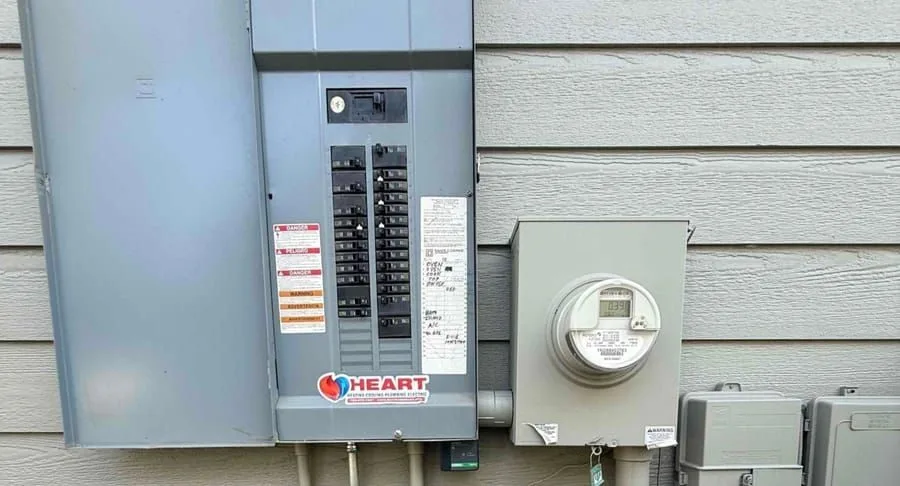
The electrical panel receives incoming power and distributes it through protected branch circuits. Its capacity, condition, configuration, and available breaker spaces affect nearly every major electrical upgrade in the home.
Electrical panel repair and replacement may be appropriate when equipment is damaged, capacity is limited, circuits have been altered improperly, or the home is being prepared for significant new electrical demand. Panel work should be based on the condition and requirements of the system rather than age alone.
Circuit Breakers
Circuit breakers protect wiring from excessive current and respond to overloads, short circuits, and certain fault conditions. A breaker that trips repeatedly may be doing its job in response to a problem elsewhere on the circuit.
Circuit breaker installation and replacement requires correct compatibility with the panel, conductor size, connected load, and required circuit protection. Installing a larger breaker is not an acceptable substitute for correcting overloaded or undersized wiring.
Switches and Outlets
Switches and receptacles wear with regular use and can also reveal problems with the wiring behind them. Loose plug connections, warmth, intermittent power, failed GFCI devices, and unreliable switches should be evaluated before damage progresses.
Our switch and outlet services include repair, replacement, new device installation, GFCI protection, dimmers, smart controls, and receptacles selected for specific household uses.
Lighting Installation
Residential lighting combines fixture selection, switching, circuit design, placement, and electrical support. The correct installation depends on whether the project involves replacing one fixture or creating a new lighting layout.
Indoor and outdoor lighting installation can support kitchens, living spaces, basements, exterior entries, security needs, pathways, patios, and other areas where reliable illumination affects the use of the property.
Ceiling Fan Installation
A ceiling fan requires a properly supported electrical box, compatible wiring, correct controls, and adequate clearance. An existing light-fixture box should not be assumed capable of supporting a fan.
Professional ceiling fan installation can include new fan locations, replacement fans, lighting controls, wall switches, remote receivers, and evaluation of the ceiling structure and electrical supply.
Electric Vehicle Charger Installation
Home charging equipment can place a substantial continuous load on the electrical system. Charger output, service capacity, panel condition, circuit length, conductor size, and charging schedule all influence the installation.
EV charger installation begins with evaluating the home and charging requirements rather than simply selecting the largest available charger. Some homes can support charging with the existing system, while others require load management or electrical upgrades.
Whole-Home Surge Protection
Voltage transients can originate outside the home or from equipment operating within it. Plug-in devices provide localized protection, but they do not protect every circuit or permanently connected appliance.
Whole-home surge protection is installed at the electrical panel to create a broader layer of defense for appliances, HVAC equipment, lighting controls, computers, entertainment systems, and other electronics.
Electrical Safety Inspections
An electrical inspection provides a broader view than troubleshooting one failed device. It can identify visible defects, installation inconsistencies, outdated components, and areas that deserve correction or closer evaluation.
A whole-home electrical safety inspection can be useful when purchasing an older property, planning renovations, adding major electrical loads, or investigating several symptoms occurring across different circuits.
Smoke and Carbon Monoxide Detectors
Smoke and carbon monoxide alarms depend on correct device selection, placement, power, backup batteries, and interconnection. Finished basements, bedroom additions, altered floor plans, and fuel-burning appliances can change the protection a home needs.
Smoke and carbon monoxide detector installation can include hardwired alarms, interconnected systems, combination devices, battery backup, and replacement of aging or incompatible units.
Electrical Work for Remodeling and Electrification
Remodeling can change electrical demand even when the home’s total square footage remains the same. A kitchen update may add multiple appliances. A basement project can create bedrooms, office space, and entertainment loads. Converting gas equipment to electric may add several large circuits within a short period.
Electrical planning for these projects may involve:
-
Reviewing available service and panel capacity
-
Calculating expected new loads
-
Adding branch circuits
-
Replacing undersized or damaged wiring
-
Updating circuit protection
-
Relocating switches and receptacles
-
Coordinating fixture and equipment placement
-
Correcting work uncovered during demolition
-
Planning for future electrical additions
Completing this evaluation before finishes are installed can reduce rework and allow wiring routes, device locations, and equipment requirements to be coordinated with the overall project.
When to Schedule an Electrician
Some electrical problems remain intermittent before a complete failure occurs. Professional evaluation is warranted when:
-
A breaker trips more than once without a clear temporary cause
-
Lights dim when appliances or HVAC equipment start
-
Outlets or switches feel warm
-
Power comes and goes in part of the home
-
There is a burning or overheated odor
-
Electrical components buzz, crackle, or spark
-
A GFCI or AFCI device will not reset
-
Extension cords have become a permanent source of power
-
The panel has no room for planned equipment
-
Previous electrical work appears incomplete or inconsistent
-
The home is being remodeled or electrified
-
The electrical system has not been evaluated in many years
These symptoms do not all indicate the same repair. The purpose of electrical troubleshooting is to determine whether the source is a device, connection, circuit, load, breaker, panel, or incoming power condition.
Our Electrical Service Process
A structured service process helps ensure that repairs and installations address the complete electrical condition involved.
1. Discuss the Problem or Project
We review the symptoms, equipment, planned improvement, and any recent changes to the home.
2. Evaluate the Electrical System
The electrician examines the affected devices, circuits, panel components, and accessible wiring needed to understand the condition.
3. Explain the Findings
We identify the likely cause or installation requirements and explain the available repair or upgrade options.
4. Complete the Electrical Work
Approved work is completed using components appropriate for the circuit, equipment, and existing electrical system.
5. Test and Verify Operation
We restore power, test the completed work, and confirm that the repaired or installed equipment operates as intended.
Professional Solutions That Put You FirstWe provide reliable, people-first service designed to meet your unique needs with care and professionalism. Our team is committed to delivering consistent results, clear communication, and dependable support you can trust. From start to finish, we focus on quality, responsiveness, and building lasting relationships through service delivered with heart.
Schedule NowResidential Electricians Serving Metro Denver
Electrical systems change as homes age, renovations accumulate, and household power demands increase. Reliable service requires understanding how the panel, breakers, wiring, devices, and connected equipment work together.
Heart Heating, Cooling, Plumbing & Electric provides residential electrical repair, installation, maintenance, troubleshooting, and system upgrades throughout Metro Denver. Whether the need involves an active electrical problem, planned home improvement, or broader system evaluation, we develop the work around the property’s existing conditions and future electrical needs.
Schedule electrical service when your home needs repair, new installation, preventive evaluation, or an upgrade to support modern electrical demand.
Frequently Asked Questions
Reliable, High-Quality Service You Deserve
Contact the utility when the outage affects neighboring properties, the service line is down, the meter appears damaged, or the problem is clearly on the utility side of the connection. Call an electrician when the issue is limited to your property, individual rooms, circuits, devices, or electrical equipment. Partial power can involve either side, so the pattern of the outage helps determine who should respond.
Yes. Intermittent electrical problems can often be narrowed down by reviewing when the issue occurs, what equipment is operating, which rooms are affected, and whether weather or household demand changes the symptoms. Testing may reveal loose connections, voltage irregularities, deteriorated components, or load conditions even when the failure is not occurring continuously during the appointment.
Some repairs can be completed without a permit, while new circuits, service changes, major equipment installations, and extensive wiring projects may require permits and inspections. Requirements can differ among Denver and surrounding municipalities. The scope and property location should be reviewed before work begins rather than assuming one permitting rule applies across the entire metro area.
Not necessarily. The age of the home alone does not determine whether complete rewiring is needed. An electrician considers conductor condition, grounding, electrical capacity, previous alterations, failure history, and how the system is currently used. Some homes need targeted corrections, while others have widespread conditions that make broader replacement more practical.
Usually not. Existing electrical systems are not automatically required to be rebuilt in full whenever one component is repaired. The work being performed must meet the requirements that apply to its scope, and certain alterations can trigger related upgrades. Extensive remodeling, service changes, and changes in room use may involve broader requirements than a localized repair.
Describe the symptom, where it occurs, when it began, whether it is constant or intermittent, and what equipment was operating at the time. Mention recent renovations, appliance installations, water leaks, power outages, or previous electrical work. Photographs of visible damage and notes about which areas lost power can also help the electrician prepare, although on-site testing is still necessary.
Yes, when water reaches outlets, switches, wiring, appliances, junction boxes, or electrical equipment. Floodwater, plumbing leaks, roof leaks, and snowmelt can leave moisture and contaminants behind even after surfaces appear dry. Energizing affected components before they are evaluated can create shock, corrosion, and fault risks. The water source should be controlled before electrical restoration begins.
The electrical system must be able to supply the new load without overburdening existing conductors, circuits, or service equipment. An available physical connection does not necessarily mean adequate electrical capacity is available. Load evaluation accounts for the new equipment, other household demand, circuit ratings, and how loads may operate at the same time.
Early electrical planning can identify circuit, capacity, access, and equipment requirements before walls and ceilings are closed. It also helps coordinate device locations with cabinetry, room layouts, appliances, lighting, and mechanical equipment. In older or repeatedly remodeled homes, early evaluation can reveal existing conditions that would otherwise delay the project after construction begins.
Active hazards come first, including overheating, arcing, damaged conductors, water exposure, and unsafe connections. The next priorities are conditions affecting essential power, system reliability, or capacity for planned equipment. Convenience improvements and optional upgrades can follow once safety and functional concerns are addressed. A clear priority list helps separate urgent corrections from work that can be scheduled later.
what people are saying
Quality Service Backed by Real Reviews
(opens in a new tab)-
5 out of 5 stars
Ryan Jenks 
Great work and very professional. Highly recommend.
Ben was super helpful and did great work. Thank you! -
5 out of 5 stars
Anna Guy Richard was wonderful! He was extremely thorough in checking my furnace today. Super friendly, very prompt and explained everything he did when he wrapped up the service. And he left me a reminder about how to correctly change the filter in the future. Great job!
-
5 out of 5 stars
James Taggart Excellent and thorough service. Ben did a great job!
-
5 out of 5 stars
Marsha Asheim Both Omar and Benjamin were terrific
-
5 out of 5 stars
Bob Aragon Wow ! Ben Miller from HEART (HVAC) just left after doing me a solid on a Furnace check/tune-up. World Class Customer Service coupled with a high degree of professionalism make this an easy choice on all things HVAC going forward. No sales pitch or upcharges...only recommendations & education on the various furnace components coupled with a slew of pictures showing the testing process and the results thereof. Our furnace is only 2 1/2 years old working fine, but I know who I'm calling when issues start creeping up. Their maintenance plan also has my attention. Thank you Heart ~
-
5 out of 5 stars
Nate Paul Richard was excellent! We were so impressed, we decided to sign up for their Annual Maintenance plan. We will keep using Heart moving forward
-
5 out of 5 stars
7Pachecoresearch@hotmail.com Pacheco Eli Ode did a great job. He explained what he was doing, and showed me the tools he used. He was quick and I was back to running water in no time.
-
5 out of 5 stars
James Sinkler Richard SIMMs provided great service we will have good heat for the season!
-
5 out of 5 stars
Arlie Kendall Technician Richard Sims provided excellent service in shutting down two evaporative coolers, was efficient and friendly. Will certainly use Heart Heating again and will recommend to my neighbors! Thank you!
-
5 out of 5 stars
Rhonda Gaylord Eli Ode was awesome! He is doing my job of plumbing which is extensive and am happy it's him. His free inspection turned into his ability to cover the whole job. He worked well with me and did an outstanding job! KUDO'S to Eli Ode!!
-
5 out of 5 stars
Gaylene Hernandez Eli Ode is the best ever. As a caregiver I see first hand what my client goes through financially and when her cold water wasn't working so she could even take a shower, Levi showed up and was the most patient and courteous in explaining on how to fix everything and get it paid for. This young man deserves a raise and Eli if you read this pirates all the way!!!!!!
-
5 out of 5 stars
Kelli Law Fast response, professional install, competitive pricing, easy to work with
-
5 out of 5 stars
Eddie Quinn Omar was awesome..very professional and nice. He was done with the job in no time at all.
-
5 out of 5 stars
Wallace Knowledgeable and punctual. Victor answered all questions.
-
5 out of 5 stars
Eddie Quinn Omar was awesome..very professional and nice. He was done with the job in no time at all.
-
5 out of 5 stars
Jill Domsch Amazing service. On time, great communication throughout the visit. And Richard was our tech who spent hours and several visits troubleshooting an issue with our A/C this summer with a solution that saved us $$.
-
5 out of 5 stars
Verlene Bistline Within a few days of each other, I had a plumber come to see why my dishwasher vent was leaking and an HVAC person to shut down my swamp cooler for the winter. Both guys were great and got the job done quickly. Their prices seem pretty reasonable and I decided to become a member to get the discounts, etc. So far, I am pleased with their service.
-
5 out of 5 stars
Kathleen Matias We had James Gregory as our technician. We ask for him every time because he is kind and efficient with servicing our heater and A/C. We have the service package, so tune-ups are included in the package. We highly recommend Heart Heating.
Get In Touch With Heart Heating, Cooling, Plumbing, Electric
Full Service Home Comfort
Heating, cooling, plumbing, and electrical services come together to support comfort, safety, and reliability throughout your home. From routine care to repairs and system upgrades, each service is handled with attention to detail and a focus on long term performance. Trusted solutions help keep everything running smoothly through every season.