FREE Dispatch Fee on Any Drain Call



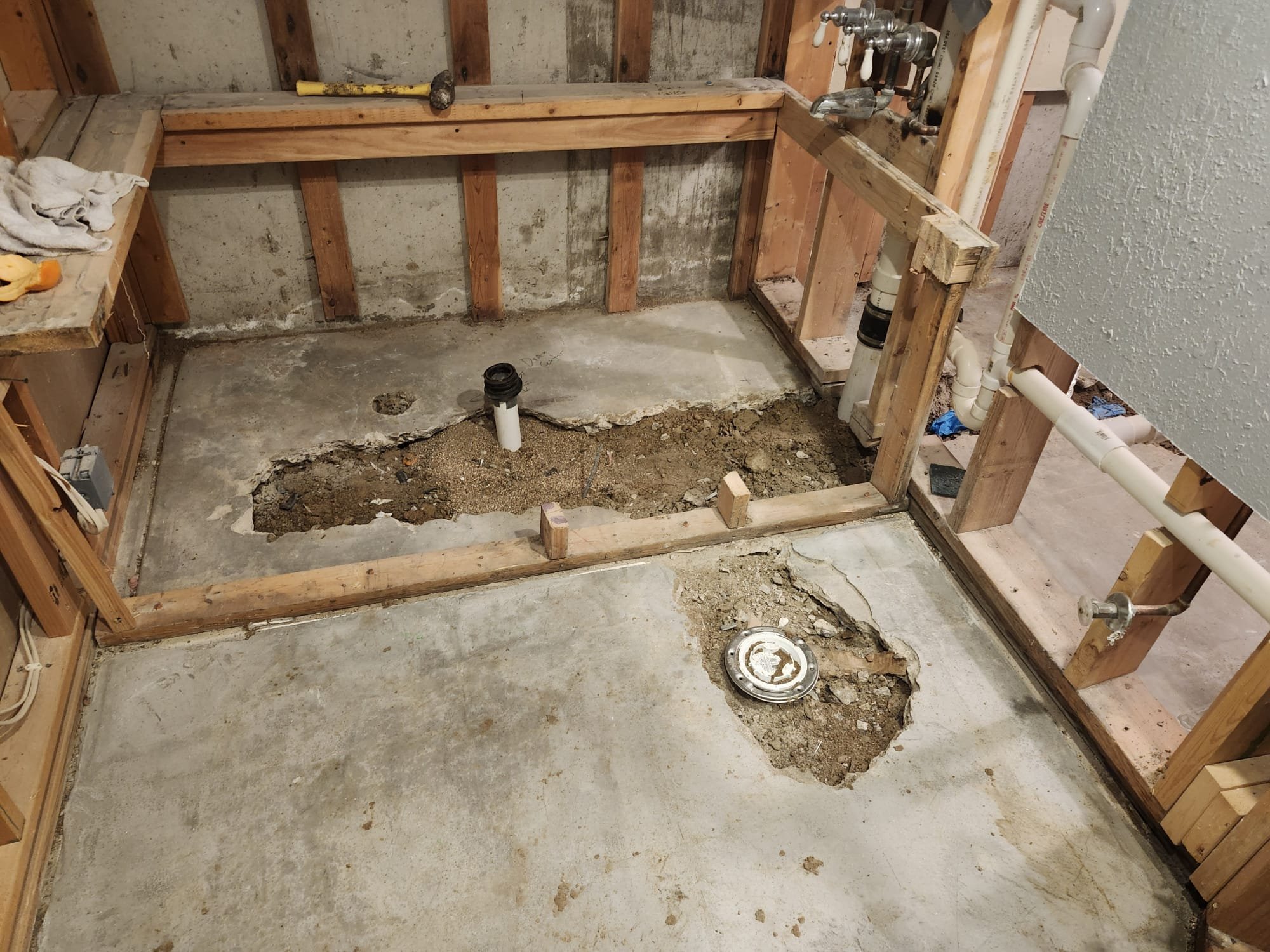
A damaged main sewer line can affect every drain in your home. Toilets may gurgle, wastewater may rise through a basement floor drain, and clogs may return soon after the line has been cleared. These problems require more than a temporary fix. They require an accurate diagnosis of the pipe’s condition, location, and ability to carry wastewater away from the property.
Heart Heating, Cooling, Plumbing & Electric provides sewer line repair, replacement, and installation throughout Metro Denver and nearby Front Range communities. We inspect the line, identify the cause and location of the failure, and explain whether cleaning, targeted repair, trenchless rehabilitation, or full replacement offers the most dependable solution.
Our sewer line work is part of Heart’s complete drain and sewer services. Whether your home has an aging clay line, deteriorated cast iron, root intrusion, a low section, or a collapsed pipe, we focus on correcting the underlying problem and restoring reliable drainage.
Complete Residential Sewer Line Services
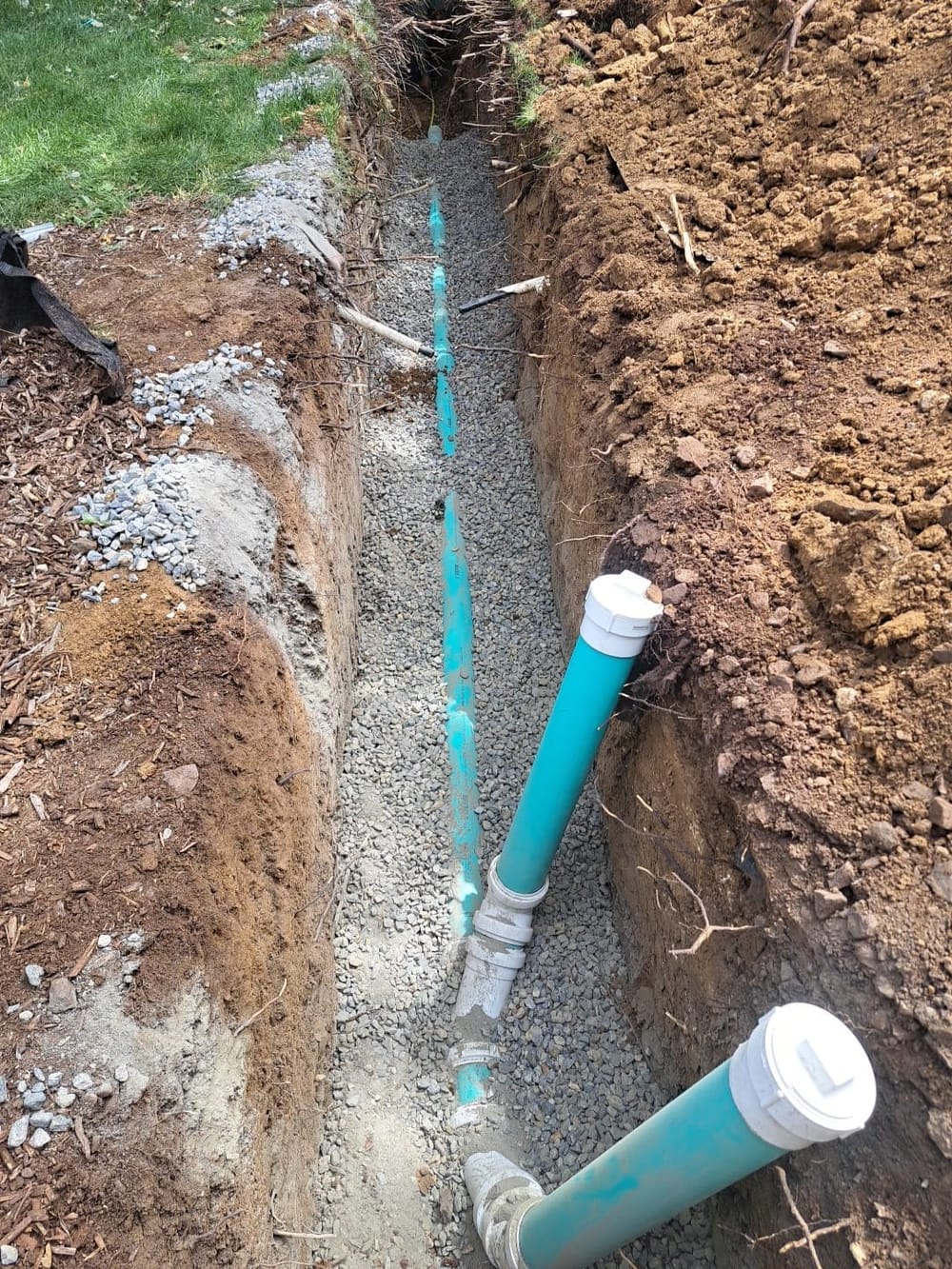
A recurring backup does not automatically mean the entire sewer line must be replaced. Some lines need cleaning. Others have one damaged section that can be repaired. Replacement is generally reserved for pipes that are too deteriorated, misaligned, or structurally compromised to support a lasting repair.
Heart provides:
- Main sewer line inspections
- Sewer line repair
- Partial sewer line replacement
- Complete sewer line replacement
- Trenchless sewer replacement
- Sewer pipe installation
- Excavation and traditional replacement
- Root intrusion removal
- Repair of cracked or separated joints
- Correction of offset or low pipe sections
- Sewer line evaluations for home purchases and renovations
- Post-repair camera verification
We consider the pipe material, depth, slope, access, surrounding soil, previous repairs, and location of the damage before recommending a solution.
Warning Signs of a Main Sewer Line Problem
One slow sink usually points to a localized fixture or branch-drain obstruction. When symptoms affect multiple fixtures, return after cleaning, or occur at the lowest drains in the home, the main sewer line may be involved.
Schedule a sewer line evaluation if you notice:
- Multiple drains slowing or backing up at the same time
- Toilets gurgling when a sink, shower, or washing machine drains
- Wastewater entering a bathtub, shower, basement drain, or floor drain
- Recurring clogs after previous drain cleaning
- Sewage odors inside the home or around the yard
- Water appearing around a basement cleanout
- Wet, soft, sunken, or unusually green areas above the sewer route
- Repeated root intrusion
- A sudden change in how quickly fixtures drain
- Sewer defects identified during a real estate inspection
- A history of repairs in several sections of the same line
If the problem is limited to buildup or an isolated blockage, professional drain cleaning may restore flow. If roots or a difficult obstruction are blocking the main line, rooter service may be needed before the pipe can be fully evaluated.
Identifying the Right Sewer Line Repair
Before recommending sewer line work, Heart determines where the failure is located and whether it affects one section or the broader line. When necessary, a sewer camera inspection can help confirm whether the problem involves roots, deterioration, a damaged connection, poor alignment, or a collapse.
Those findings allow us to distinguish a repairable defect from a line that needs more extensive replacement. Homeowners who want more information about the inspection process can visit our sewer camera inspection page.
Sewer Line Repair
A targeted repair may be appropriate when damage is confined to one portion of the sewer line and the surrounding pipe remains structurally dependable. This approach allows the serviceable sections to remain in place.
Sewer line repair may be recommended for:
- An isolated crack or break
- A separated connection
- A localized offset
- Root damage at one joint
- A failed transition between pipe materials
- A damaged section near the foundation or cleanout
- A limited area affected by soil movement
- A single defect found during an inspection
Before work begins, we locate the damaged section and assess nearby pipe conditions. After the repair, the line can be inspected to confirm that the connection is secure and wastewater is flowing correctly.
Sewer Line Replacement
Replacement becomes the more dependable choice when the existing pipe cannot be restored through cleaning or a focused repair. Depending on the condition of the system, replacement may involve one long section or the complete building sewer from the home toward the municipal connection.
Replacement may be necessary when:
- The sewer line has collapsed
- Clay piping has widespread cracking or joint separation
- Cast iron has extensive corrosion or material loss
- Several sections have failed
- The line has major offsets or missing pipe sections
- Previous repairs have not stopped recurring backups
- The pipe has lost its shape
- An improper slope prevents dependable drainage
- Roots enter through numerous joints or fractures
- The remaining pipe is too weak to support rehabilitation
Heart evaluates traditional excavation and trenchless options based on the line’s structure, depth, route, and accessibility. We explain what each approach involves so you can make an informed decision for your home and property.
Trenchless Sewer Line Options
Trenchless sewer work can reduce the amount of surface excavation needed to rehabilitate or replace an eligible line. This can be valuable when the sewer passes beneath a mature yard, patio, driveway, walkway, or established landscaping.
Not every sewer line is a candidate. Trenchless methods generally require suitable access and a pipe configuration that can support the selected process. A line that has collapsed, shifted significantly, lost its shape, or developed a serious grading problem may require excavation.
For pipes that retain adequate structure, trenchless pipe lining may create a continuous new interior surface within the existing host pipe. Lining may be considered for cracks, leaking joints, corrosion, small fractures, and root-entry points. It cannot correct every type of failure, particularly a collapse or improper slope.
When broader rehabilitation is needed, our sewer restoration services bring together cleaning, repair, lining, and replacement options based on the pipe’s condition.
Traditional Sewer Line Excavation
Traditional excavation provides direct access to the damaged pipe. It may be required when the line has collapsed, shifted out of alignment, developed an incorrect slope, or cannot be reached effectively through a trenchless method.
Excavation may also be the appropriate choice when:
- The damaged section is shallow and accessible
- A pipe must be repositioned
- The surrounding soil needs to be stabilized
- A connection must be rebuilt
- The existing route must be changed
- The pipe is too structurally compromised for lining
- There is no suitable trenchless access point
We plan the work around the sewer route, depth, utilities, hardscaping, and property access. The goal is to expose only what is necessary to complete a reliable repair or replacement.
Metro Denver Conditions That Affect Sewer Lines
Metro Denver sewer lines operate in conditions that vary considerably from one property to another. The age of the neighborhood, pipe material, soil composition, tree coverage, lot grading, and history of property improvements can all affect how a line performs.
Aging Clay and Cast-Iron Piping
Established neighborhoods across Denver and nearby communities may still have clay or cast-iron sewer lines. Clay sections can crack or separate at their joints, creating openings for roots and surrounding soil. Cast iron can develop internal corrosion, scale, rough surfaces, and thinning walls.
Age alone does not determine whether a line needs replacement. We evaluate how much sound pipe remains, whether wastewater flows correctly, and whether the defects are isolated or widespread.
Expansive and Shifting Soils
Soils along the Front Range can expand as they absorb moisture and contract as they dry. This movement can place stress on buried sewer pipes and connections. Over time, sections may shift, joints may separate, or low spots may form.
A low section, sometimes called a belly, can retain wastewater and debris. The severity, length, and effect on drainage help determine whether monitoring, repair, or replacement is appropriate.
Mature Tree Roots
Many established areas of Denver, Englewood, Lakewood, Littleton, Aurora, and other Metro Denver communities have mature trees near older sewer routes. Roots do not normally penetrate an intact pipe wall, but they can enter through cracks, loose joints, and failing connections.
Clearing the roots can restore flow, but it does not close the opening that allowed them inside. When roots repeatedly return, the pipe may need localized repair, lining, or replacement.
Freeze-Thaw Cycles and Seasonal Moisture Changes
Sewer lines are typically installed below the ground, but the surrounding soil still responds to seasonal temperature and moisture changes. Repeated freeze-thaw cycles, snowmelt, irrigation, and periods of dry weather can contribute to soil movement around already vulnerable pipes.
These conditions are especially important when a line already has separated joints, poor bedding, or previous damage.
Older Additions and Previous Repairs
Homes that have been remodeled or expanded may contain multiple sewer materials or connections completed at different times. A line may transition from cast iron inside the home to clay, plastic, or another material outside. These transition points deserve careful inspection because movement or improper connections can create offsets, leaks, and recurring blockages.
We also look for patches and previous repairs that may affect alignment or indicate a longer history of sewer problems.
Basements and Low-Level Drains
Many Metro Denver homes have basements with floor drains, laundry fixtures, bathrooms, or other plumbing below the main living level. Because these are often among the lowest openings in the system, they may be the first places wastewater appears during a main-line backup.
A basement drain backup should be treated as a potential main sewer issue, particularly when other fixtures are also slow or gurgling. Homes that rely on below-grade plumbing may also need evaluation of their ejector pump when the symptoms are confined to those fixtures.
How We Determine the Right Sewer Line Solution
Sewer line recommendations should be based on evidence, not on the assumption that every backup requires replacement. Heart evaluates the complete situation before presenting options.
Our process may include:
- Reviewing the symptoms: We determine which fixtures are affected, when the problem began, and whether it has happened before.
- Checking drainage behavior: The pattern of slow drains, gurgling, and backups helps distinguish a local clog from a main sewer problem.
- Clearing the line when necessary: Roots or compacted debris may need to be removed before the pipe can be inspected completely.
- Identifying the damaged area: We locate the defect and determine whether it affects an isolated section or a larger portion of the sewer.
- Evaluating the property: We consider depth, access, landscaping, hardscaping, soil conditions, utilities, and the route toward the public sewer.
- Comparing repair methods: We explain whether cleaning, targeted repair, lining, trenchless replacement, or excavation is appropriate.
- Verifying the completed work: When applicable, we confirm that the repaired or replaced line is open, properly connected, and draining as intended.
This process helps prevent unnecessary work while ensuring structural failures are not mistaken for routine clogs.
Repair or Replacement: What Is the Difference?
Repair corrects a limited defect while preserving the portions of the line that remain dependable. Replacement removes or bypasses a section that can no longer be trusted to perform reliably.
A repair is more likely when the damage is isolated and the rest of the pipe has adequate structure, alignment, and slope. Replacement is more likely when defects are widespread, the pipe has collapsed, several joints have failed, or previous repairs have not provided a lasting result.
Cost is not the only factor. We also consider the expected longevity of the solution, the likelihood of repeat excavation, and whether the existing line can support a reliable repair.
Sewer Line Service for Real Estate Transactions
A general home inspection does not always reveal the condition of the buried sewer line. For older Metro Denver properties, a sewer evaluation can identify roots, cracks, offsets, deteriorated materials, and standing wastewater before a purchase is completed.
If a defect is found, Heart can document the pipe’s condition and explain whether it appears to require cleaning, monitoring, repair, restoration, or replacement. This information can help buyers and homeowners understand the scope of the problem without treating every visible defect as a complete system failure.
Why Metro Denver Homeowners Choose Heart
Sewer line work affects essential plumbing, finished living spaces, landscaping, and the ability to use fixtures throughout the home. Heart approaches each job with a focus on accurate diagnosis, clear communication, and work suited to the actual pipe condition.
Homeowners can expect:
- Diagnosis based on the sewer line’s condition
- Repair and replacement options explained clearly
- Traditional and trenchless solutions when appropriate
- Recommendations based on pipe condition and property access
- Evaluation of both the damaged area and surrounding line
- Respect for yards, driveways, basements, and finished spaces
- Coordination with related plumbing services when additional issues are discovered
- A final review of the completed sewer work
Professional Solutions That Put You First
We provide reliable, people-first service designed to meet your unique needs with care and professionalism. Our team is committed to delivering consistent results, clear communication, and dependable support you can trust. From start to finish, we focus on quality, responsiveness, and building lasting relationships through service delivered with heart.Schedule Sewer Line Service in Metro Denver
Recurring backups, root intrusion, cracked pipe, failed joints, and sewer-line collapse will not be corrected by repeatedly clearing the immediate obstruction. A professional evaluation can identify whether the line needs cleaning, a focused repair, trenchless rehabilitation, or replacement.
Heart Heating, Cooling, Plumbing & Electric provides sewer line repair and replacement throughout Metro Denver and nearby Front Range communities. Contact Heart to schedule an evaluation and receive a clear recommendation based on the condition of your sewer line.

Special Offer
$1,000 Off
Sewer Line ReplacementValid on full traditional or trenchless replacements.
Offer cannot be combined with any other promotions, discounts, or special offers. Terms and conditions may apply.
Expires: October 31, 2026
Expires: October 31, 2026
Send Us A Message
Frequently Asked Questions
Reliable, High-Quality Service You Deserve
what people are saying
Quality Service Backed by Real Reviews
Doug Welch
2 days ago

Omar and Michael did a thorough diagnostic check on my electrical system and made various recommendations for long term mitigation steps against future issues. They added an external surge protector to the breaker box that will work to protect our household against future electrical power surges.
Greschler Family
2 days ago
Joel Ramirez was very professional and took care of the issues extremely fast!
Kevin Simard
2 days ago
Justin A, Justin C, Ryan S, Richard S, thanks for the professional install of our hot water heater! Also Richard B for the Hvac maintenance. Top notch team!
Josh Kneeland
2 days ago
Ben did a great job following up on an inspection issue I have with my home furnace, thanks again!
Joe Urban
3 days ago
Very knowledgeable, professional, and thorough technician. Checked all components of my furnace very rapidly. Had all the equipment and equipment
Steve Bayens
3 days ago
Jason Jagger and apprentice Cole gave fast and effective drain line cleaning. They were polite and professional. I highly recommend.
Josh Ding
3 days ago
Chris from Heart plumbing is highly knowledgeable and thorough during our annual inspection. His attention to detail and professionalism are much appreciated. Highly recommended!
lisa Majercik
3 days ago
Joel R was great . Walk me through the whole process.
John Scott Eaddy
4 days ago
I highly recommend Heart! Joel Ramirez was the technician who came to inspect our HVAC. He was very knowledgeable and friendly. I definitely trust his advice. Positive experience all the way around!
Taryn Myatt
4 days ago
Free estimates, and excellent prices compared to other local plumbing services. Technicians were thorough, nice and did a great job. Would highly recommend using them for any plumbing, cooling, heating or electrical needs.
Pat Henn
4 days ago
Richard did the inspection for my furnace and explained everything that he was doing. Was very informative and thorough. Also called ahead as I requested so I could put the dog out (which turned out not to be necessary). Great guy and very knowledgeable!
Richard was great. Took his time with everything and was very helpful informative. Very nice person and very polite and helpful.
Ben was very informative and showed me so much about my system. Explained everything to me and is a very nice person and a wonderful representative of the company.
Richard was great. Took his time with everything and was very helpful informative. Very nice person and very polite and helpful.
Ben was very informative and showed me so much about my system. Explained everything to me and is a very nice person and a wonderful representative of the company.
Crystal Carey
4 days ago
David was very friendly, knowledgeable, and able to repair our issues the same day.
Mary Pougiales
4 days ago
We had Seth, Ryan and Justin here the past 2 days to replace 2 toilets and install a new water heater. They were all great, as was the office staff who scheduled everything quickly and smoothly. All competent, amiable, professional and efficient. Highly recommend!
Joe Sharpe
5 days ago
We had our entire HVAC system replaced by Heart HCP&E. Right from the initial consult with Mike, to 2 visits by Charles which included problem solving and estimating, to installation by John and Charles, we have been delighted. We came with an issue and Heart provided a solution. We highly recommend Heart HCP&E!
Ben did a great job on our service call. He did a thorough inspection and completed the recommended items.
Ben did a great job on our service call. He did a thorough inspection and completed the recommended items.
Lance Sommer
6 days ago
Trent did an amazing job, great communication and friendly service. Glad we had him stop by
MoMoney MoProblems
6 days ago
Morgan with Heart plumbing heating and electric is an exceptional technician- knowledgeable- thorough and answered all my questions- would highly highly recommend!
Sari Surkis
6 days ago
James was on-time, polite and very knowledgeable. He was extremely thorough in on the Fall maintenance of my furnace. He took Pictures and explained everything. He provided quotes for all recommended repairs. I decided to renew my Annual membership for the second year with Heart.
Joanna Massara
6 days ago
Daniel was extremely informative and competent. He took the time to explain everything to me and (hopefully) solved my continuous water usage messages from Parker Water. He also installed a new kitchen faucet and replaced rusted pipes.
Get In Touch With Heart Heating, Cooling, Plumbing, Electric
Full Service Home Comfort
Heating, cooling, plumbing, and electrical services come together to support comfort, safety, and reliability throughout your home. From routine care to repairs and system upgrades, each service is handled with attention to detail and a focus on long term performance. Trusted solutions help keep everything running smoothly through every season.