FREE Dispatch Fee on Any Drain Call


Smoke & CO Detector Installation in Metro Denver


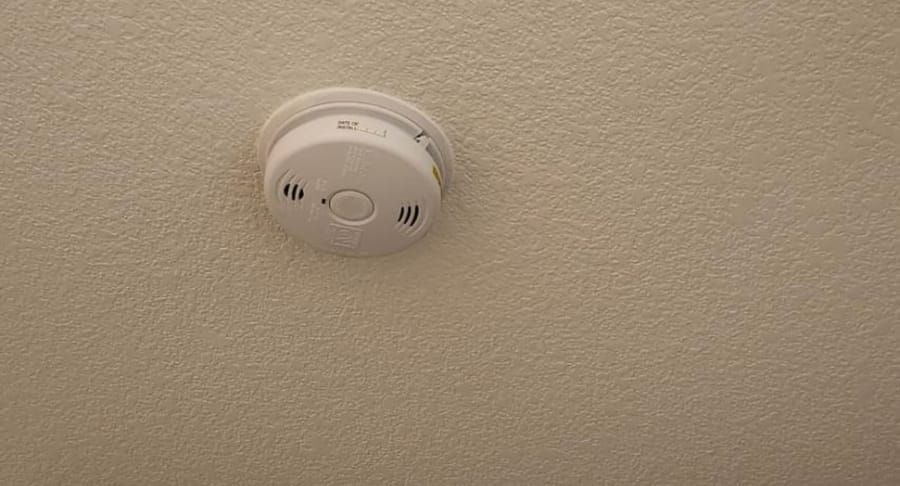
Heart Heating, Cooling, Plumbing & Electric provides smoke detector installation, carbon monoxide detector installation, and alarm replacement throughout Metro Denver. Our licensed electricians install hardwired, interconnected, battery-backed, and combination smoke and CO alarms based on the home’s layout and existing electrical system.
Denver-area properties range from older bungalows with isolated battery alarms to newer homes with interconnected protection. Finished basements, additions, bedroom conversions, attached garages, gas appliances, and remodeling can all change where alarms are needed. We evaluate the home as it exists today and install a system designed to provide clear, dependable warning.
Smoke and CO Alarm Services
Our smoke and carbon monoxide detector services include:
-
New smoke alarm installation
-
Carbon monoxide alarm installation
-
Combination smoke and CO alarm installation
-
Hardwired alarm installation
-
Interconnected alarm installation
-
Battery-backup alarm installation
-
Replacement of aging or malfunctioning alarms
-
Alarm additions for bedrooms, hallways, basements, and remodeled areas
-
Troubleshooting frequent chirping or nuisance alarms
-
Testing power, interconnection, and alarm response
-
Evaluating existing alarm placement and coverage
-
Wiring corrections for improperly installed alarms
We distinguish between a defective alarm and a problem with its wiring, placement, compatibility, or power supply. Replacing the device may not solve recurring issues when the actual cause is a loose connection, mixed alarm system, damaged cable, incorrect location, or problem elsewhere on the circuit.
Smoke Detector Installation Based on the Home’s Layout
Smoke does not spread evenly through every home. Closed bedroom doors, stairways, vaulted ceilings, additions, finished basements, and separated living areas influence how quickly occupants hear an alarm.
We plan smoke alarm placement around areas such as:
-
Sleeping rooms
-
Hallways serving bedrooms
-
Main living levels
-
Finished basements
-
Upper floors and stairway approaches
-
Converted attics and lofts
-
Home additions
-
Areas containing fuel-burning equipment
-
Detached living spaces connected to the home’s electrical system
Placement also affects reliability. An alarm positioned too close to a cooking appliance, bathroom, supply register, ceiling fan, or other source of air movement may experience nuisance alarms or delayed smoke entry. We follow applicable requirements and manufacturer instructions while accounting for how air and occupants move through the home.
Homes with unusual ceilings or open floor plans require additional judgment. Simply centering one device in a large space does not necessarily provide suitable coverage for nearby bedrooms, separated levels, or enclosed rooms.
Carbon Monoxide Detector Installation
Carbon monoxide is a colorless, odorless gas produced when fuel does not burn completely. Potential sources can include furnaces, boilers, water heaters, fireplaces, gas ranges, generators, vehicles, and other fuel-burning equipment. A properly placed CO alarm provides warning when carbon monoxide accumulates, but it does not prevent the condition that produced it.
Our electricians install carbon monoxide alarms in locations selected to protect sleeping areas and occupied levels without placing devices where normal environmental conditions could interfere with operation.
CO protection deserves particular attention in homes with:
-
Gas furnaces or boilers
-
Gas or propane water heaters
-
Fireplaces or wood-burning appliances
-
Attached garages
-
Gas ranges or ovens
-
Finished rooms near mechanical areas
-
Multiple heating systems
-
Recent fuel-burning appliance installations
-
Altered venting or remodeled mechanical spaces
A carbon monoxide alarm is one layer of protection. Fuel-burning equipment and venting must also be maintained and evaluated when combustion or exhaust problems are suspected. Homeowners with gas heating equipment can learn more about our furnace services and boiler services.
Why Denver’s Elevation Matters
Denver’s elevation affects the air available for combustion. Fuel-burning equipment must be correctly selected, configured, vented, and maintained for the conditions in which it operates. Improper fuel input, restricted combustion air, burner problems, or inadequate venting can contribute to incomplete combustion and carbon monoxide production.
Elevation does not change the purpose of a CO alarm, but it makes correct combustion setup an important part of whole-home safety. A new alarm should not be treated as a substitute for correcting a furnace, boiler, water heater, fireplace, or gas appliance that is operating improperly.
Denver homes may also become more tightly enclosed during winter. Windows remain closed while heating equipment operates for long periods, attached garages see frequent use, and snow or debris can affect some exterior intake and exhaust terminations. Alarms provide critical warning, but suspected equipment or venting problems require direct evaluation.
If an alarm activates and occupants experience headache, dizziness, weakness, nausea, confusion, chest discomfort, or unusual fatigue, everyone should move to fresh air and contact emergency services. Do not re-enter the home simply because the alarm stops sounding.
Hardwired Smoke and CO Alarms
Hardwired alarms receive primary power from the home’s electrical system and generally include battery backup for outages. Installing them may require an existing alarm circuit, an approved power source, accessible wiring routes, compatible junction boxes, and the correct connections between devices.
Our electricians evaluate:
-
The condition of existing alarm wiring
-
Circuit power and wiring connections
-
Junction-box placement and support
-
Battery-backup requirements
-
Neutral and interconnect conductors
-
Compatibility between connected alarms
-
Locations added during previous renovations
-
Evidence of abandoned or modified alarm wiring
-
Whether occupants can hear alarms throughout the home
Hardwired does not mean maintenance-free. Backup batteries still require attention, alarms must be tested, and the devices must be replaced at the end of their listed service life.
If the alarm circuit is only one part of a broader electrical concern, our electrical safety inspection can evaluate the panel, circuits, grounding, receptacles, switches, and other accessible components.
Interconnected Alarm Systems
Interconnected alarms communicate so that activation of one unit triggers the other connected alarms. This can provide earlier warning when a fire or carbon monoxide event begins far from an occupied bedroom.
Interconnection is especially valuable in:
-
Multistory homes
-
Homes with finished basements
-
Larger or extended floor plans
-
Properties with separated bedroom areas
-
Homes where mechanical equipment is located away from sleeping rooms
-
Additions connected to an older structure
-
Households in which occupants may not hear an isolated alarm
Alarm interconnection may be established through wiring or an approved compatible wireless system. Devices cannot be mixed solely because they fit the same mounting ring or connect to similar-looking plugs. The alarm models and communication method must be compatible.
We test the completed installation from multiple initiating devices to confirm that the system responds as intended.
Combination Smoke and CO Alarms
Combination alarms monitor for both smoke and carbon monoxide in one device. They can reduce the number of individual units in appropriate locations and provide distinct alerts for different hazards.
A combination unit is not automatically the best choice everywhere. The correct alarm type depends on the location, required coverage, existing wiring, interconnected system, and potential sources of nuisance activation. Some homes benefit from combination alarms in shared areas and dedicated smoke alarms in bedrooms.
We explain the alarm type installed in each location so occupants understand what the signals, voice alerts, indicator lights, and test functions mean.
Replacing Older Smoke and CO Detectors
Smoke and CO alarms have limited service lives. The sensing components can become less dependable even when the housing appears clean and the test button still produces sound. The test button confirms certain alarm functions, but it does not make an expired sensing element new again.
Replacement may be appropriate when:
-
The alarm has reached the manufacturer’s replacement date
-
The manufacturing date is missing or unreadable
-
The unit chirps after the battery has been replaced
-
The alarm fails a test
-
Devices activate inconsistently
-
Alarm housings are painted, damaged, or contaminated
-
Connected alarms no longer sound together
-
Replacement alarms are incompatible with older wiring harnesses
-
A remodel has changed the home’s sleeping rooms or floor plan
-
Existing coverage is incomplete
When replacing interconnected alarms, we evaluate the system as a group. Installing a single incompatible unit can prevent proper communication or create recurring nuisance alarms.
Smoke and CO Protection for Older Denver Homes
Many older Metro Denver homes were built before hardwired, interconnected alarms became common. Over time, owners may have added battery alarms, remodeled bedrooms, finished basements, enclosed porches, converted attics, or moved walls without updating the alarm system as a whole.
These properties may contain:
-
Too few alarms for the current layout
-
Devices placed far from sleeping areas
-
Several alarm brands with no interconnection
-
Abandoned hardwired bases
-
Painted or covered alarm housings
-
Missing junction boxes
-
Old wiring that cannot support the intended system
-
Basement bedrooms without coordinated alarm coverage
-
Alarms located near kitchens, bathrooms, or air registers
We assess the current floor plan and electrical configuration rather than assuming the original alarm locations still provide appropriate protection.
Detector Upgrades During Remodeling
A renovation is an appropriate time to review smoke and carbon monoxide protection. Opening ceilings and walls may create better access for hardwired alarms and interconnection wiring. The completed project may also add sleeping rooms, living space, or new fuel-burning equipment that changes the home’s safety needs.
Alarm upgrades should be considered during:
-
Basement finishing
-
Bedroom additions
-
Attic or loft conversions
-
Whole-home renovations
-
Kitchen expansions
-
Garage conversions
-
Furnace or boiler replacement
-
Water heater replacement
-
Electrical panel and wiring upgrades
Our electricians coordinate alarm wiring with the new layout so protection is planned before finishes conceal the available routes. If the project includes broader electrical work, explore our complete electrical services.
Why Smoke and CO Alarms Chirp or Activate Unexpectedly
A chirping alarm does not always need complete replacement. The sound may indicate a low battery, loss of line power, end-of-life warning, loose connection, improperly seated battery, or fault within the unit.
Unexpected alarm activation can result from:
-
Cooking smoke or grease particles
-
Steam from a bathroom
-
Dust from remodeling
-
Insects or debris inside the sensing chamber
-
Placement near an HVAC register
-
Rapid temperature changes
-
Incompatible interconnected units
-
Electrical interruptions
-
A failing or expired alarm
-
An actual smoke or carbon monoxide condition
The response should depend on the signal and circumstances. A carbon monoxide alert, repeated unexplained activation, visible smoke, or signs of combustion trouble should never be dismissed as a bad detector without evaluation.
Our Installation Process
Professional smoke and CO detector installation begins with the home, not the device package.
1. Review the Existing Protection
We identify alarm locations, device types, approximate ages, power sources, and whether units are interconnected. We also review the number and arrangement of sleeping rooms and occupied levels.
2. Evaluate Electrical Compatibility
For hardwired systems, we inspect accessible wiring, junction boxes, circuit power, interconnect conductors, and existing alarm connections. We determine which devices can work together before installation begins.
3. Plan Alarm Types and Locations
We select smoke, CO, or combination alarms for the appropriate areas. Placement accounts for the floor plan, sleeping spaces, combustion equipment, attached garage, airflow, and potential nuisance sources.
4. Install and Connect the Alarms
Our electricians mount the devices securely, complete the electrical connections, install backup batteries when applicable, and label or document functions as needed.
5. Test the Complete System
We test individual alarms and verify interconnection where present. The installation is not complete until devices receive power, produce the correct alerts, and communicate properly.
6. Explain Testing and Replacement
We show the homeowner how to test the alarms, identify different warning signals, replace accessible backup batteries, and find the manufacturer’s replacement information.
Professional Solutions That Put You First
We provide reliable, people-first service designed to meet your unique needs with care and professionalism. Our team is committed to delivering consistent results, clear communication, and dependable support you can trust. From start to finish, we focus on quality, responsiveness, and building lasting relationships through service delivered with heart.Smoke and CO Detector Installation From Denver Electricians
A dependable alarm system must fit the home’s current layout, electrical configuration, and sources of fire and combustion risk. That requires more than adding battery devices wherever space is available.
Heart Heating, Cooling, Plumbing & Electric installs and replaces smoke alarms, carbon monoxide alarms, combination detectors, and interconnected systems throughout Metro Denver. We evaluate coverage, wiring, compatibility, placement, and alarm response before considering the work complete.
Schedule smoke and CO detector installation if your home has aging alarms, incomplete coverage, repeated chirping, a newly finished space, or an alarm system that no longer reflects the way the property is used.

Special Offer
$49
Whole-Home Electrical Safety InspectionPanel, outlet, breaker, and grounding evaluation.
Offer cannot be combined with any other promotions, discounts, or special offers. Terms and conditions may apply.
Expires: November 30, 2026
Expires: November 30, 2026
Send Us A Message
Frequently Asked Questions
Reliable, High-Quality Service You Deserve
what people are saying
Quality Service Backed by Real Reviews
Nariman Movaffagh
3 days ago

James was amazing and answered all my questions.
Hank Prichard
4 days ago
Very knowledgeable very professional. All my questions were answered Michael and David went above and beyond for me. Will definitely recommend them and Heart
Dino Rojas
4 days ago
Getting the pipe problem fixed
shahla hashemi
5 days ago
I’ll be regular costumer now on. Excellent experience with heart heating, ac, and electric.
Merlynn Bender
1 week ago
5 stars for Jeremiah Stephens on my sewer cleaning. Right guy for that job.
Eddie Huynh
1 week ago
Eli was great. He was fair and honest and made me feel comfortable. He explained everything really well and treated me with respect. Great employee and really honest
Susie Hranicka
1 week ago
Chris did a great job and was so kind, knowledgeable and professional! We have used Heart for hot water heater replacement, kitchen faucet replacement and other plumbing needs! It is a great company to do business with…we are always satisfied!!
Merlynn Bender
1 week ago
Jeremiah did great. On time, the right guy for this job. Thank you.
Dianne Montoya
1 week ago
We purchased our furnace from Heart a couple of years ago. I had regular maintenance done and they went above and beyond. Highly recommend.
Zachary Blackburn
1 week ago
We love being members of Heart. Today, Morgan came out for a fix on our leaky sink and also helped with a cloggy tub. He was extremely knowledgeable and efficient, and I'd have Morgan back out to our house any time!
E Beuler
1 week ago
Larry was as excellent as all their other technicians. He explained what he was connecting electrically. All personnel are terrific! Won’t ever think about using anyone else in the future. I feel very valued as a customer too!
Trenton Barrance serviced my furnace this year and I was equally impressed with his work and communication with me !
Trenton Barrance serviced my furnace this year and I was equally impressed with his work and communication with me !
Bernadette Dixon
1 week ago
Eli and Jeremiah,were AMAZING did such a great job I will definitely share my experience with them to all that are looking for plumbing issues.
Gordon Reichal
2 weeks ago
Professional service. A pleasure to deal with their focus on integrity and quality service.
Maury Kroopnick
2 weeks ago
Knowledgeable, educational, helpful,
quentin Lewis
2 weeks ago
Nick was methodical. Didn't rush into a diagnosis that probably would've cost more. He was awesome!!
Laura Bernstein
2 weeks ago
The team was great! I reached out when my furnace wouldn’t start and heard back right away. They got Joel out to my house within an hour. He took apart the furnace and confirmed that unfortunately it was toast, but got me set up with a quote for what I really wanted, which was a whole new Heat pump system. Victor and Joel got the old furnace out and Nick and the install team got the new one in place with the heat pump. It was a long, late day for the team, but I finally am heating my house again.
Carla Beckman
2 weeks ago
Thanks for sending Joel Ramirez to get my furnace running. Joel is professional, competent, pleasant, efficient.
James Rush
2 weeks ago
Eli did a wonderful job that was one thing after another. He was professional and courteous and did his job well.
Get In Touch With Heart Heating, Cooling, Plumbing, Electric
Full Service Home Comfort
Heating, cooling, plumbing, and electrical services come together to support comfort, safety, and reliability throughout your home. From routine care to repairs and system upgrades, each service is handled with attention to detail and a focus on long term performance. Trusted solutions help keep everything running smoothly through every season.