FREE Dispatch Fee on Any Drain Call



Heart Heating, Cooling, Plumbing & Electric provides residential electrical repair, installation, maintenance, and system upgrades throughout Metro Denver. Our licensed electricians troubleshoot active problems, install new electrical equipment, replace aging components, and evaluate systems that no longer meet the needs of the home.
Denver-area properties include older houses with generations of electrical alterations, mid-century homes built for smaller loads, finished basements added after original construction, and newer homes supporting extensive electronics and high-demand equipment. We approach each project according to the home’s actual wiring, electrical capacity, and intended use.
Complete Residential Electrical Services
Our electricians work throughout the residential electrical system, from individual devices to the equipment that distributes power across the home.
Our electrical services include:
-
Electrical troubleshooting and repair
-
New electrical installation
-
Electrical system upgrades
-
Preventive electrical maintenance
-
Circuit and wiring corrections
-
Dedicated circuit installation
-
Panel and breaker work
-
Grounding and bonding corrections
-
Interior and exterior electrical projects
-
Electrical safety evaluations
-
Support for remodeling and equipment upgrades
-
Replacement of damaged or outdated components
Electrical work should address the source of a problem, not simply replace the first component that stops working. We evaluate the affected circuit and related equipment before recommending a repair or installation.
Electrical Repair in Metro Denver
Electrical problems can appear as intermittent power, flickering lights, repeated breaker trips, warm devices, unusual sounds, or equipment that no longer operates correctly. Some failures are isolated. Others point to a loose connection, overloaded circuit, damaged conductor, grounding problem, or aging distribution equipment.
We provide electrical repair for symptoms such as:
-
Partial or complete loss of power
-
Lights that flicker or dim unexpectedly
-
Breakers that trip repeatedly
-
Outlets or switches that stop working
-
Electrical buzzing or crackling
-
Warm wall plates or panel components
-
Burning or overheated odors
-
Visible sparks or discoloration
-
Equipment that loses power under load
-
Circuits affected by moisture
-
Wiring damaged during construction
-
Problems following a previous repair or remodel
Troubleshooting begins by confirming when and where the issue occurs. We then isolate the affected circuit, test the relevant components, and determine whether the repair should be limited to one connection or expanded to address a broader condition.
If an electrical device is smoking, visibly arcing, or producing a strong burning odor, avoid using it and disconnect power if that can be done safely. Active fire, severe sparking, or immediate danger requires emergency assistance.
Electrical Installation and Home Upgrades
New electrical installation should be planned around the equipment being added and the capacity of the existing system. Adding a device without considering its load can create nuisance tripping, voltage problems, overheated connections, or an unreliable installation.
Residential electrical installation may support:
-
Home renovations
-
Basement finishing
-
Kitchen updates
-
Home offices
-
Appliance additions
-
Outdoor living spaces
-
Workshops and garages
-
New lighting layouts
-
Heating and cooling equipment
-
Electric vehicle charging
-
Smart-home technology
-
Accessibility improvements
Before beginning work, we evaluate the proposed equipment, circuit requirements, available panel capacity, wiring route, protection requirements, and how the new installation will interact with the rest of the home.
Electrical Maintenance and Preventive Care
Residential electrical systems do not require maintenance in the same way as mechanical equipment, but they should not be ignored until a failure occurs. Connections can loosen, devices wear out, exterior components deteriorate, and household demand can change substantially over time.
Preventive electrical maintenance may include:
-
Inspecting accessible panel components
-
Checking for signs of overheating
-
Testing GFCI and AFCI protection
-
Evaluating frequently used switches and outlets
-
Checking exterior electrical equipment
-
Reviewing grounding and bonding
-
Confirming breaker and circuit compatibility
-
Identifying damaged covers or enclosures
-
Evaluating changes made during previous renovations
-
Testing life-safety electrical devices
Electrical maintenance is especially valuable before a major renovation, after purchasing an older home, when adding high-demand equipment, or when several small electrical symptoms begin appearing in different areas.
Electrical Needs Common to Denver-Area Homes
Metro Denver’s housing stock includes properties built across many different electrical eras. A single home may contain original wiring, later panel work, remodeled kitchens, finished basements, and newer circuits added for modern equipment.
Our electricians account for conditions such as:
-
Older wiring and limited original circuit capacity
-
Two-prong receptacles or incomplete grounding
-
Electrical alterations made during past remodels
-
Basements converted into occupied living space
-
Detached garages and workshops
-
Exterior devices exposed to snow and moisture
-
Increased cooling loads during hot weather
-
Portable heater use during cold snaps
-
New heat pumps and electric appliances
-
EV charging and other electrification projects
-
Sensitive electronics exposed to voltage fluctuations
-
Panels with limited space for additional circuits
Large temperature swings can also expose marginal connections and heavily loaded circuits. Electrical demand may rise quickly during the first major heat wave or cold snap, revealing problems that were not noticeable during milder weather.
Electrical Panels
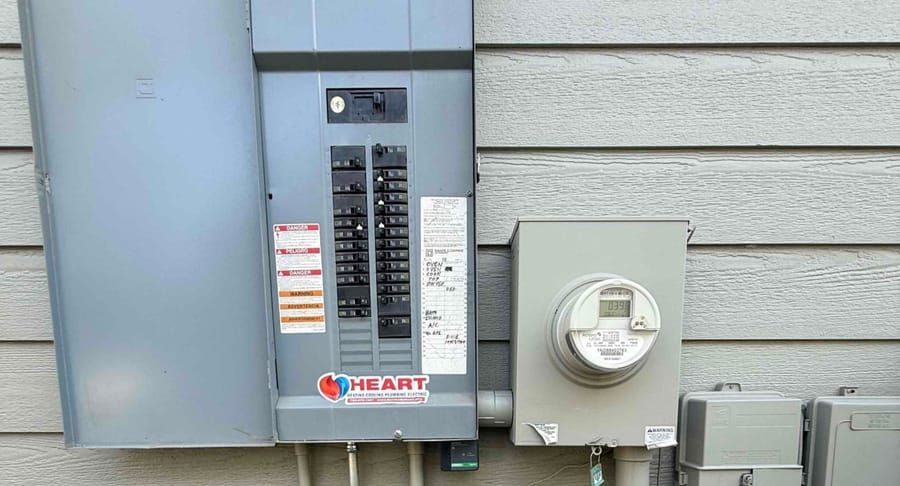
The electrical panel receives incoming power and distributes it through protected branch circuits. Its capacity, condition, configuration, and available breaker spaces affect nearly every major electrical upgrade in the home.
Electrical panel repair and replacement may be appropriate when equipment is damaged, capacity is limited, circuits have been altered improperly, or the home is being prepared for significant new electrical demand. Panel work should be based on the condition and requirements of the system rather than age alone.
Circuit Breakers
Circuit breakers protect wiring from excessive current and respond to overloads, short circuits, and certain fault conditions. A breaker that trips repeatedly may be doing its job in response to a problem elsewhere on the circuit.
Circuit breaker installation and replacement requires correct compatibility with the panel, conductor size, connected load, and required circuit protection. Installing a larger breaker is not an acceptable substitute for correcting overloaded or undersized wiring.
Switches and Outlets
Switches and receptacles wear with regular use and can also reveal problems with the wiring behind them. Loose plug connections, warmth, intermittent power, failed GFCI devices, and unreliable switches should be evaluated before damage progresses.
Our switch and outlet services include repair, replacement, new device installation, GFCI protection, dimmers, smart controls, and receptacles selected for specific household uses.
Lighting Installation
Residential lighting combines fixture selection, switching, circuit design, placement, and electrical support. The correct installation depends on whether the project involves replacing one fixture or creating a new lighting layout.
Indoor and outdoor lighting installation can support kitchens, living spaces, basements, exterior entries, security needs, pathways, patios, and other areas where reliable illumination affects the use of the property.
Ceiling Fan Installation
A ceiling fan requires a properly supported electrical box, compatible wiring, correct controls, and adequate clearance. An existing light-fixture box should not be assumed capable of supporting a fan.
Professional ceiling fan installation can include new fan locations, replacement fans, lighting controls, wall switches, remote receivers, and evaluation of the ceiling structure and electrical supply.
Electric Vehicle Charger Installation
Home charging equipment can place a substantial continuous load on the electrical system. Charger output, service capacity, panel condition, circuit length, conductor size, and charging schedule all influence the installation.
EV charger installation begins with evaluating the home and charging requirements rather than simply selecting the largest available charger. Some homes can support charging with the existing system, while others require load management or electrical upgrades.
Whole-Home Surge Protection
Voltage transients can originate outside the home or from equipment operating within it. Plug-in devices provide localized protection, but they do not protect every circuit or permanently connected appliance.
Whole-home surge protection is installed at the electrical panel to create a broader layer of defense for appliances, HVAC equipment, lighting controls, computers, entertainment systems, and other electronics.
Electrical Safety Inspections
An electrical inspection provides a broader view than troubleshooting one failed device. It can identify visible defects, installation inconsistencies, outdated components, and areas that deserve correction or closer evaluation.
A whole-home electrical safety inspection can be useful when purchasing an older property, planning renovations, adding major electrical loads, or investigating several symptoms occurring across different circuits.
Smoke and Carbon Monoxide Detectors
Smoke and carbon monoxide alarms depend on correct device selection, placement, power, backup batteries, and interconnection. Finished basements, bedroom additions, altered floor plans, and fuel-burning appliances can change the protection a home needs.
Smoke and carbon monoxide detector installation can include hardwired alarms, interconnected systems, combination devices, battery backup, and replacement of aging or incompatible units.
Electrical Work for Remodeling and Electrification
Remodeling can change electrical demand even when the home’s total square footage remains the same. A kitchen update may add multiple appliances. A basement project can create bedrooms, office space, and entertainment loads. Converting gas equipment to electric may add several large circuits within a short period.
Electrical planning for these projects may involve:
-
Reviewing available service and panel capacity
-
Calculating expected new loads
-
Adding branch circuits
-
Replacing undersized or damaged wiring
-
Updating circuit protection
-
Relocating switches and receptacles
-
Coordinating fixture and equipment placement
-
Correcting work uncovered during demolition
-
Planning for future electrical additions
Completing this evaluation before finishes are installed can reduce rework and allow wiring routes, device locations, and equipment requirements to be coordinated with the overall project.
When to Schedule an Electrician
Some electrical problems remain intermittent before a complete failure occurs. Professional evaluation is warranted when:
-
A breaker trips more than once without a clear temporary cause
-
Lights dim when appliances or HVAC equipment start
-
Outlets or switches feel warm
-
Power comes and goes in part of the home
-
There is a burning or overheated odor
-
Electrical components buzz, crackle, or spark
-
A GFCI or AFCI device will not reset
-
Extension cords have become a permanent source of power
-
The panel has no room for planned equipment
-
Previous electrical work appears incomplete or inconsistent
-
The home is being remodeled or electrified
-
The electrical system has not been evaluated in many years
These symptoms do not all indicate the same repair. The purpose of electrical troubleshooting is to determine whether the source is a device, connection, circuit, load, breaker, panel, or incoming power condition.
Our Electrical Service Process
A structured service process helps ensure that repairs and installations address the complete electrical condition involved.
1. Discuss the Problem or Project
We review the symptoms, equipment, planned improvement, and any recent changes to the home.
2. Evaluate the Electrical System
The electrician examines the affected devices, circuits, panel components, and accessible wiring needed to understand the condition.
3. Explain the Findings
We identify the likely cause or installation requirements and explain the available repair or upgrade options.
4. Complete the Electrical Work
Approved work is completed using components appropriate for the circuit, equipment, and existing electrical system.
5. Test and Verify Operation
We restore power, test the completed work, and confirm that the repaired or installed equipment operates as intended.
Professional Solutions That Put You First
We provide reliable, people-first service designed to meet your unique needs with care and professionalism. Our team is committed to delivering consistent results, clear communication, and dependable support you can trust. From start to finish, we focus on quality, responsiveness, and building lasting relationships through service delivered with heart.Residential Electricians Serving Metro Denver
Electrical systems change as homes age, renovations accumulate, and household power demands increase. Reliable service requires understanding how the panel, breakers, wiring, devices, and connected equipment work together.
Heart Heating, Cooling, Plumbing & Electric provides residential electrical repair, installation, maintenance, troubleshooting, and system upgrades throughout Metro Denver. Whether the need involves an active electrical problem, planned home improvement, or broader system evaluation, we develop the work around the property’s existing conditions and future electrical needs.
Schedule electrical service when your home needs repair, new installation, preventive evaluation, or an upgrade to support modern electrical demand.

Special Offer
$250 Off
Electrical Panel UpgradeValid on 200-amp upgrades. Code-compliant installation.
Offer cannot be combined with any other promotions, discounts, or special offers. Terms and conditions may apply.
Expires: November 30, 2026
Expires: November 30, 2026
Send Us A Message
Frequently Asked Questions
Reliable, High-Quality Service You Deserve
what people are saying
Quality Service Backed by Real Reviews
Nariman Movaffagh
3 days ago

James was amazing and answered all my questions.
Hank Prichard
4 days ago
Very knowledgeable very professional. All my questions were answered Michael and David went above and beyond for me. Will definitely recommend them and Heart
Dino Rojas
4 days ago
Getting the pipe problem fixed
shahla hashemi
5 days ago
I’ll be regular costumer now on. Excellent experience with heart heating, ac, and electric.
Merlynn Bender
1 week ago
5 stars for Jeremiah Stephens on my sewer cleaning. Right guy for that job.
Eddie Huynh
1 week ago
Eli was great. He was fair and honest and made me feel comfortable. He explained everything really well and treated me with respect. Great employee and really honest
Susie Hranicka
1 week ago
Chris did a great job and was so kind, knowledgeable and professional! We have used Heart for hot water heater replacement, kitchen faucet replacement and other plumbing needs! It is a great company to do business with…we are always satisfied!!
Merlynn Bender
1 week ago
Jeremiah did great. On time, the right guy for this job. Thank you.
Dianne Montoya
1 week ago
We purchased our furnace from Heart a couple of years ago. I had regular maintenance done and they went above and beyond. Highly recommend.
Zachary Blackburn
1 week ago
We love being members of Heart. Today, Morgan came out for a fix on our leaky sink and also helped with a cloggy tub. He was extremely knowledgeable and efficient, and I'd have Morgan back out to our house any time!
E Beuler
1 week ago
Larry was as excellent as all their other technicians. He explained what he was connecting electrically. All personnel are terrific! Won’t ever think about using anyone else in the future. I feel very valued as a customer too!
Trenton Barrance serviced my furnace this year and I was equally impressed with his work and communication with me !
Trenton Barrance serviced my furnace this year and I was equally impressed with his work and communication with me !
Bernadette Dixon
1 week ago
Eli and Jeremiah,were AMAZING did such a great job I will definitely share my experience with them to all that are looking for plumbing issues.
Gordon Reichal
2 weeks ago
Professional service. A pleasure to deal with their focus on integrity and quality service.
Maury Kroopnick
2 weeks ago
Knowledgeable, educational, helpful,
quentin Lewis
2 weeks ago
Nick was methodical. Didn't rush into a diagnosis that probably would've cost more. He was awesome!!
Laura Bernstein
2 weeks ago
The team was great! I reached out when my furnace wouldn’t start and heard back right away. They got Joel out to my house within an hour. He took apart the furnace and confirmed that unfortunately it was toast, but got me set up with a quote for what I really wanted, which was a whole new Heat pump system. Victor and Joel got the old furnace out and Nick and the install team got the new one in place with the heat pump. It was a long, late day for the team, but I finally am heating my house again.
Carla Beckman
2 weeks ago
Thanks for sending Joel Ramirez to get my furnace running. Joel is professional, competent, pleasant, efficient.
James Rush
2 weeks ago
Eli did a wonderful job that was one thing after another. He was professional and courteous and did his job well.
Get In Touch With Heart Heating, Cooling, Plumbing, Electric
Full Service Home Comfort
Heating, cooling, plumbing, and electrical services come together to support comfort, safety, and reliability throughout your home. From routine care to repairs and system upgrades, each service is handled with attention to detail and a focus on long term performance. Trusted solutions help keep everything running smoothly through every season.