FREE Dispatch Fee on Any Drain Call


Sump Pump Installation and Repair in Metro Denver


Metro Denver is a semi-arid region, but that does not mean every basement stays dry. Rapid snowmelt, short periods of intense rain, hailstorms, expansive clay soils, poor grading, leaking irrigation systems, and drainage changes around neighboring properties can all direct water toward a foundation. Homes with basements, crawlspaces, window wells, or below-grade additions may depend on a sump pump to remove that water before it reaches finished areas.
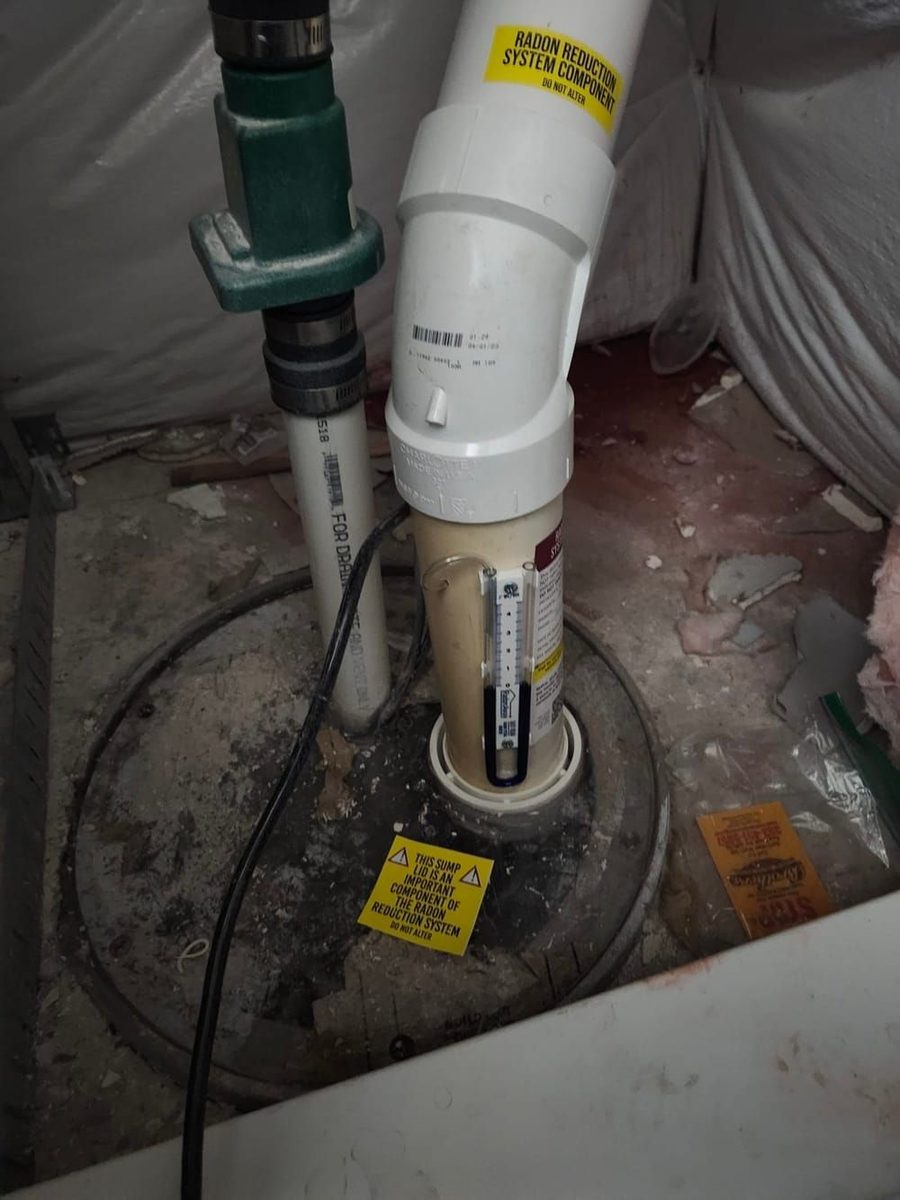
Heart Heating, Cooling, Plumbing & Electric provides sump pump installation, repair, replacement, and maintenance throughout Metro Denver. We evaluate the entire system, including the pump, basin, float, check valve, electrical supply, discharge piping, and the conditions bringing water into the pit.
Whether your pump has stopped working, runs more often than expected, or needs to be replaced before the next major storm, our plumbers can determine what the basement sump pump system actually needs.
Complete Basement Sump Pump Service
A sump pump is only as reliable as the system surrounding it. Installing a powerful pump will not solve a blocked discharge line, undersized basin, unreliable power supply, or drainage problem that overwhelms the pit.
Our sump pump services include:
- New sump pump installation
- Sump pump repair
- Sump pump replacement
- Preventive sump pump maintenance
- Primary pump testing
- Float switch repair and adjustment
- Check valve installation and replacement
- Sump basin and lid evaluation
- Discharge pipe repair and rerouting
- Battery backup sump pump installation
- High-water alarm installation
- Electrical connection evaluation
- System troubleshooting after basement water intrusion
We test how the components work together rather than checking only whether the motor turns on. That allows us to identify problems that may not become obvious until water begins entering the basin quickly.
Sump Pump Installation for Denver-Area Homes
Sump pump installation should begin with understanding how water reaches the pit and where it will go after the pump removes it. The correct pump depends on the expected water volume, vertical lift, discharge distance, pipe size, and number of fittings in the discharge route.
During installation, we consider:
- The depth and diameter of the sump basin
- How quickly water enters the pit
- Required pumping capacity at the system’s actual lift
- Pedestal versus submersible pump design
- Float style and available operating clearance
- Discharge pipe diameter and routing
- Check valve placement
- Sump lid fit and accessibility
- Available electrical service
- Backup power and alarm options
- The outdoor discharge location
- Freeze protection for exposed piping
Pump capacity should be evaluated at the actual height and resistance of the discharge system, not only by the maximum rating printed on the box. A pump may move less water when it must lift water farther or push it through a long run with multiple turns.
We install the pump so the float can move freely, the check valve limits backflow, and the system can be accessed for future sump pump maintenance. After installation, we add water to the basin and verify that the pump starts, removes water, shuts off, and holds the discharged water above the check valve.
Metro Denver Conditions That Affect Sump Pumps
Sump pump needs vary substantially across the Denver metro area. Some homes rarely collect water, while others depend on their pumps during snowmelt, summer storms, or changes in surrounding drainage.
Intense Rain After Long Dry Periods
Colorado storms can deliver a large amount of water over a short period. Dry, compacted soil may initially absorb water slowly, increasing runoff toward low areas, window wells, and foundations. A pump that has sat unused for months may be asked to handle a sudden inflow without warning.
Snowmelt and Freeze-Thaw Cycles
Rapid warming can melt accumulated snow while portions of the ground remain frozen or saturated. Water may collect near the foundation instead of soaking evenly into the soil. If a discharge extension is frozen, buried in snow, or blocked by ice, the pump may run without moving water far enough from the house.
Expansive Clay Soils
Many Front Range properties contain soils that expand when wet and contract as they dry. This movement can affect foundation drainage, grading, and below-grade piping. A sump pump can manage water entering its basin, but it does not correct every exterior drainage or foundation condition.
Finished Basements
Finished basements raise the consequences of pump failure. Flooring, drywall, cabinetry, mechanical equipment, and stored belongings may all be located below grade. Homes that rely heavily on one pump may benefit from a backup system and high-water alarm.
Irrigation and Drainage Changes
A leaking sprinkler line, overwatering, a disconnected downspout, or grading changes can send water toward the foundation even when it has not rained. If the sump pump begins operating more often without an obvious weather event, the source of the water should be investigated.
When unexplained moisture may come from a plumbing line rather than groundwater, our leak detection services can help isolate the source.
Sump Pump Repair
A sump pump may fail completely, but many problems develop gradually. The pump may cycle too frequently, struggle to clear the basin, run without shutting off, or make new noises as its components wear.
Schedule sump pump repair if:
- The pump does not start as water rises
- The motor runs but the water level does not fall
- The pump starts and stops repeatedly
- The pump runs continuously
- The basin overflows
- The float sticks or catches against the basin
- Water flows back into the pit after each cycle
- The system vibrates, rattles, grinds, or hums
- The discharge pipe leaks
- The breaker trips when the pump starts
- The pump operates during dry weather without a known reason
- The backup pump or alarm does not activate
Our plumbers inspect the pump, float, intake, check valve, basin, and accessible discharge piping. We also consider whether the pump is correctly sized for the amount of water entering the system.
Some symptoms can be misleading. Frequent cycling may indicate a failed check valve, a small basin, an improperly positioned float, or water being discharged too close to the foundation and returning to the pit. Replacing the pump alone would not correct those conditions.
Sump Pump Replacement
Sump pump replacement may be the better choice when the motor has failed, the housing is damaged, repairs are becoming frequent, or the existing unit cannot keep up with the water entering the basin.
Replacement may also be appropriate when:
- The pump has become unreliable
- Corrosion or debris has damaged key components
- The float mechanism repeatedly sticks
- The pump overheats or trips the circuit
- Replacement parts are unavailable
- The system is undersized for the actual pumping conditions
- Basement use has changed and greater protection is needed
- The current installation lacks a dependable backup strategy
- The existing pump cannot overcome the discharge lift
We do not recommend sump pump replacement based on age alone. We evaluate the pump’s condition, performance, service history, and role in protecting the basement before comparing repair and replacement options.
Sump Pump Maintenance
A sump pump can remain inactive for much of the year and still be expected to start immediately during a storm. Preventive sump pump maintenance helps identify stuck floats, blocked intakes, failed check valves, weak backup batteries, and discharge problems before the basin fills.
Professional sump pump maintenance may include:
- Inspecting the pump and power cord
- Checking the basin for sediment and debris
- Testing float movement
- Activating the pump with water
- Confirming that the pump starts and stops correctly
- Listening for abnormal motor or impeller noise
- Inspecting the check valve
- Checking accessible discharge piping
- Confirming that water does not drain back into the basin
- Testing the backup pump and alarm
- Checking the backup battery condition
- Reviewing the exterior discharge location
The best time to schedule maintenance is before the system is likely to face heavy demand. In Metro Denver, that often means checking the pump before spring snowmelt and again before the summer storm season, especially when the basement is finished or the pump has a history of frequent operation.
Battery Backup Sump Pumps
A primary sump pump cannot protect the basement during an outage if it depends entirely on household power. Severe weather can create the exact combination homeowners want to avoid: rising water and lost electricity.
A battery backup system provides a second pump and power source that can operate when:
- Utility power fails
- The primary pump stops working
- The primary float does not activate
- Water enters faster than the main pump can remove it
Backup systems have their own pumping limits and maintenance needs. The battery must be appropriate for the equipment, charged correctly, and replaced when its condition declines. We test backup operation as a separate system rather than assuming it will work because the control panel shows power.
If the pump circuit, receptacle, or broader electrical system raises safety concerns, our team can coordinate the appropriate electrical safety inspection.
Sump Pump Discharge Problems
The discharge line must carry water far enough from the foundation that it does not flow back toward the house. Its route also needs to account for freezing temperatures, landscaping, walkways, property drainage, and local requirements.
Common discharge problems include:
- Frozen exterior piping
- Crushed or disconnected extensions
- Blockages from debris or sediment
- Leaking joints
- An improperly installed check valve
- Pipes that are too small for the pump
- Excessive turns or vertical lift
- Water released next to the foundation
- Discharge onto a walkway where it can freeze
- Connections to an unapproved drainage location
If water leaves the basin but quickly returns, the issue may be outside the pump itself. We inspect the accessible discharge system and explain whether repair, rerouting, or another drainage correction is needed.
What to Expect During Sump Pump Service
Our service process is designed to identify why the system is not performing correctly and whether the problem is limited to the pump.
Depending on the condition, we may:
- Inspect the basin, pump, float, check valve, and discharge piping.
- Review recent water intrusion or operating problems.
- Add water to the basin to observe a complete pumping cycle.
- Check whether the pump starts and stops at appropriate levels.
- Confirm that water leaves the basin without excessive backflow.
- Evaluate pump capacity against the discharge route.
- Test the backup system and alarm when present.
- Explain whether repair, maintenance, or replacement is appropriate.
If basement water is related to a damaged supply pipe, our pipe repair and repiping services address the failed plumbing. If the problem involves the buried water service entering the property, our water line repair and replacement services cover that separate need.
Professional Solutions That Put You First
We provide reliable, people-first service designed to meet your unique needs with care and professionalism. Our team is committed to delivering consistent results, clear communication, and dependable support you can trust. From start to finish, we focus on quality, responsiveness, and building lasting relationships through service delivered with heart.Schedule Sump Pump Service in Metro Denver
A dependable basement sump pump system requires more than a working motor. Pump capacity, basin design, float movement, discharge routing, check-valve performance, electrical supply, and backup protection all influence whether the system can respond when water levels rise.
Heart Heating, Cooling, Plumbing & Electric provides sump pump installation, repair, replacement, and maintenance throughout Metro Denver. We evaluate the complete system and recommend work based on the conditions around your home, the way water enters the basin, and the level of protection your basement requires.
Schedule basement sump pump service if your pump is not operating correctly, needs preventive testing, or is ready for replacement. For additional help with water, piping, and drainage concerns, explore our complete plumbing services.

Special Offer
FREE
Sewer Camera Inspection with Drain ServiceVisual inspection included with visit.
Offer cannot be combined with any other promotions, discounts, or special offers. Terms and conditions may apply.
Expires: November 30, 2026
Expires: November 30, 2026
Send Us A Message
Frequently Asked Questions
Reliable, High-Quality Service You Deserve
what people are saying
Quality Service Backed by Real Reviews
Nariman Movaffagh
3 days ago

James was amazing and answered all my questions.
Hank Prichard
4 days ago
Very knowledgeable very professional. All my questions were answered Michael and David went above and beyond for me. Will definitely recommend them and Heart
Dino Rojas
5 days ago
Getting the pipe problem fixed
shahla hashemi
6 days ago
I’ll be regular costumer now on. Excellent experience with heart heating, ac, and electric.
Merlynn Bender
1 week ago
5 stars for Jeremiah Stephens on my sewer cleaning. Right guy for that job.
Eddie Huynh
1 week ago
Eli was great. He was fair and honest and made me feel comfortable. He explained everything really well and treated me with respect. Great employee and really honest
Susie Hranicka
1 week ago
Chris did a great job and was so kind, knowledgeable and professional! We have used Heart for hot water heater replacement, kitchen faucet replacement and other plumbing needs! It is a great company to do business with…we are always satisfied!!
Merlynn Bender
1 week ago
Jeremiah did great. On time, the right guy for this job. Thank you.
Dianne Montoya
1 week ago
We purchased our furnace from Heart a couple of years ago. I had regular maintenance done and they went above and beyond. Highly recommend.
Zachary Blackburn
1 week ago
We love being members of Heart. Today, Morgan came out for a fix on our leaky sink and also helped with a cloggy tub. He was extremely knowledgeable and efficient, and I'd have Morgan back out to our house any time!
E Beuler
1 week ago
Larry was as excellent as all their other technicians. He explained what he was connecting electrically. All personnel are terrific! Won’t ever think about using anyone else in the future. I feel very valued as a customer too!
Trenton Barrance serviced my furnace this year and I was equally impressed with his work and communication with me !
Trenton Barrance serviced my furnace this year and I was equally impressed with his work and communication with me !
Bernadette Dixon
1 week ago
Eli and Jeremiah,were AMAZING did such a great job I will definitely share my experience with them to all that are looking for plumbing issues.
Gordon Reichal
2 weeks ago
Professional service. A pleasure to deal with their focus on integrity and quality service.
Maury Kroopnick
2 weeks ago
Knowledgeable, educational, helpful,
quentin Lewis
2 weeks ago
Nick was methodical. Didn't rush into a diagnosis that probably would've cost more. He was awesome!!
Laura Bernstein
2 weeks ago
The team was great! I reached out when my furnace wouldn’t start and heard back right away. They got Joel out to my house within an hour. He took apart the furnace and confirmed that unfortunately it was toast, but got me set up with a quote for what I really wanted, which was a whole new Heat pump system. Victor and Joel got the old furnace out and Nick and the install team got the new one in place with the heat pump. It was a long, late day for the team, but I finally am heating my house again.
Carla Beckman
2 weeks ago
Thanks for sending Joel Ramirez to get my furnace running. Joel is professional, competent, pleasant, efficient.
James Rush
2 weeks ago
Eli did a wonderful job that was one thing after another. He was professional and courteous and did his job well.
Get In Touch With Heart Heating, Cooling, Plumbing, Electric
Full Service Home Comfort
Heating, cooling, plumbing, and electrical services come together to support comfort, safety, and reliability throughout your home. From routine care to repairs and system upgrades, each service is handled with attention to detail and a focus on long term performance. Trusted solutions help keep everything running smoothly through every season.