FREE Dispatch Fee on Any Drain Call


Ductless Mini-Split Installation & Repair in Metro Denver


Heart Heating, Cooling, Plumbing & Electric provides complete mini-split installation, repair, replacement, and maintenance throughout Metro Denver. Our technicians evaluate the building, intended use, electrical requirements, and equipment performance at Denver’s elevation before recommending a system.
Whether you need to condition one problem room or are considering a multi-zone ductless system, we can determine whether a mini-split is the right solution or whether another type of HVAC system would serve the home more effectively.
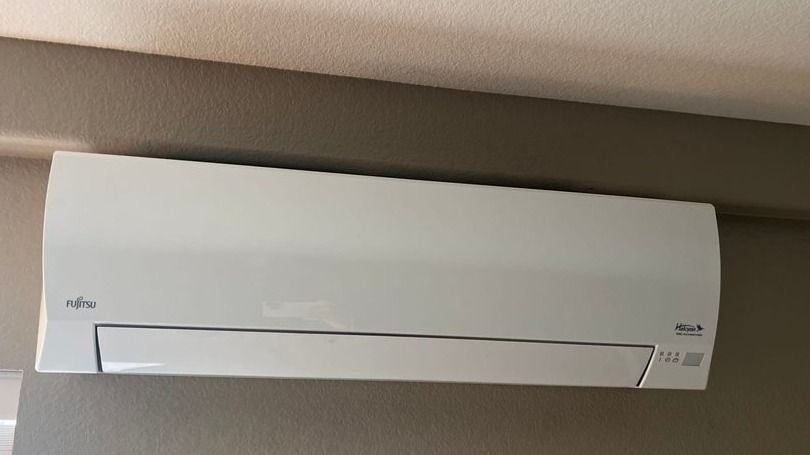
Mini-Split Services for Denver-Area Homes
Our ductless heating and cooling services include:
-
Single-zone and multi-zone mini-split installation
-
Mini-split repair and system diagnostics
-
Ductless heat pump replacement
-
Seasonal mini-split maintenance
-
Indoor and outdoor unit cleaning
-
Refrigerant and condensate-drain troubleshooting
-
Performance evaluations for rooms that remain uncomfortable
-
System design for additions, garages, workshops, and older homes
A mini-split is not simply a wall-mounted appliance. Correct equipment selection, load calculations, line-set design, condensate management, electrical work, and outdoor-unit placement all influence comfort and system life.
When Should a Denver Homeowner Consider a Mini-Split?
Mini-splits are most valuable when they solve a defined comfort or building-design problem. They should not automatically be treated as a substitute for every central system.
Older Denver Homes Without Practical Ductwork
Many older homes in Denver neighborhoods were constructed before central air conditioning became standard. Some rely on boilers, radiators, or baseboard heat and have no existing ducts. Others have tight framing, finished basements, or historic features that make installing full-size ductwork invasive and expensive.
A ductless mini-split can add cooling and, depending on the equipment, supplemental or primary heating without opening large sections of walls and ceilings. Indoor-unit placement still matters. We evaluate how air will move through the space rather than assuming one unit will condition several separated rooms.
Homes with hydronic heat may also benefit from coordinating ductless cooling with existing boiler service instead of replacing a heating system that continues to perform well.
Additions and Converted Spaces
Room additions, enclosed porches, garage conversions, and detached offices often sit beyond the reach of the original HVAC system. Extending existing ducts may reduce airflow elsewhere in the house or add more load than the central equipment was designed to handle.
A dedicated mini-split allows the new area to operate as its own comfort zone. This can be particularly useful for spaces used on a different schedule from the rest of the home, such as a workshop, guest suite, studio, or home office.
Hot Upper Floors and Rooms With Heavy Sun Exposure
Denver’s strong sun and dry climate can create significant heat gain through roofs and west-facing windows. Finished attics, upstairs bedrooms, lofts, and rooms over garages may become uncomfortable even when the central air conditioner is operating.
Before adding equipment, we determine whether the problem is caused by inadequate insulation, air leakage, duct restrictions, poor return airflow, or insufficient system capacity. When the rest of the home is comfortable and the issue is isolated, a mini-split may provide more precise control than replacing the entire central air-conditioning system.
Rooms Poorly Served by Existing Ductwork
Long duct runs, undersized branches, poorly located registers, and limited return airflow can leave one part of a home consistently warmer or colder than the rest. A mini-split can solve some of these problems, but it should not be used to conceal a repairable duct or airflow defect.
Our technicians first assess the central system and the affected room. If improving the existing airflow is practical, that may be the better solution. If the room has a unique load or cannot be served effectively by the duct system, independent ductless heating and cooling may make sense.
Targeted Electrification
A cold-climate mini-split is a type of air-source heat pump. It can provide electric heating as well as cooling, making it useful for homeowners who want to electrify a particular space without immediately replacing every piece of heating equipment.
For whole-home electrification, equipment selection becomes more complex. Heating capacity at low outdoor temperatures, electrical capacity, room layout, and backup heat all need to be considered. A ducted heat pump system may be a better fit when usable ductwork already reaches the entire house.
Spaces That Are Used Intermittently
Detached garages, workshops, exercise rooms, guest areas, and home offices may not need to be conditioned continuously. A mini-split provides independent temperature control, allowing the space to be heated or cooled when it is in use.
The structure still needs appropriate insulation, weather sealing, and freeze protection. Adding a mini-split to an unfinished or poorly insulated space can result in disappointing performance and unnecessary energy use.
When a Mini-Split May Not Be the Best Choice
Ductless equipment is versatile, but it is not the right answer for every home. Another HVAC configuration may be preferable when:
-
Existing ductwork already serves the house evenly
-
Numerous small or closed-off rooms would require many indoor units
-
There is no practical route for refrigerant lines or condensate drainage
-
The available electrical service cannot support the proposed system without upgrades
-
The homeowner wants centralized filtration throughout the house
-
The selected equipment cannot maintain adequate heating capacity at Denver’s winter design conditions
-
A central system can address the same comfort problem more simply
Multi-zone systems also require thoughtful design. Connecting several indoor units to one outdoor unit does not guarantee that every zone will perform well. The combined load, minimum operating capacity, simultaneous demand, and manufacturer limitations all need to be considered.
Mini-Split Installation Designed for Denver Conditions
A dependable mini-split installation begins with sizing the system for the actual space. Square footage alone is not enough. We consider insulation, windows, ceiling height, room orientation, air leakage, occupancy, solar exposure, and whether the unit will provide cooling, heating, or both.
Denver’s elevation also matters. Equipment performance and installation requirements must be evaluated using manufacturer data applicable to local conditions. For systems expected to heat during winter, we review how much capacity the equipment retains as outdoor temperatures fall rather than relying only on its nominal rating.
Installation planning includes:
-
Selecting appropriately sized indoor and outdoor equipment
-
Comparing single-zone and multi-zone configurations
-
Locating indoor units for effective air distribution
-
Planning accessible, protected refrigerant-line routes
-
Providing reliable condensate drainage
-
Confirming electrical capacity and disconnect requirements
-
Establishing proper outdoor-unit clearances
-
Commissioning and testing each operating mode
When new circuitry or electrical upgrades are required, the work can be coordinated with our residential electrical services.
Outdoor Unit Placement for Snow, Ice, and Hail
Outdoor-unit placement has a direct effect on winter reliability. A ductless heat pump must be installed where it can maintain airflow and remain clear of accumulating or drifting snow. The base should be elevated appropriately, and defrost water must be able to drain without repeatedly freezing beneath the unit.
Roof runoff, dryer exhaust, narrow side yards, and prevailing winds can also affect placement. Protective measures may be appropriate in hail-prone areas, but covers and barriers cannot restrict the airflow the system needs to reject or absorb heat.
These details are particularly important when a mini-split will serve as a primary heat source rather than an occasional supplement.
Mini-Split Repair
A ductless system may continue operating even when its capacity or efficiency has declined. Warning signs that warrant professional mini-split repair include:
-
Weak or inconsistent airflow
-
Inadequate heating or cooling
-
Ice on the indoor or outdoor coil
-
Water leaking from an indoor unit
-
Unusual noises or odors
-
Frequent cycling
-
Error codes or warning lights
-
One zone failing while others continue to operate
-
Unexpected increases in electricity use
Mini-split problems can originate in the indoor unit, outdoor unit, controls, refrigerant circuit, condensate system, or electrical supply. Our technicians diagnose the cause before recommending a repair. Simply adding refrigerant without locating a leak does not correct the underlying problem.
Mini-Split Replacement
Replacement may be appropriate when a system has a major component failure, uses obsolete technology, requires repeated repairs, or no longer matches the way the space is used. It may also make sense when an older unit provides cooling but lacks the cold-weather heating performance the homeowner now needs.
Before recommending mini-split replacement, we assess the existing system’s condition, repair history, capacity, efficiency, installation quality, and availability of compatible parts. We also reconsider the original design. Replacing an improperly sized unit with equipment of the same capacity can reproduce the same comfort problems.
Mini-Split Maintenance
Mini-splits move air directly through compact indoor coils and filters. Dust accumulation can restrict airflow, reduce heat transfer, and contribute to odors or moisture problems. Because the equipment may operate during both summer and winter, it can accumulate more annual runtime than a cooling-only system.
Professional mini-split maintenance may include:
-
Cleaning and inspecting indoor filters and coils
-
Checking the blower wheel and airflow
-
Inspecting the outdoor coil
-
Testing heating, cooling, and defrost operation
-
Checking electrical connections and controls
-
Inspecting refrigerant lines and insulation
-
Clearing and testing condensate drainage
-
Confirming communication between indoor and outdoor units
-
Reviewing system performance for each zone
Homeowners should also clean reusable filters according to the manufacturer’s instructions. Deeper coil, blower, electrical, and refrigerant work should be performed by a qualified technician. Regular care can be incorporated into a broader HVAC maintenance plan.
Mini-Splits and Indoor Air Quality
Most mini-splits recirculate air within the room they serve. Their washable filters help protect internal components and may capture larger airborne particles, but they generally do not provide the same filtration options as a central ducted system.
During wildfire-smoke events or periods of elevated outdoor pollution, a standard mini-split filter should not be treated as a complete air-cleaning solution. Homes with allergy, smoke, particulate, or ventilation concerns may need separate indoor air quality improvements selected for those specific conditions.
Professional Solutions That Put You First
We provide reliable, people-first service designed to meet your unique needs with care and professionalism. Our team is committed to delivering consistent results, clear communication, and dependable support you can trust. From start to finish, we focus on quality, responsiveness, and building lasting relationships through service delivered with heart.Denver Mini-Split Service Based on the Home, Not a Template
The value of a ductless system depends on where it is installed, what problem it is expected to solve, and how well the equipment matches Denver’s climate. Heart Heating, Cooling, Plumbing & Electric provides mini-split installation, repair, replacement, and maintenance based on the actual building and comfort requirements.
If you are considering a mini-split or need service for an existing system, schedule an evaluation with our Metro Denver HVAC team. We will inspect the space, explain the available options, and recommend a solution built around reliable year-round performance.

Special Offer
$39
HVAC Precision Tune-UpFull system inspection, safety check, and efficiency review.
Offer cannot be combined with any other promotions, discounts, or special offers. Terms and conditions may apply.
Expires: November 30, 2026
Expires: November 30, 2026
Send Us A Message
Frequently Asked Questions
Reliable, High-Quality Service You Deserve
what people are saying
Quality Service Backed by Real Reviews
Nariman Movaffagh
3 days ago

James was amazing and answered all my questions.
Hank Prichard
4 days ago
Very knowledgeable very professional. All my questions were answered Michael and David went above and beyond for me. Will definitely recommend them and Heart
Dino Rojas
4 days ago
Getting the pipe problem fixed
shahla hashemi
5 days ago
I’ll be regular costumer now on. Excellent experience with heart heating, ac, and electric.
Merlynn Bender
1 week ago
5 stars for Jeremiah Stephens on my sewer cleaning. Right guy for that job.
Eddie Huynh
1 week ago
Eli was great. He was fair and honest and made me feel comfortable. He explained everything really well and treated me with respect. Great employee and really honest
Susie Hranicka
1 week ago
Chris did a great job and was so kind, knowledgeable and professional! We have used Heart for hot water heater replacement, kitchen faucet replacement and other plumbing needs! It is a great company to do business with…we are always satisfied!!
Merlynn Bender
1 week ago
Jeremiah did great. On time, the right guy for this job. Thank you.
Dianne Montoya
1 week ago
We purchased our furnace from Heart a couple of years ago. I had regular maintenance done and they went above and beyond. Highly recommend.
Zachary Blackburn
1 week ago
We love being members of Heart. Today, Morgan came out for a fix on our leaky sink and also helped with a cloggy tub. He was extremely knowledgeable and efficient, and I'd have Morgan back out to our house any time!
E Beuler
1 week ago
Larry was as excellent as all their other technicians. He explained what he was connecting electrically. All personnel are terrific! Won’t ever think about using anyone else in the future. I feel very valued as a customer too!
Trenton Barrance serviced my furnace this year and I was equally impressed with his work and communication with me !
Trenton Barrance serviced my furnace this year and I was equally impressed with his work and communication with me !
Bernadette Dixon
1 week ago
Eli and Jeremiah,were AMAZING did such a great job I will definitely share my experience with them to all that are looking for plumbing issues.
Gordon Reichal
2 weeks ago
Professional service. A pleasure to deal with their focus on integrity and quality service.
Maury Kroopnick
2 weeks ago
Knowledgeable, educational, helpful,
quentin Lewis
2 weeks ago
Nick was methodical. Didn't rush into a diagnosis that probably would've cost more. He was awesome!!
Laura Bernstein
2 weeks ago
The team was great! I reached out when my furnace wouldn’t start and heard back right away. They got Joel out to my house within an hour. He took apart the furnace and confirmed that unfortunately it was toast, but got me set up with a quote for what I really wanted, which was a whole new Heat pump system. Victor and Joel got the old furnace out and Nick and the install team got the new one in place with the heat pump. It was a long, late day for the team, but I finally am heating my house again.
Carla Beckman
2 weeks ago
Thanks for sending Joel Ramirez to get my furnace running. Joel is professional, competent, pleasant, efficient.
James Rush
2 weeks ago
Eli did a wonderful job that was one thing after another. He was professional and courteous and did his job well.
Get In Touch With Heart Heating, Cooling, Plumbing, Electric
Full Service Home Comfort
Heating, cooling, plumbing, and electrical services come together to support comfort, safety, and reliability throughout your home. From routine care to repairs and system upgrades, each service is handled with attention to detail and a focus on long term performance. Trusted solutions help keep everything running smoothly through every season.