View Our 2025 Lennox Feel the Love™ Program Award Winner


Why Electrical Panels in Older Denver Homes Struggle With Modern Power Demands

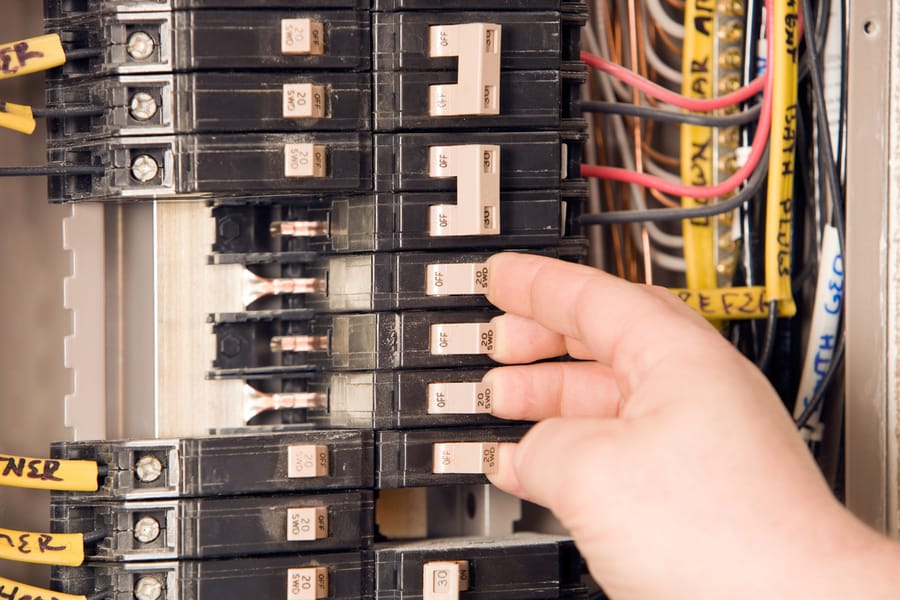
In the historic neighborhoods of Denver, from the stately Victorians of Capitol Hill to the charming bungalows in Washington Park, there is a quiet struggle happening behind the walls. While these homes are celebrated for their craftsmanship and character, their electrical systems are often relics of a different era. Today’s households consume electricity in a way that was unimaginable when these structures were first wired, creating a mismatch that impacts both safety and convenience.
At Heart HCPE, we specialize in bridging the gap between historic charm and modern utility. We understand that an electrical panel isn’t just a box in the basement; it is the vital organ that keeps your home running. This guide explores why older Denver panels struggle with today’s technology and how you can ensure your classic home remains powered for the 21st century.
The Capacity Gap: From 60 Amps to 200 Amps
The most fundamental issue in older Denver homes is the sheer volume of power available. Electrical service is measured in amps, and the standard has shifted dramatically over the last century.
The Mid-Century Standard
If your home was built between the 1920s and the 1950s, it may have originally been installed with a 60-amp service. At the time, this was plenty of power for a few light bulbs, a radio, and perhaps a refrigerator.
-
The Evolution of Demand: By the 1970s, as air conditioning and electric dryers became common, the standard moved to 100 amps.
-
The Modern Standard: Today, with home offices, high-efficiency HVAC systems, electric vehicle chargers, and multiple smart devices in every room, the industry standard for a single-family home is 200 amps.
-
The Load Limit: When you try to run a modern life on a 60 or 100-amp panel, you are constantly pushing the system to its absolute limit. This leads to the frequent breaker trips that many Denver residents have come to accept as a normal part of living in an older home.
Hidden Dangers: Obsolete and Recalled Panels
In some cases, the problem isn’t just capacity; it is the brand of the panel itself. Several manufacturers that were popular during Denver’s mid-century building boom have since been identified as significant fire hazards.
The Federal Pacific Electric (FPE) Risk
Commonly installed between 1950 and 1980, FPE panels are notorious for a design flaw in their Stab-Lok breakers.
-
The Failure to Trip: A breaker’s only job is to shut off power when it senses an overload or a short circuit. In FPE panels, the breakers often fail to trip, allowing wires to overheat and potentially start a fire inside your walls.
-
The Insurance Barrier: Many insurance companies now refuse to cover homes with FPE panels or will charge significantly higher premiums until the system is replaced.
The Zinsco and Sylvania Issue
Popular in the 1970s, Zinsco panels have a unique failure point where the breakers can melt and fuse to the main bus bar.
-
Permanent Power: When a breaker melts to the bus bar, it can no longer be turned off, even if a person or an appliance is being shocked.
-
Arcing Hazards: These panels are prone to arcing, a condition where electricity jumps across a gap, which produces intense heat and is a leading cause of electrical fires in older residential districts.
The Environmental Stress of the Mile High City
Denver’s unique environment also plays a role in the degradation of older electrical components. Our climate is dry, but our seasons are intense.
Rapid Thermal Cycling
Denver is famous for its massive temperature swings. It is common for the temperature to drop forty degrees in a single afternoon.
-
Expansion and Contraction: Metals inside your electrical panel expand and contract as the temperature changes. Over decades of Colorado winters and summers, this process can loosen the screws that hold wires in place.
-
Loose Connections: A loose wire creates resistance. Resistance creates heat. This thermal stress is why older panels often feel warm to the touch or make a subtle buzzing sound during a cold snap when the furnace is running at full capacity.
High Altitude and Thin Air
At 5,280 feet, the air is less dense than at sea level. Thin air is a less effective insulator, which can slightly increase the stress on older, brittle wire insulation. In historic homes where the wiring might still be knob-and-tube or early cloth-covered cable, the dry mountain air can make this insulation incredibly fragile, leading to cracks and exposed copper.
Signs Your Denver Panel is Overburdened
If you are living in a historic home, you don’t have to wait for a fire to know your system is struggling. Your home provides several early warning signs that a panel upgrade is overdue.
-
Flickering Lights: Do your lights dim slightly when the microwave starts or the refrigerator kicks on? This indicates that your panel is struggling to distribute voltage evenly across its circuits.
-
The Extension Cord Maze: If you find yourself relying on power strips and extension cords because your rooms only have one or two outlets, your system is likely being asked to do more than it was designed for.
-
Warm Switch Plates: Touch your outlets and switches. If they feel warm to the touch, it is a sign that the wiring is being asked to carry more current than it can safely handle.
-
The “Penny” or Oversized Fuse: In very old homes that still have fuse boxes, it is common to find oversized fuses installed to prevent them from blowing. This is a major hazard that bypasses the system’s only safety feature.
Bridging the Gap to Modern Comfort
Living in an older Denver home is a privilege that comes with the responsibility of stewardship. While original hardwood floors and stained glass windows are worth preserving, an original 60-amp electrical panel is a liability. Upgrading your electrical panel to a modern 200-amp system does more than just stop your breakers from tripping; it provides the infrastructure needed for the next fifty years of your home’s life.
At Heart HCPE, we believe in protecting the heart of your home. We are locally owned and operated, and we understand the unique electrical codes and architectural challenges of Denver’s historic neighborhoods. We don’t believe in quick fixes for old panels; we believe in comprehensive solutions that provide total peace of mind for your family.
Empower Your Home with Heart HCPE
Is your older home struggling to keep up with your modern lifestyle? Do not let an outdated electrical panel limit your home’s potential. The experts at Heart HCPE are ready to inspect your panel, evaluate your home’s wiring, and provide a clear, upfront plan to bring your power into the modern era.
Contact us today to schedule your assessment and find out why Denver homeowners trust Heart to keep their historic homes safe and fully powered.
Recent Posts
The Most Common Water Heater Problems in Denver Homes
The Most Common Furnace Repairs in Denver During Winter
Send Us A Message
Get In Touch With Heart Heating, Cooling, Plumbing, Electric
Full Service Home Comfort
Heating, cooling, plumbing, and electrical services come together to support comfort, safety, and reliability throughout your home. From routine care to repairs and system upgrades, each service is handled with attention to detail and a focus on long term performance. Trusted solutions help keep everything running smoothly through every season.