View Our 2025 Lennox Feel the Love™ Program Award Winner



In the Mile High City, winter isn’t just a season; it is a test of your home’s infrastructure. As the snow piles up in LoDo and the temperatures drop across the Front Range, your furnace becomes the most hardworking member of your household. However, the unique combination of Denver’s high altitude, dry air, and rapid temperature swings can push even the most robust heating systems to their breaking point.
At Heart HCPE, we have seen it all. Our technicians spend their winters navigating the specific challenges that Colorado weather places on HVAC units. Understanding the most common furnace repairs in Denver can help you spot trouble early and avoid a mid-blizzard breakdown. Here is a look at the usual suspects that keep us busy during a Denver winter.
Clogged Air Filters and Airflow Restrictions
By far the most common cause of furnace failure in Denver is also the most preventable. Because our winters are long and dusty, air filters become saturated much faster than in other parts of the country.
-
The Denver Dust Factor: Our dry climate means more particulate matter is circulating through your home.
-
The Safety Shutdown: When a filter is clogged, the furnace cannot pull enough air through the system to stay cool. This leads to overheating, causing the limit switch to trip and shut the furnace down for safety.
-
The Heart Solution: We recommend checking your filter every 30 days during the winter. A simple, low-cost filter change can prevent a $300 service call for an overheated motor.
Malfunctioning Flame Sensors
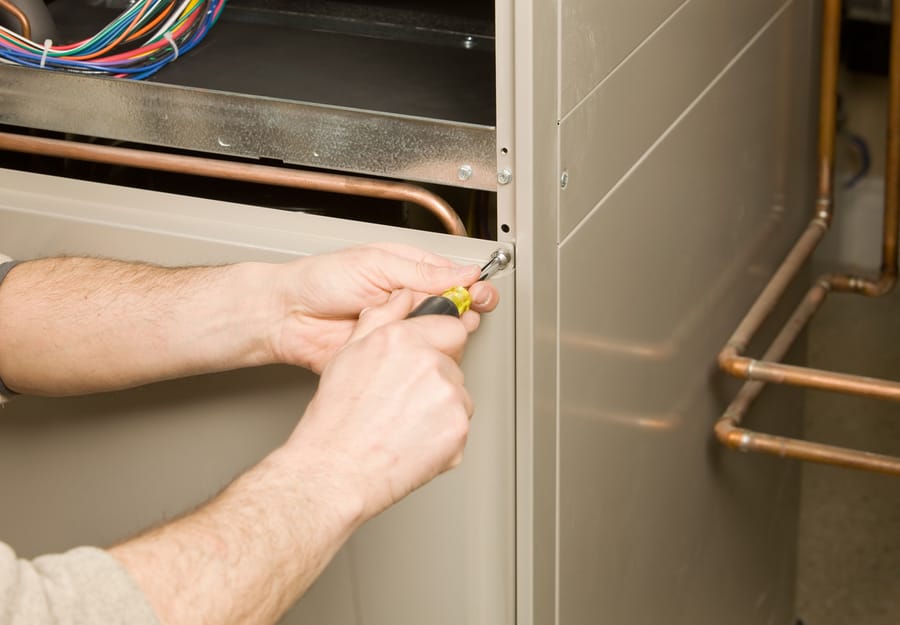
Denver’s dry air and the soot from natural gas combustion can create a thin layer of carbon or oxidation on your furnace’s flame sensor. This small, rod-shaped component is a vital safety feature.
-
The Problem: If the sensor is dirty, it cannot see the flame once the burners light. For safety, the furnace will shut off the gas almost immediately, leading to a short cycling effect where the system starts and stops repeatedly.
-
The Repair: Our technicians can usually clean the sensor to restore function, but if the sensor is cracked or significantly aged, a quick replacement is necessary to keep the system running reliably.
Ignition System and Pilot Light Failures
Whether you have an older furnace with a standing pilot light or a modern unit with electronic ignition, the spark is often a point of failure during a cold snap.
-
Electronic Ignitors: These function like the filament in a lightbulb. Over years of rapid cycling in the Colorado cold, the metal becomes brittle and eventually snaps.
-
Pilot Light Drafts: In some older Denver homes, high winds during a winter storm can actually blow out a standing pilot light through the exhaust vent.
-
The Heart Solution: If your furnace is blowing cold air or refusing to start, the ignition system is often the culprit. We keep a wide variety of ignitors on our trucks to get your heat back on the same day.
Blower Motor and Belt Wear
The blower motor is the lungs of your heating system. In a Denver winter, it may run for 12 to 18 hours a day.
-
Bearing Failure: If you hear a high-pitched squealing or a loud grinding noise, it is likely the bearings in the motor or the inducer fan starting to fail.
-
Belt Issues: In older belt-driven systems, the cold can make rubber belts brittle, leading to slipping or snapping.
-
The Warning Sign: If you notice that some rooms in your house are significantly colder than others, your blower motor may be struggling to push air through the ductwork.
Thermostat Miscommunication
Sometimes the problem isn’t the furnace at all, but the brain telling it what to do. Denver’s rapid temperature shifts can be confusing for older thermostats.
-
Battery Failure: Many no-heat calls are solved by simply replacing two AA batteries in the thermostat.
-
Calibration Issues: If your home feels colder than the number on the screen, the thermostat may be out of calibration or placed too close to a drafty window.
-
Smart Upgrades: At Heart, we often recommend upgrading to a smart thermostat. These units are better at managing the recovery time needed to warm up a Denver home after a cold night.
The Cost of Altitude: Why Denver is Different
At 5,280 feet, there is less oxygen available for combustion. A furnace that works perfectly in Kansas City might struggle in Denver if it isn’t properly derated.
Combustion Inefficiency
If your furnace isn’t calibrated for high altitude, it may burn rich, leading to excessive soot buildup on the heat exchanger. This not only lowers efficiency but can lead to the most dangerous furnace repair of all: a cracked heat exchanger.
Pressure Switch Failures
High-altitude air is less dense, which can sometimes fool the pressure switches that ensure your exhaust is venting correctly. If the air is too thin and the system hasn’t been adjusted, the furnace may refuse to light because it thinks the vent is blocked.
Stay Warm with HCPE
Denver winters are relentless, and your furnace is your home’s primary line of defense. While many common repairs are simple fixes, they almost always happen at the most inconvenient times. By understanding the signs of a struggling flame sensor or a failing blower motor, you can take action before a minor noise becomes a major emergency.
At Heart HCPE, we believe in a different kind of service. We don’t just want to fix your furnace; we want to be the partner you trust to keep your family safe and warm through every Colorado winter.
Is your furnace making strange noises or struggling to keep up with the snow? Do not wait for a total system failure. The experts at Heart HCPE are ready to identify the exact cause of the problem and provide you with upfront pricing and personalized solutions.
Contact us today to schedule your service!
Get In Touch With Heart Heating, Cooling, Plumbing, Electric
Full Service Home Comfort
Heating, cooling, plumbing, and electrical services come together to support comfort, safety, and reliability throughout your home. From routine care to repairs and system upgrades, each service is handled with attention to detail and a focus on long term performance. Trusted solutions help keep everything running smoothly through every season.