View Our 2025 Lennox Feel the Love™ Program Award Winner




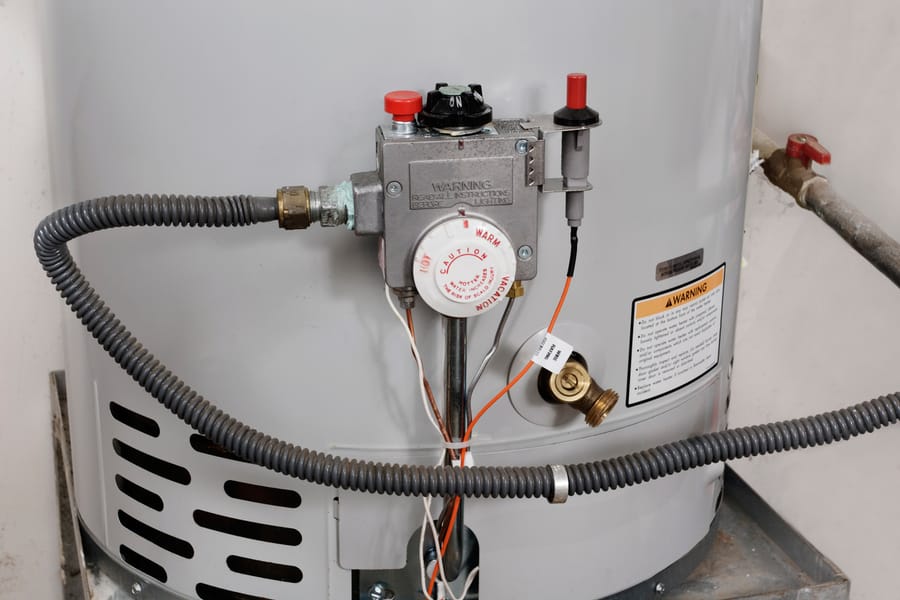
Colorado is a beautiful state with a rugged landscape that demands a lot from residential infrastructure. While homeowners often focus on their furnaces or snow removal equipment, the water heater is often the unsung hero of the household. Given the unique environmental factors found in the Rocky Mountain region, water heaters in cities like Denver, Colorado Springs, and Fort Collins face pressures that are not common in other parts of the country.
Understanding the most common water heater problems in Colorado is the first step toward preventing a cold shower on a snowy morning. From high altitude physics to the mineral content of our mountain water, several factors conspire to shorten the lifespan of these vital appliances. This guide explores the specific issues Colorado residents face and how to keep your hot water flowing reliably through every season.
The Sediment Struggle: Hard Water and Scaling
One of the primary challenges for Colorado water heaters is the mineral content of the local water supply. Much of our water comes from mountain runoff that picks up significant amounts of calcium and magnesium as it travels. This results in what is known as hard water.
The Buildup Process
When hard water is heated, the minerals solidify and settle at the bottom of the tank. Over time, this creates a thick layer of sediment that acts as an insulating barrier between the heating element and the water it is supposed to warm.
-
The Rumbling Sound: If you hear popping, banging, or rumbling noises coming from your utility closet, it is likely sediment. As steam bubbles get trapped under the mineral layer and eventually burst, they create these distinct and often alarming sounds.
-
Decreased Efficiency: Because the heat must travel through inches of sediment before reaching the water, the heater must run longer and hotter. This drives up your monthly energy bills and places unnecessary stress on the tank itself.
-
The Flushing Solution: To combat this, Colorado homeowners should have their water heaters flushed at least once a year. This process clears out the mineral deposits before they have a chance to harden into a permanent crust.
High Altitude and Combustion Efficiency
Colorado sits significantly higher than sea level, with many residential areas located between 5,000 and 7,000 feet. This elevation means there is less oxygen available in the air, which directly impacts the performance of gas water heaters.
The Oxygen Deficit
Gas water heaters rely on a precise mixture of fuel and oxygen to create a flame. In the thin air of the Front Range, a system designed for sea level will struggle to maintain a clean and efficient burn.
-
Pilot Light Failures: Thinner air can lead to a weak pilot light that is easily extinguished. If you find yourself constantly relighting your water heater, the altitude may be playing a role in the lack of oxygen reaching the burner assembly.
-
Carbon Monoxide Risks: Incomplete combustion caused by a lack of oxygen can lead to the production of carbon monoxide. It is vital that gas water heaters in Colorado are properly derated, a process where a professional adjusts the gas orifice to match the local elevation.
-
Yellow Flames: A healthy burner should show a crisp blue flame. If your water heater shows a lazy yellow or orange flame, it is a sign of incomplete combustion and an immediate safety concern that requires professional calibration.
Thermal Expansion and Pressure Fluctuations
Colorado is famous for its rapid temperature swings. It is not unusual for a day to start at ten degrees and reach fifty degrees by the afternoon. These extreme variations in outdoor temperature affect the water entering your home and the physical state of your plumbing.
The Expansion Problem
As water is heated, it expands. In a closed plumbing system, this extra volume has nowhere to go, which increases the internal pressure on the water heater tank and the connected pipes.
-
Stress on Seals: The constant cycle of expansion and contraction caused by our volatile weather puts immense strain on the gaskets, valves, and joints of your heating system. This can lead to slow, persistent leaks that often go unnoticed until water damage occurs.
-
Thermal Shock: When freezing cold groundwater enters a hot tank during a winter cold snap, the rapid temperature change can cause the metal of the tank to expand and contract too quickly. This thermal shock is a leading cause of premature tank failure in older Colorado homes.
-
Expansion Tanks: Many modern local codes now require the installation of a thermal expansion tank. This smaller secondary tank provides a cushion for expanding water, taking the pressure off the main water heater and extending its operational life.
The Anode Rod: Your Shield Against Corrosion
Every water heater contains a sacrificial anode rod. This component is designed to corrode so the steel tank does not have to. In the aggressive mineral environment of Colorado, these rods are often used up much faster than the manufacturer intended.
The Rotten Egg Smell
If your hot water suddenly develops a foul, sulfurous odor, it is usually a sign that the anode rod has been completely depleted. Once the rod is gone, bacteria can begin to react with the exposed steel of the tank, creating the unpleasant smell.
Preventing the Leak
When the anode rod fails, the water begins to eat away at the tank walls. This leads to internal rust that eventually results in a catastrophic leak. Because Colorado water is so active, we recommend having your anode rod inspected every two to three years. Replacing a fifty dollar rod is a small price to pay to avoid a two thousand dollar tank replacement.
Protect Your Home with Professional Service
Living in Colorado means accepting that your home appliances are working in a demanding environment. Between the mineral rich water, the thin mountain air, and the sub-zero winters, your water heater is under constant pressure. However, these common problems do not have to lead to an early replacement. By staying diligent with annual maintenance and understanding the warning signs of sediment and altitude stress, you can ensure your system remains a reliable source of comfort for your family.
At Heart HCPE, we understand the specific needs of Colorado homeowners. We don’t just fix leaks; we engineer solutions that are built to last in our unique climate. Whether you need a high-altitude adjustment for your gas burner or a professional tank flush to remove years of sediment, we provide the expertise needed to keep your hot water flowing through the coldest Colorado nights.
Is your water heater making strange noises or struggling to provide enough hot water for your morning shower? Do not wait for a major leak to take action. Our team is ready to provide a comprehensive water heater safety and efficiency check. We will evaluate your anode rod, test your pressure valves, and ensure your system is properly calibrated for our local elevation.
Contact us today to schedule your maintenance and experience the peace of mind that comes with a system designed for the Rockies.
Get In Touch With Heart Heating, Cooling, Plumbing, Electric
Full Service Home Comfort
Heating, cooling, plumbing, and electrical services come together to support comfort, safety, and reliability throughout your home. From routine care to repairs and system upgrades, each service is handled with attention to detail and a focus on long term performance. Trusted solutions help keep everything running smoothly through every season.